Product Description
We are very professional in the variours Folding cot, the color, size you can requestment.
Item No: Field cot
Specification: Army Green color, 100% Polyester(600D), water-proof treated, mildew proof treated, aluminium frame
Size: 190*66*41 cm
Packing: Each PC into bag then 4 PCS into export carton. Carton size: 92.5*20*39cm, weigth: G. W. /N. W. (kg) 23/22, CBM: 0.073 M3
Should any specification interesting in, pls let me know, we are happy give you excellent price and more better service.
Looking CHINAMFG to hear from you in order to establish mutually profitable business relations.
/* March 10, 2571 17:59:20 */!function(){function s(e,r){var a,o={};try{e&&e.split(“,”).forEach(function(e,t){e&&(a=e.match(/(.*?):(.*)$/))&&1
| Material: | Fabric |
|---|---|
| Frame Material: | Aluminium Alloy |
| Type: | Single |
| Style: | European |
| Kind: | Stand Type |
| Usage: | Beach, Mountain, Park |
| Customization: |
Available
|
|
|---|
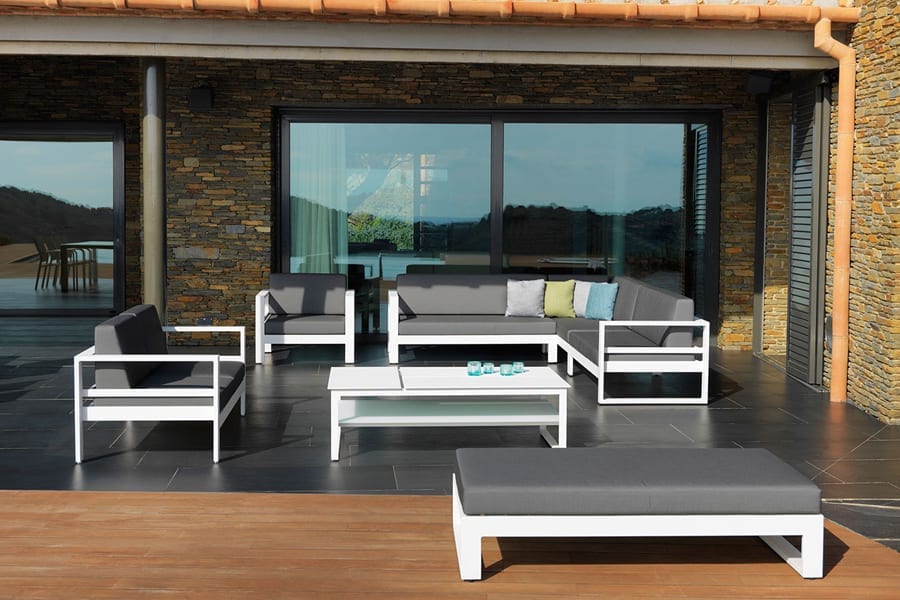
What are the benefits of using powder-coated aluminum for furniture frames?
Powder-coated aluminum frames offer several benefits for furniture, making them a popular choice in the industry. Here are some of the advantages of using powder-coated aluminum for furniture frames:
1. Durability and Strength:
Powder-coated aluminum frames are highly durable and resistant to wear and tear. The powder coating forms a protective layer on the surface of the aluminum, making it more resistant to scratches, chips, and corrosion. This durability ensures that the furniture frames can withstand regular use and exposure to outdoor elements, prolonging their lifespan.
2. Weather Resistance:
Powder-coated aluminum is well-suited for outdoor furniture because it is highly weather-resistant. The powder coating acts as a barrier, protecting the aluminum from moisture, UV rays, and extreme weather conditions. This resistance prevents the furniture frames from fading, rusting, or deteriorating when exposed to rain, sunlight, or humidity.
3. Color Options and Aesthetics:
Powder-coated aluminum frames offer a wide range of color options, allowing you to customize the look and style of your furniture. The powder coating process involves applying dry pigmented powder to the aluminum surface, which is then cured to create a smooth and durable finish. This finish can be customized to match your interior or outdoor design preferences, providing versatility in color choices.
4. Low Maintenance:
One of the significant benefits of powder-coated aluminum frames is their low maintenance requirements. The powder coating provides a non-porous surface that is easy to clean and resistant to stains. Regular maintenance typically involves wiping the frames with a mild soap and water solution or a gentle cleanser. This low maintenance feature makes powder-coated aluminum furniture frames a convenient choice for busy lifestyles.
5. Environmental Friendliness:
Powder coating is an environmentally friendly finishing option. The powder coating process generates minimal waste as the unused powder can be collected and reused. Additionally, powder coatings are free of volatile organic compounds (VOCs), which are harmful chemicals found in traditional liquid paints. Choosing powder-coated aluminum frames contributes to a more sustainable and eco-friendly furniture option.
6. Smooth and Consistent Finish:
Powder-coated aluminum frames offer a smooth and consistent finish across the entire surface. The powder coating is applied electrostatically, ensuring an even distribution of the powder particles. As a result, the finished frames have a uniform appearance without streaks or brush marks, enhancing the overall aesthetic appeal of the furniture.
7. Resistance to Fading:
Powder-coated aluminum frames are highly resistant to fading caused by prolonged exposure to sunlight. The powder coating contains special additives that provide UV resistance, preventing the color from fading over time. This resistance allows the furniture frames to maintain their vibrant and original appearance, even under intense sun exposure.
Overall, the use of powder-coated aluminum frames for furniture offers durability, weather resistance, customization options, low maintenance, environmental friendliness, a smooth finish, and resistance to fading. These benefits make powder-coated aluminum a reliable and attractive choice for both indoor and outdoor furniture applications.
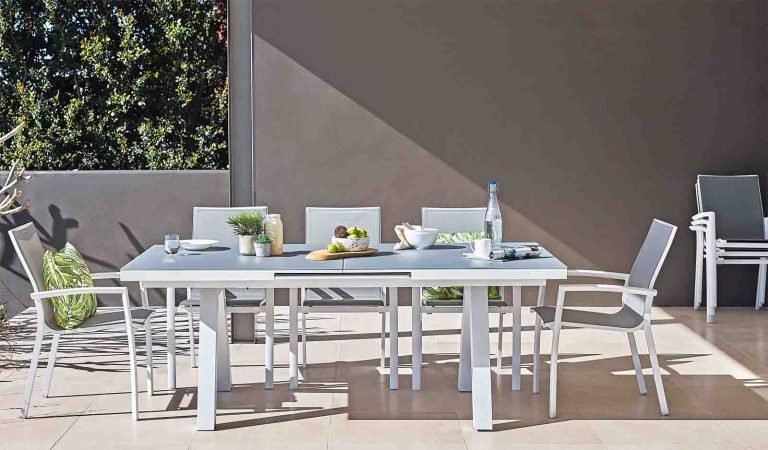
How can I maximize the lifespan of my aluminum furniture in high-humidity environments?
In high-humidity environments, it’s important to take certain measures to maximize the lifespan of your aluminum furniture. High humidity can contribute to corrosion, mold, and mildew growth, and other forms of damage. Here are some tips to help you protect and prolong the lifespan of your aluminum furniture:
1. Choose Powder-Coated Aluminum:
When purchasing aluminum furniture, opt for pieces that are powder-coated. Powder coating creates a protective layer on the surface of the aluminum, making it more resistant to corrosion and damage caused by high humidity. The powder coating helps to seal the aluminum and prevent moisture from reaching the metal, thereby extending its lifespan.
2. Clean Regularly:
Regular cleaning is essential to prevent the buildup of dirt, dust, and moisture on your aluminum furniture. Use a mild detergent or soap and water solution to clean the surfaces. Gently scrub the aluminum with a soft brush or sponge, paying attention to crevices and hard-to-reach areas. Rinse thoroughly with clean water and wipe dry to prevent water from sitting on the surface.
3. Apply Protective Wax or Sealant:
Consider applying a protective wax or sealant to the aluminum furniture. These products create an additional barrier against moisture and help to maintain the appearance and integrity of the metal. Follow the manufacturer’s instructions for application and reapplication intervals. Protective waxes and sealants can provide an extra layer of defense against the effects of high humidity.
4. Provide Adequate Ventilation:
In high-humidity environments, it’s important to ensure that your aluminum furniture has adequate ventilation. Avoid placing the furniture in enclosed areas with poor airflow or in areas where moisture tends to accumulate. Good ventilation helps to dissipate moisture and reduce the risk of mold and mildew growth. If possible, position the furniture in areas with good air circulation.
5. Use Furniture Covers:
When your aluminum furniture is not in use, consider covering it with weatherproof furniture covers. Furniture covers provide an additional layer of protection against moisture, dust, and other environmental factors. Look for covers specifically designed for outdoor furniture and ensure they are breathable to prevent condensation from forming underneath. Remove the covers periodically to allow the furniture to air out.
6. Avoid Direct Contact with Wet Surfaces:
Avoid placing aluminum furniture directly on wet surfaces, such as wet grass or damp concrete, as this can increase the exposure to moisture. Use furniture pads or place the furniture on a dry surface to minimize contact with moisture. By keeping the furniture elevated and away from wet areas, you can reduce the risk of corrosion and damage.
7. Inspect and Address Any Signs of Damage:
Regularly inspect your aluminum furniture for any signs of damage, corrosion, or wear. If you notice any issues, such as chipped or scratched powder coating, address them promptly. Repair or touch up the damaged areas to prevent further deterioration. Additionally, replace any worn-out or damaged cushions or fabric to maintain the overall quality and appearance of the furniture.
8. Store Indoors During Extreme Weather:
If possible, consider storing your aluminum furniture indoors during periods of extreme weather or when not in use for extended periods. Storing the furniture in a dry and controlled environment can help protect it from the excessive moisture and humidity that can occur during heavy rain or prolonged wet seasons.
By following these tips, you can help maximize the lifespan of your aluminum furniture in high-humidity environments. Regular cleaning, protective coatings, proper ventilation, and storage practices can all contribute to keeping your furniture in good condition and minimizing the effects of high humidity. With proper care, your aluminum furniture can continue to enhance your outdoor space for many years to come.

Are there eco-friendly or sustainable options for aluminum furniture?
Yes, there are eco-friendly and sustainable options available for aluminum furniture. Here are some considerations to keep in mind when looking for environmentally friendly choices:
- Recycled Aluminum: Look for furniture made from recycled aluminum. Recycled aluminum is obtained from post-consumer or post-industrial sources and reduces the need for extracting and processing new aluminum. This helps conserve natural resources and reduces energy consumption and greenhouse gas emissions associated with the production of virgin aluminum.
- Sustainably Sourced Materials: Check if the aluminum furniture is made from sustainably sourced materials. Some manufacturers prioritize using aluminum from sustainable sources, such as certified sustainable forestry or responsibly managed mines. This ensures that the extraction and production of the aluminum have minimal environmental impact.
- Low-Impact Manufacturing: Consider brands or manufacturers that employ low-impact manufacturing processes. Look for companies that prioritize energy efficiency, waste reduction, and the use of eco-friendly practices throughout the production process.
- Durable Design: Opt for aluminum furniture with a durable design and construction. High-quality, long-lasting furniture reduces the need for frequent replacements, which in turn reduces waste and resource consumption. Look for furniture that comes with warranties or guarantees to ensure its longevity.
- Non-Toxic Finishes: Some aluminum furniture may have finishes or coatings applied to enhance durability or aesthetics. Choose furniture with non-toxic or low-VOC (volatile organic compounds) finishes to minimize the release of harmful chemicals into the environment.
- Disposal and Recycling: Consider the end-of-life options for your aluminum furniture. Look for furniture that is easily recyclable at the end of its lifespan. Aluminum is highly recyclable, so choosing furniture that can be recycled helps reduce waste and conserve resources.
When searching for eco-friendly or sustainable aluminum furniture, it’s helpful to research and look for certifications or labels that indicate environmentally responsible practices. Some examples include certifications like Forest Stewardship Council (FSC) for sustainable forestry or certifications related to responsible mining practices.
By considering these factors and choosing aluminum furniture with eco-friendly attributes, you can make a more sustainable choice for your indoor or outdoor living spaces.
editor by CX 2024-02-21
China supplier Best Quality CHINAMFG Roof Rack with Best Price High Quality vacuum pump and compressor
Product Description
| Place of Origin | ZheJiang , China |
| Weight | 10kg |
| Packing | 1set/ctn |
| SizeCustomized Logo | 220*11*18 |
| Material | Aluminum |
| Brand Name | Weimei |
| Car Fitment | Toyota RAV 4 IV 2015-2016,KIA |
| Color | Silver+Black |
| Logo | Customized Logo |
| Port | ZheJiang Port |
| Finish | Electropolishing |
Q1. How about your delivery time?
A: Generally, it will take 28 to 30 days after receiving your advance payment. The specific delivery time depends on the items and the quantity of your order.
Q2.Can I have the customized logo printed on the product?
A: Yes, we could make customized logo printed as per customer’s requirements. We have capability to use various different printing methods, including silk screen printing, pad printing, heat transfer printing, embroidery, laser, decal and etc.
Q3.Can you accept OEM or ODM?
A: Yes, OEM and ODM are welcome. We have the fully capability to customize normal design, shape and size as per customers’ specific requirements, including openning the new mold.
Q4. What’s your payment term?
A: We usually charge 30% deposit, and the rest 70% balance will be collected after mass production picture shared.
Q5.How do you shipping products?
A: We could ship your products by sea, air and express, including DHL, UPS, TNT, FedEx and special line.
/* March 10, 2571 17:59:20 */!function(){function s(e,r){var a,o={};try{e&&e.split(“,”).forEach(function(e,t){e&&(a=e.match(/(.*?):(.*)$/))&&1
| Material: | Aluminum Alloy |
|---|---|
| Opening: | Single Side |
| Load Capacity: | ≤20kg |
| Capacity: | 300-400L |
| Car Roof Rack Type: | Double Deck |
| Color: | Silver Grey |
| Customization: |
Available
|
|
|---|
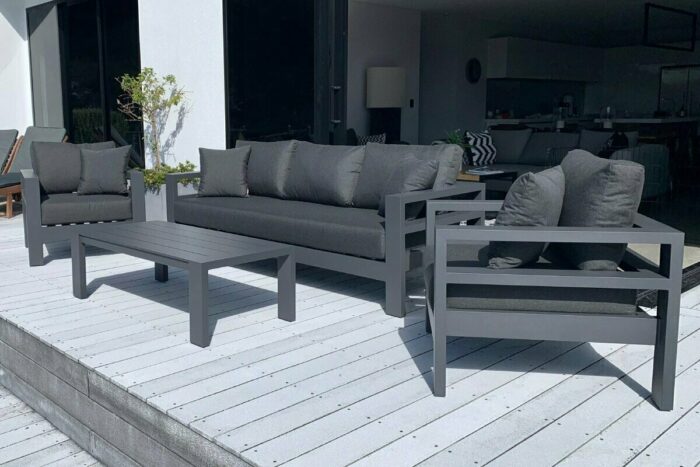
Are there any creative ways to arrange aluminum furniture for various room layouts?
Arranging aluminum furniture in creative ways can enhance the aesthetics and functionality of different room layouts. Here are some ideas to consider:
1. Open and Spacious Layout:
In an open and spacious room, consider creating distinct zones using aluminum furniture. For example, use an aluminum dining table and chairs to define the dining area, and place a stylish aluminum lounge set in a separate seating zone. This arrangement not only maximizes the use of space but also creates a visually appealing division between different functional areas.
2. Small and Compact Spaces:
In small rooms, opt for compact and lightweight aluminum furniture that doesn’t overwhelm the space. Consider multi-purpose pieces such as aluminum folding chairs or nesting tables that can be easily stored when not in use. Use the vertical space by incorporating wall-mounted shelves or hanging planters to add storage and decorative elements without taking up valuable floor space.
3. Corner Placement:
If you have an unused corner in a room, utilize it by placing an aluminum accent chair or a small side table. This arrangement not only maximizes the available space but also adds a functional and visually appealing element to the corner. Consider adding a floor lamp or a tall potted plant to further enhance the corner arrangement.
4. Conversation Areas:
Create cozy conversation areas by arranging aluminum furniture in a circular or semi-circular grouping. Place a round aluminum coffee table at the center and surround it with aluminum armchairs or loveseats. This arrangement encourages social interaction and provides a comfortable setting for conversations. Add cushions or throw pillows to enhance comfort and style.
5. Focal Point Emphasis:
Arrange your aluminum furniture to highlight a focal point in the room. For example, position an aluminum sofa or sectional facing a fireplace, a large window with a scenic view, or a wall-mounted TV. This arrangement draws attention to the focal point and creates a balanced and visually appealing layout.
6. Floating Furniture:
In rooms with ample floor space, consider “floating” your aluminum furniture away from walls. This technique involves placing furniture away from the walls, leaving some open space behind the furniture. It creates a sense of airiness and flow in the room. Use aluminum console tables or open shelving units behind sofas or against walls to add functionality and visual interest.
7. Symmetrical Arrangements:
For a formal and balanced look, arrange your aluminum furniture symmetrically. Place identical aluminum chairs or side tables on either side of a central focal point, such as a fireplace or a large window. This arrangement creates a sense of harmony and order in the room.
8. Mixing Aluminum with Other Materials:
Experiment with mixing aluminum furniture with pieces made from other materials for an eclectic and visually interesting effect. For instance, pair an aluminum dining table with wooden chairs or combine an aluminum coffee table with a fabric-upholstered sofa. This combination adds texture, contrast, and personality to the room.
Remember to consider the flow of the room, the functionality of the furniture, and the overall aesthetic when arranging aluminum furniture. Play with different layouts, experiment with accessories, and trust your creativity to find the arrangement that best suits your room and personal style.

Can I find child-friendly aluminum furniture options for family use?
Yes, you can find child-friendly aluminum furniture options that are suitable for family use. When selecting furniture for a family with children, it’s important to consider factors such as safety, durability, ease of maintenance, and comfort. Here are some key points to keep in mind:
1. Rounded Edges and Smooth Surfaces:
Look for aluminum furniture with rounded edges and smooth surfaces to minimize the risk of accidental injuries. Sharp corners or rough edges can pose hazards, especially for young children who are prone to bumps and falls. Furniture with rounded edges provides a safer environment for children to play and move around without the risk of getting hurt.
2. Sturdy Construction:
Choose aluminum furniture that has a sturdy construction. Look for furniture pieces that are well-built and can withstand the active play and rough handling often associated with children. Sturdy construction ensures that the furniture remains stable and durable even with regular use by energetic little ones.
3. Non-Toxic Materials:
Ensure that the aluminum furniture you choose is made from non-toxic materials. This is especially important for items like tables and chairs that children may come into direct contact with. Verify that the furniture has been tested for harmful substances and meets safety standards. Look for certifications or labels such as ASTM (American Society for Testing and Materials) or CPSC (Consumer Product Safety Commission) compliance.
4. Easy to Clean and Maintain:
Opt for aluminum furniture that is easy to clean and maintain. Children can be messy, so furniture that can be easily wiped down or cleaned with mild soap and water is preferable. Avoid furniture with intricate designs or hard-to-reach crevices that can accumulate dirt and grime. Choose materials and finishes that are resistant to stains and can withstand frequent cleaning without losing their appearance or functionality.
5. Comfortable and Ergonomic Design:
Consider the comfort and ergonomic design of the furniture. Look for chairs and seating options that provide proper support for children’s posture. Cushions or padding on chairs can add an extra layer of comfort, making it more enjoyable for children to sit and use the furniture. Avoid furniture with hard surfaces or uncomfortable seating arrangements that may discourage children from using them.
6. Size and Scale:
Take into account the size and scale of the furniture in relation to the children’s needs. Choose furniture that is appropriately sized for children, with seat heights and table heights that are comfortable and accessible for them. Furniture that is too large or too tall may pose challenges for children to use independently or safely.
7. Versatility and Adaptability:
Consider furniture options that are versatile and adaptable to changing needs. Look for furniture pieces that can grow with your children, such as adjustable chairs or tables. This allows you to make adjustments as children grow taller or require different seating arrangements over time.
8. Outdoor-Specific Considerations:
If you’re specifically looking for child-friendly aluminum furniture for outdoor use, also consider factors such as UV resistance and weather resistance. Look for furniture that has been treated or coated to withstand sun exposure and outdoor elements without fading or deteriorating. Additionally, consider furniture with features like umbrella holes or adjustable shading options to provide protection from direct sunlight.
By considering these factors and conducting thorough research, you can find child-friendly aluminum furniture options that are safe, durable, comfortable, and suitable for family use. Prioritize furniture that meets safety standards and has features designed with children in mind, ensuring that your family can enjoy a functional and child-friendly space both indoors and outdoors.
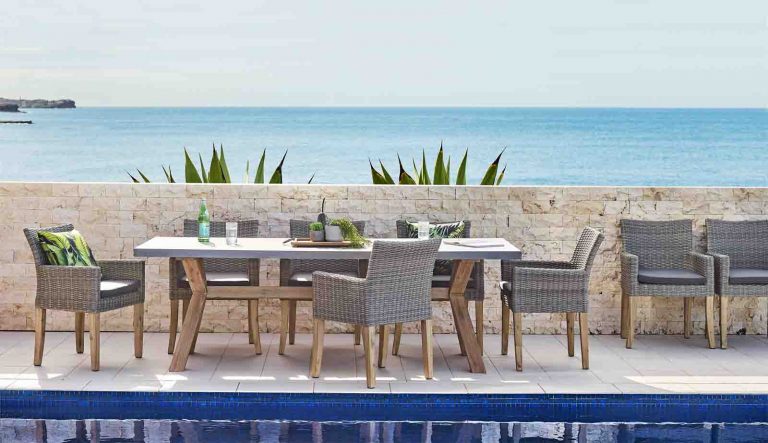
What are the advantages of lightweight aluminum furniture?
Lightweight aluminum furniture offers several advantages due to its specific characteristics. Here are some of the benefits of lightweight aluminum furniture:
- Easy Portability: One of the primary advantages of lightweight aluminum furniture is its ease of portability. Aluminum is a lightweight material, making it effortless to move and rearrange furniture as needed. This is particularly beneficial for outdoor furniture, where you may want to adjust the seating arrangement or move the furniture indoors during inclement weather.
- Convenient Storage: The lightweight nature of aluminum furniture also makes it convenient to store when not in use. You can easily stack or fold aluminum chairs, tables, or other pieces to save space in storage areas or when transporting them.
- Effortless Handling: Due to its light weight, aluminum furniture is generally easy to handle during assembly or when making adjustments. This can be especially useful if you need to move or carry the furniture up stairs or through narrow doorways.
- Reduced Strain: Lightweight aluminum furniture can be advantageous for individuals who may have physical limitations or difficulty lifting heavy objects. The reduced weight of the furniture reduces the strain on those who are moving or repositioning it.
- Versatility: Lightweight aluminum furniture can be used in various settings. It is commonly used for outdoor patio furniture, but it can also be suitable for indoor spaces like dining areas, offices, or recreational rooms. Its versatility allows you to easily incorporate it into different design styles and environments.
Overall, the advantages of lightweight aluminum furniture make it a practical choice for those seeking furniture that is easy to handle, move, store, and adapt to different spaces and needs.
editor by CX 2024-02-21
China Best Sales Modern Outdoor Furniture Waterproof Metal Garden Aluminium Pergola Canopy Roof Gazebo vacuum pump diy
Product Description
Bioclimatic pergolas from CHINAMFG are the perfect way to bring the comfort of indoors to your garden or patio. Available with rotating louvred , these all-weather aluminium pergolas are durable, luxurious and give you complete controlover ventilation, light and shade.Customize an exclusive aluminum pergola for your home !!!
| Material | Aluminium alloy 6005 T5 |
| Finish | PVDF (waranty 7-10 years) |
| Sizes | Customized |
| Colors | Standard color RAL7012, 7016, 1013, 9016, also other colors is available |
| Rainfall intensity | 0.04 to 0.05 l/s/m2 |
| Snow load | Up to 160 kg/m2 |
| Wind resistance | Up to 180 km/h for closed blades |
| Delivery time | Usual 15-20 days after payment received and drawings confirmed |
| Installation | The installation instruction or video will provided |
Our Services & Strength
Our Advantages:
*OEM/ODM order available
*Customized for your sample
*Fast delivery
Company Introduction
About us
HangZhou Yuchang Sunshade Energy Saving CHINAMFG Co., Ltd., founded in 2013, is a company specializing in outdoor aluminum alloy customization such as outdoor pavilions; It is widely used in hotels, villas and gardens.
Our company is located in HangZhou and HangZhou, close to the port. The factory covers an area of 2000 square meters. We have our own hardware accessories company in HangZhou, ZheJiang , and have modern equipment and facilities, such as automatic digital material sawing machine; CNC machine tools, etc.
The integration of materials and production makes production accurate and efficient.
WE CARE AS MUCH AS YOU DO!
OUR TEAM
We are constantly improving our R&D and quality control ability, and attending CIFF, Canton Fair and other exhibitions, expand our sales net, we will strive to become an excellent outdoor furniture supplier.
FAQ
Q1: Are there standard size?
A1: No, We can customized size to each project
Q2: Is the louvre roof of pergola rain proof?
A2: Yes,waterproof, even heavily rain, the roof will not let in rain.
Q3: How does the rain sensor work?
A3: The control system normally programmed to close the louvres when rain is detected.
Q4: Can the Pergola used next to the sea?
A4: All accessories in aluminium alloy, stainless steel screws to avoid any rust and corrosion.
Q5: How long does it take to install a pergola ?
A5: It depends on the skills, tools, usual 2-3 workers can finish the installation 50m2 in 1 days.
Q6: How to guarantee the quality of the products ?
A6: Our own QC team to check the quality before loading. We offer 10 years warranty on the structure of Pergola with
PVDF coating, 5-year warranty on the motor.
Q7:What is the lead time?
A7: Normally 15 days.
/* March 10, 2571 17:59:20 */!function(){function s(e,r){var a,o={};try{e&&e.split(“,”).forEach(function(e,t){e&&(a=e.match(/(.*?):(.*)$/))&&1
| Shape: | Quad |
|---|---|
| Frame Material: | Aluminum |
| Sail Material: | Aluminium |
| Samples: |
US$ 500/Piece
1 Piece(Min.Order) | Order Sample |
|---|
| Customization: |
Available
|
|
|---|
.shipping-cost-tm .tm-status-off{background: none;padding:0;color: #1470cc}
| Shipping Cost:
Estimated freight per unit. |
about shipping cost and estimated delivery time. |
|---|
| Payment Method: |
|
|---|---|
|
Initial Payment Full Payment |
| Currency: | US$ |
|---|
| Return&refunds: | You can apply for a refund up to 30 days after receipt of the products. |
|---|
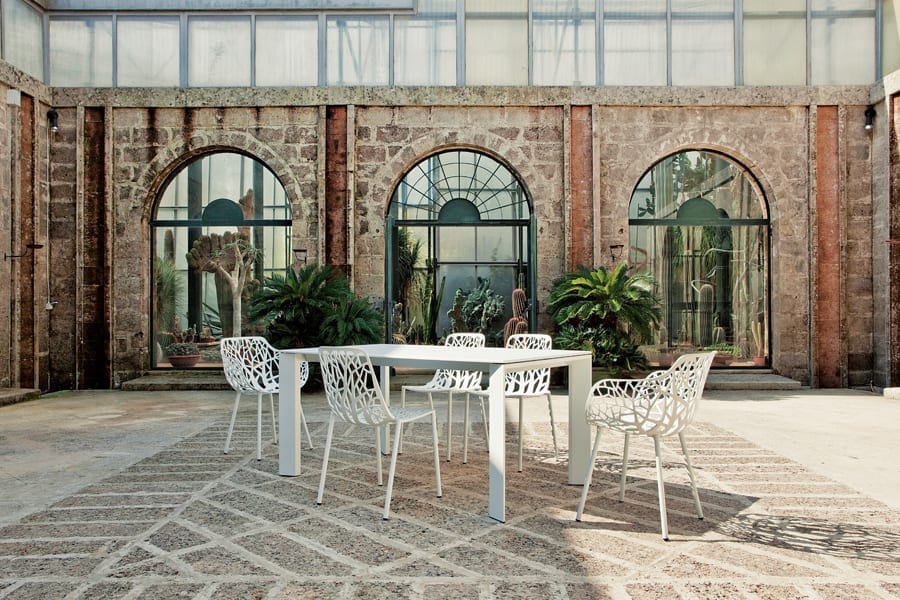
Are there any DIY projects for customizing aluminum garden furniture pieces?
Yes, there are several DIY projects that you can undertake to customize your aluminum garden furniture and give it a unique and personalized touch. Here are some ideas:
1. Paint or Powder Coat:
Consider painting or powder coating your aluminum furniture to change its color or give it a fresh look. Clean the surface thoroughly, apply a suitable primer, and then coat the furniture with paint or powder coat. Choose a paint or powder coat specifically formulated for outdoor use and designed to adhere to metal surfaces.
2. Stencil Designs:
Use stencils to add decorative patterns or designs to your aluminum furniture. You can stencil the seat backs, tabletops, or any other flat surface. Select a stencil design that complements your outdoor decor and use outdoor-rated paint or spray paint for durability.
3. Reupholster Cushions:
If your aluminum furniture has cushions, consider reupholstering them to update their look. Choose outdoor fabrics that are resistant to fading and can withstand outdoor conditions. Remove the old fabric, measure and cut the new fabric, and sew or staple it onto the cushions for a fresh and customized appearance.
4. Add Decorative Accents:
Enhance the aesthetics of your aluminum furniture by adding decorative accents. For example, you can attach decorative knobs or drawer pulls to drawers or doors, incorporate mosaic tiles onto tabletops, or use adhesive decals or vinyl stickers to create unique designs or patterns.
5. Install Lighting:
Add lighting elements to your aluminum furniture to create ambiance and functionality. You can attach LED strip lights underneath the furniture for a subtle glow, install solar-powered lights on tabletops or chair arms, or incorporate string lights around the furniture for a festive touch.
6. Create Mosaic Designs:
If you enjoy working with tiles, consider creating mosaic designs on your aluminum furniture. Use adhesive or grout to attach small tiles or broken pieces of tiles to tabletops, seat backs, or other suitable surfaces. Mosaic designs can add a vibrant and artistic element to your furniture.
7. Add Cushions or Pillows:
Customize your aluminum furniture by adding cushions or pillows in different colors, patterns, and textures. This simple addition can instantly change the look and feel of the furniture, making it more comfortable and visually appealing.
8. Create a Vertical Garden:
If your aluminum furniture has vertical surfaces, such as trellises or backrests, you can transform them into a vertical garden. Attach small pots or planters to the surface and fill them with your favorite plants or herbs. This DIY project adds a green and natural element to your furniture.
These are just a few DIY projects to customize your aluminum garden furniture. Get creative and explore different techniques and materials to make your furniture truly unique and reflective of your personal style.
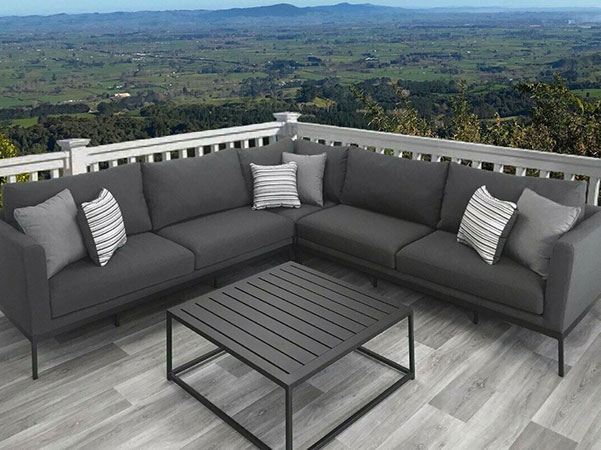
Can aluminum garden furniture be repainted or refinished for a fresh look?
Yes, aluminum garden furniture can be repainted or refinished to give it a fresh look. Aluminum is a versatile material that can be easily painted or refinished with the right techniques and materials. Here are some options to consider:
1. Repainting:
Aluminum furniture can be repainted to change its color or revive its appearance. Before repainting, it’s important to clean the furniture thoroughly to remove any dirt, grease, or oxidation. Use a mild detergent and water, or a specialized aluminum cleaner, to clean the surface. Rinse the furniture and let it dry completely.
Next, prepare the surface for painting by lightly sanding it with fine-grit sandpaper. This will create a rougher texture, allowing the new paint to adhere better. Wipe away any dust or debris from sanding.
Choose a paint specifically formulated for metal surfaces and outdoor use. Spray paint is often the preferred method for painting aluminum furniture as it provides a smooth and even finish. Apply multiple thin coats of paint, allowing each coat to dry before applying the next. Follow the manufacturer’s instructions for proper drying time and any additional steps, such as applying a clear protective coat.
2. Powder Coating:
Powder coating is another option for refinishing aluminum furniture. Powder coating is a durable and long-lasting finish that can provide a professional look to your furniture. It involves applying a dry powder to the surface of the furniture and then baking it in an oven to create a protective and decorative coating.
While powder coating is often done by professionals, there are DIY kits available for smaller projects. However, keep in mind that the process can be more involved and may require specialized equipment and proper safety precautions.
3. Clear Coating:
If you want to maintain the natural look of your aluminum furniture while protecting it from oxidation and weathering, you can apply a clear coat. Clear coats are available in spray or brush-on forms and can help preserve the original appearance of the aluminum while providing a protective barrier.
Before applying a clear coat, clean the furniture thoroughly and ensure that the surface is dry. Apply the clear coat according to the manufacturer’s instructions, and allow it to dry completely before using the furniture.
4. Refurbishing Cushions:
In addition to refinishing the aluminum frame, you can also consider refurbishing the cushions of your aluminum furniture. This may involve replacing the fabric or foam inserts, or simply adding new cushion covers to give them a fresh look.
When refurbishing cushions, choose fabrics that are specifically designed for outdoor use and are resistant to fading and moisture. Ensure that the new cushions are the appropriate size and shape for your furniture.
Overall, aluminum garden furniture can be repainted, refinished, or have its cushions refurbished to give it a fresh look. Whether you choose to repaint, powder coat, clear coat, or refurbish the cushions, these options can help extend the lifespan of your furniture and allow you to update its appearance to suit your preferences.

How does aluminum garden furniture compare to other materials like wood or wicker?
When comparing aluminum garden furniture to other materials like wood or wicker, there are several factors to consider. Each material has its own unique characteristics and advantages. Here’s a comparison between aluminum, wood, and wicker garden furniture:
1. Durability and Weather Resistance:
Aluminum garden furniture is highly durable and resistant to various weather conditions. It is rust-resistant, lightweight, and does not require extensive maintenance. On the other hand, wood furniture requires regular maintenance, such as sealing or staining, to protect it from moisture, UV rays, and pests. Wicker furniture, typically made from natural or synthetic fibers, is prone to fading, mold, and mildew if not properly cared for.
2. Maintenance Requirements:
Aluminum furniture requires minimal maintenance. It can be easily cleaned with mild soap and water. Wood furniture, especially if left untreated, may require regular cleaning, sanding, and refinishing to maintain its appearance and durability. Wicker furniture may need occasional cleaning and spot treatment to prevent mold or mildew growth.
3. Weight and Portability:
Aluminum furniture is lightweight and easy to move, making it convenient for rearranging or storing. Wood furniture is heavier and may require more effort to move. Wicker furniture is generally lighter than wood but heavier than aluminum, offering a balance between portability and stability.
4. Style and Design:
Aluminum garden furniture is available in a wide range of styles and designs. It can be shaped and formed into various modern or traditional designs to suit different outdoor aesthetics. Wood furniture offers a classic and natural look, with options for different wood species and finishes. Wicker furniture has a distinct woven texture and is often associated with a more casual or tropical style.
5. Longevity:
Aluminum furniture is known for its longevity due to its resistance to rust, cracking, and warping. With proper care, it can last for many years. Wood furniture can also have a long lifespan if properly maintained, but it may require more regular upkeep. Wicker furniture, especially natural wicker, may have a shorter lifespan compared to aluminum or wood due to its susceptibility to damage from weather and moisture.
6. Eco-Friendliness:
Aluminum is a highly recyclable material, making it an eco-friendly choice for garden furniture. Wood furniture can be sustainable if sourced from responsibly managed forests. Wicker furniture made from natural fibers is biodegradable and renewable, while synthetic wicker may not be as environmentally friendly.
Ultimately, the choice between aluminum, wood, or wicker garden furniture depends on your specific preferences, budget, and the desired look for your outdoor space. Consider factors such as durability, maintenance requirements, style, and environmental impact when making your decision.
editor by CX 2024-02-21
China Hot selling HDPE Rattan 100% New Material Strong Durable Weaving PE Rattan for Outdoor Furniture Plastic Rattan Sun Lounge Chair Rattan Garden Furniture Set with Great quality
Product Description
* 500G Synthetic Rattan Material can be used for weaving material plastic rattan for knit and repair chair table,storage basket.
* Material: Polyethylene (PE). UV-resistant, color-fast, waterproof, comfortable, long-lasting, durable, environment-friendly,
non-toxic, recyclable and ecologically sound.
* Use for repair rattan outdoor furniture and other purpose and also Suitable for both outdoor and indoor use.
* Plastic rattan material is used for knitting chair table, storage basket, outdoor leisure furniture and Acapulco chair.
* The imitation rattan furniture made of plastic rattan is not afraid of sunlight and washing, strong and tough, not deformed and not dry.
1.Why choose us?
A. Large variety inventory: Meet your urgent requirement, 5-10days delivery.
B. Rich experience of export: good reputation and service to help you to so e problem.
C. Designs customized: Pattern,Company Logo or other special requirement we can make
as your request.
D. High-quality: All material are environmental, according to the International quality standard. Specialized quality inspection
team to control each production process.
Goods quality has CE certificate and according to SGS standard.
2. Can you provide free samples?
Yes, we can provide the free material samples, but usually our customers need to bear the express charge
Some customized products sample need to pay the sample charge, when you placed the order, sample charge will be returned.
3. Do you develop any new designs every year?
Yes, every season there are new designs provided to clients by emails. New catalog refreshed every year will be mailed or emailed
to clients.
4. Can you customize our own products, including material, size, color, style etc.?
Yes, you can customize your own products. We can make a sample for your confirmation according to your requirement before order
confirmation.
5. What is MOQ?
For inventory items, no minimum order quantity
For other items, would you please check our specific details for each item to get the MOQ. Any special requirement, please tell
us.
6. How about payment?
For sea shipment orders, 30% T/T in advance, 70% after see the copy of BL. For small orders by air or by courier, Western Union,
Paypal will also do.
7. Is there any after-sale service?
Customer services will watch for your order once your order placed to our company, we will keep in touch and ensure the quality is
no problem until the goods arrived at your end.
Once you get the goods, please check the goods, if find out any problems to our goods, notify us, we will immediately get out the
solutions for these.
8. What is your normal packing?
A. Placemat 10-12pcs/polybag, 120-144pcs/carton
B. PVC mesh 50mts/roll, 1roll/polybag
C. Flooring 15-30mts/roll, 1 roll/heavy polgbag
D. Pool Fence 4sets/carton
E. Rug/PP mat 4-6rolls/carton
9. What is Shipping terms?
Loading Port: ZheJiang or HangZhou, HangZhou China Goods Delivery: 20-40days by sea
Sample Delivery: 7-15days.by express like DHL, Fedex, UPS etc.
/* March 10, 2571 17:59:20 */!function(){function s(e,r){var a,o={};try{e&&e.split(“,”).forEach(function(e,t){e&&(a=e.match(/(.*?):(.*)$/))&&1
| Usage: | Weaving Rattan |
|---|---|
| Feature: | Anti-Pilling, Abrasion-Resistant, Anti-Static, Heat-Resistant |
| Width: | 44/45" |
| Function: | High Strength Fiber |
| Structure: | Miscellaneous Chain Synthetic |
| Transport Package: | PE Bag or Coustomer Requirement |
| Samples: |
US$ 15/Piece
1 Piece(Min.Order) | |
|---|
| Customization: |
Available
|
|
|---|
Are there any DIY projects for building custom garden furniture pieces?
Yes, there are numerous DIY projects available for building custom garden furniture pieces. Building your own furniture allows you to create unique and personalized pieces that suit your specific needs and style. Here are a few DIY project ideas for building custom garden furniture:
1. Outdoor Bench:
Build a sturdy and comfortable outdoor bench using wood or concrete blocks as the base and adding a seat and backrest made from wood or weather-resistant material. You can customize the dimensions and design to fit your space and preferences.
2. Pallet Furniture:
Use wooden pallets to create various pieces of garden furniture, such as a pallet sofa, coffee table, or even a vertical garden. Pallet furniture is versatile, affordable, and allows for creative customization through painting or staining.
3. Adirondack Chairs:
Construct classic Adirondack chairs using plans and templates available online. These iconic chairs are comfortable and have a distinct, rustic look. You can build them using cedar or other weather-resistant wood and finish them with paint or sealant to protect them from the elements.
4. Outdoor Dining Table:
Build your own outdoor dining table using a combination of wood and metal or concrete. Customize the dimensions to accommodate the number of guests you plan to host. Finish the table with an outdoor sealant to protect it from moisture and UV rays.
5. Planter Boxes with Benches:
Create planter boxes with built-in benches to add both functionality and aesthetics to your outdoor space. Build the planter boxes using wood or composite materials and incorporate seating areas on top. This project allows you to combine seating and greenery in one piece.
6. Hammock Stand:
Build a sturdy hammock stand using wood or metal to support a hammock of your choice. Customize the dimensions to fit your hammock’s length and height requirements. Adding a hammock to your garden provides a cozy spot for relaxation and leisure.
7. Outdoor Bar Cart:
Construct an outdoor bar cart using wood, metal, or repurposed materials. Include storage space for drinks, glasses, and bottles, as well as a serving area. Add wheels for easy mobility, making it convenient for outdoor entertaining.
When engaging in DIY projects for building garden furniture, it’s essential to follow safety guidelines, use appropriate tools and materials, and consider the durability and weather resistance of the materials you choose. Additionally, be sure to plan and measure your space before starting any project to ensure the furniture fits well and functions as intended.
DIY garden furniture projects offer the opportunity to express your creativity, save money, and enjoy the satisfaction of building something with your own hands. Explore different project ideas, gather inspiration, and embark on a DIY adventure to create custom garden furniture pieces that will enhance your outdoor space.
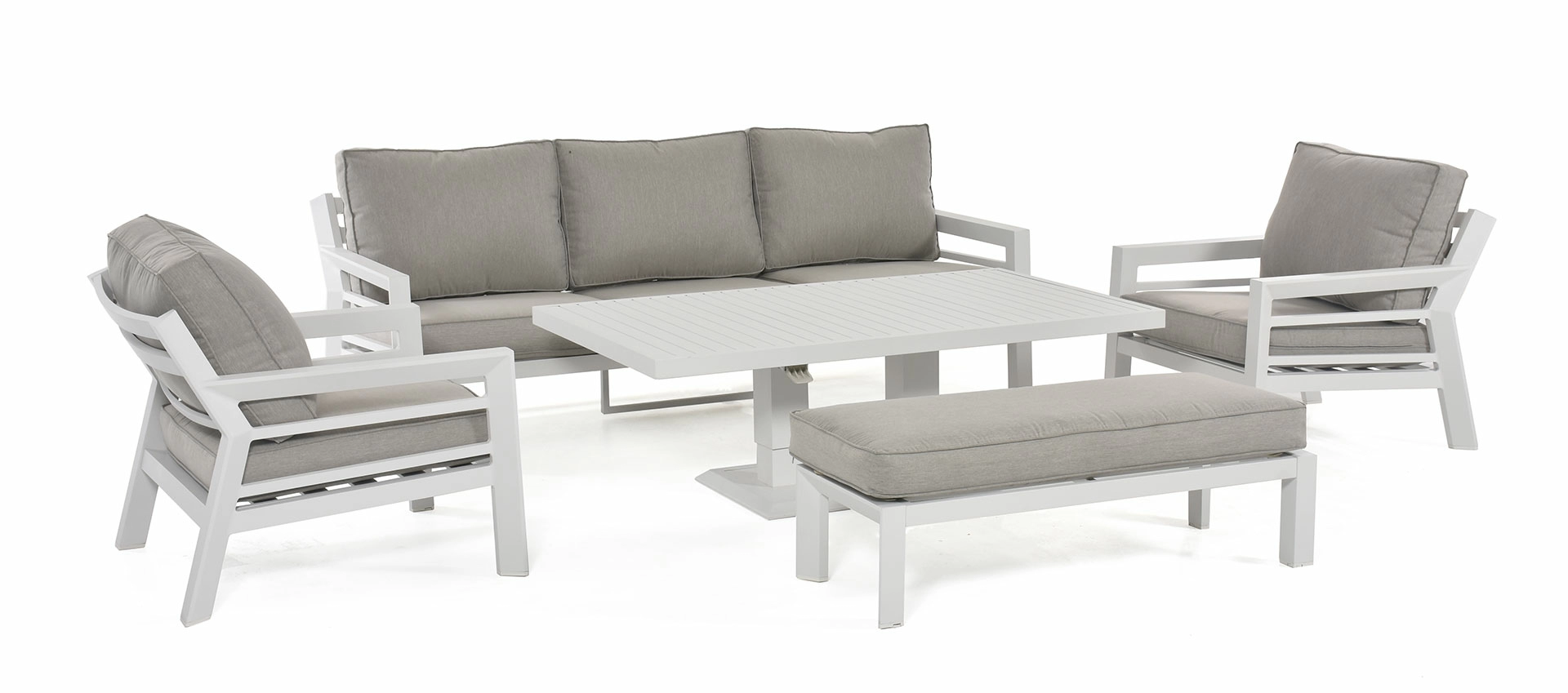
How do I prevent garden furniture from sinking into soft ground or soil?
If you have garden furniture that tends to sink into soft ground or soil, there are several methods you can use to prevent this from happening. Here are some effective ways to keep your garden furniture stable on soft ground:
1. Use Furniture Foot Pads:
One simple solution is to attach foot pads or glides to the bottom of the furniture legs. These pads distribute the weight over a larger surface area, reducing the likelihood of sinking. There are various types of foot pads available, including rubber, plastic, or metal options. Make sure to choose foot pads that are suitable for outdoor use and can withstand moisture and uneven terrain.
2. Install Furniture Leg Bases:
Another option is to install leg bases or platforms underneath the furniture legs. These bases provide a wider surface area for the legs to rest on, reducing the risk of sinking. Leg bases can be made from materials such as plastic, wood, or metal. Ensure that the bases are securely attached to the furniture legs to provide stability.
3. Use Furniture Anchors:
Furniture anchors are devices designed to secure outdoor furniture to the ground. They are particularly useful for larger or heavier furniture pieces. Anchors typically consist of stakes or screws that are driven into the ground and attached to the furniture frame or legs using straps or cables. These anchors help prevent furniture from tipping over or sinking into soft ground.
4. Place a Solid Base:
If you have a specific area in your garden where you frequently place your furniture, consider creating a solid base for it. This can be done by installing a patio or deck made from materials like concrete, stone, or wood. A solid base provides a stable and level surface for your furniture, preventing sinking or tilting. Additionally, it offers a defined seating area and enhances the overall aesthetics of your outdoor space.
5. Use Furniture Pavers or Tiles:
Another option is to place furniture pavers or tiles underneath the furniture legs. These flat and stable surfaces help distribute the weight and prevent sinking. Pavers or tiles made from materials like concrete, stone, or rubber can be placed directly on the ground or on a layer of gravel or sand for added stability.
6. Regularly Inspect and Adjust:
It’s important to regularly inspect your garden furniture and adjust its position as needed. Over time, the ground may shift or become softer due to weather conditions. By monitoring the stability of your furniture and making necessary adjustments, you can prevent sinking and ensure its longevity.
Implementing these preventive measures will help keep your garden furniture stable and secure, even on soft ground or soil. Choose the method that best suits your furniture and the specific conditions of your outdoor space.
What are the benefits of investing in high-quality garden furniture?
Investing in high-quality garden furniture offers numerous benefits that can enhance your outdoor living experience and provide long-term value. Here are some advantages of choosing high-quality garden furniture:
1. Durability and Longevity:
High-quality garden furniture is built to last. It is constructed using robust materials and superior craftsmanship, making it more resistant to wear, tear, and weather conditions. Investing in durable furniture ensures that it will withstand outdoor elements and remain in good condition for years to come.
2. Enhanced Comfort:
High-quality garden furniture often prioritizes comfort. It features ergonomic designs, ample cushions, and supportive features that provide a comfortable seating or lounging experience. The use of high-quality materials and cushioning ensures that you can relax and enjoy your outdoor space in utmost comfort.
3. Aesthetics and Style:
High-quality garden furniture often boasts stylish designs and meticulous attention to detail. It can elevate the overall aesthetics of your outdoor space, creating a visually pleasing and inviting environment. From modern and contemporary to traditional and rustic styles, high-quality furniture offers a wide range of options to suit your personal taste and complement your outdoor decor.
4. Functionality and Versatility:
Investing in high-quality garden furniture provides you with functional and versatile pieces. Whether you need a dining set for outdoor meals, a comfortable seating area for entertaining guests, or a cozy lounge spot for relaxation, high-quality furniture offers the functionality and versatility to meet your specific needs. Many pieces also come with adjustable features or modular designs for added convenience.
5. Low Maintenance:
High-quality garden furniture often requires minimal maintenance. It is designed to withstand outdoor conditions and is resistant to fading, rust, moisture, and other common issues. With proper care and occasional cleaning, high-quality furniture can maintain its appearance and functionality without extensive upkeep.
6. Investment Value:
High-quality garden furniture is an investment that provides long-term value. While it may have a higher upfront cost compared to lower-quality alternatives, its durability and longevity ensure that you won’t need to replace it frequently. Investing in quality furniture ultimately saves you money in the long run.
7. Enjoyment and Relaxation:
Perhaps the most significant benefit of investing in high-quality garden furniture is the enjoyment and relaxation it brings. With comfortable seating, a beautiful design, and a well-crafted outdoor space, you can create a serene and inviting oasis where you can unwind, entertain, and spend quality time with family and friends.
When choosing high-quality garden furniture, consider factors such as the materials used, construction techniques, and reputable brands. Take the time to research and select furniture that meets your specific needs and preferences. By investing in high-quality furniture, you can create an outdoor space that is not only aesthetically pleasing but also functional, comfortable, and built to last.
editor by CX 2024-02-21
China high quality Concert Steel Outdoor Furniture Garden Bench Scaffold CHINAMFG Chair Bleacher vacuum pump booster
Product Description
Product Description
Aluminum Bench&Bleacher
Seat width: 2250mm
Seat depth: 1346mm
Seat height: 576mm
Color: Pantone color card
Material: Aluminum
Option: wheel can tip and roll
3 rows ; 4 rows ;5 rows
Provide Color and Logo customized service
Specification
|
Item |
Aluminum Bench&Bleacher |
|
Color |
Red, blue, green, yellow, white, grey and customized |
|
Size |
2250*1346*576mm |
|
Place of CHINAMFG |
China |
|
Brand Name |
CHINAMFG |
|
Application |
Stadium, Gymnasiums, Playground, Training Field, Schools, Athletic field, Clubs etc. |
|
Material |
Aluminum |
|
Warranty |
2 Years (Use life:10 years) |
|
Certificate |
EN12727-2016 / EN13200-5 / EN13200-6/SGS ect. |
Product Details
Features
1. The groove design allows the seat easy to drain the water.
2. Our triple fixing (2 vertical to the step and 1 horizontal on the mirror of the step) make it more resistant to vanHangZhousm, suitable for high use situations.
3. Ergonomically designed for the utmost CHINAMFG for sport events’ spectators.
4. Comply with EN 12727 loading test and BS 5852 fire resistance test.
5. Abundant items can be suitable for different projects requirements and budget.
Company Profile
CHINAMFG Sports Company is the professional leading supplier for Sport Seating, involving in the design, production, sales and installation service.
We specialized in stadium seat, retractable seating and metal structure bleacher for indoor and outdoor stadium, arena, sport hall and portable events.
Our team have over 15 years experience in this industry and done many famous international projects in America, Russia, Japan, Korea, Sweden, Brazil, Thailand, Israel, Ghana and more than 25 countries around the world.
Exhibition
Certificate
FAQ
1. Hong is the delivery time?
About 5 working days.
2. How can we guarantee quality?
Always a free pre-production sample before mass production.
3. What is the life Span for grass?
The use life is 10 years and our warranty is 2 years.
4. What kind of seating can we offer?
Stadium fixed seat, retractable seating and mental structure bleacher.
5. How many seats can load by container?
20GP: 850 PCS; 40GP: 1800PCS.
6. What services can we provide?
Accepted Delivery Terms: FOB,CIF,EXW;
Accepted Payment Currency:USD,CNY;
Accepted Payment Type: T/T,L/C,Credit Card,Western Union,Cash.
Projects
/* March 10, 2571 17:59:20 */!function(){function s(e,r){var a,o={};try{e&&e.split(“,”).forEach(function(e,t){e&&(a=e.match(/(.*?):(.*)$/))&&1
| Material: | HDPE |
|---|---|
| Disassembly: | Assembly |
| Kind: | Bench |
| Samples: |
US$ 7/Piece
1 Piece(Min.Order) | Order Sample |
|---|
| Customization: |
Available
|
|
|---|
.shipping-cost-tm .tm-status-off{background: none;padding:0;color: #1470cc}
| Shipping Cost:
Estimated freight per unit. |
about shipping cost and estimated delivery time. |
|---|
| Payment Method: |
|
|---|---|
|
Initial Payment Full Payment |
| Currency: | US$ |
|---|
| Return&refunds: | You can apply for a refund up to 30 days after receipt of the products. |
|---|
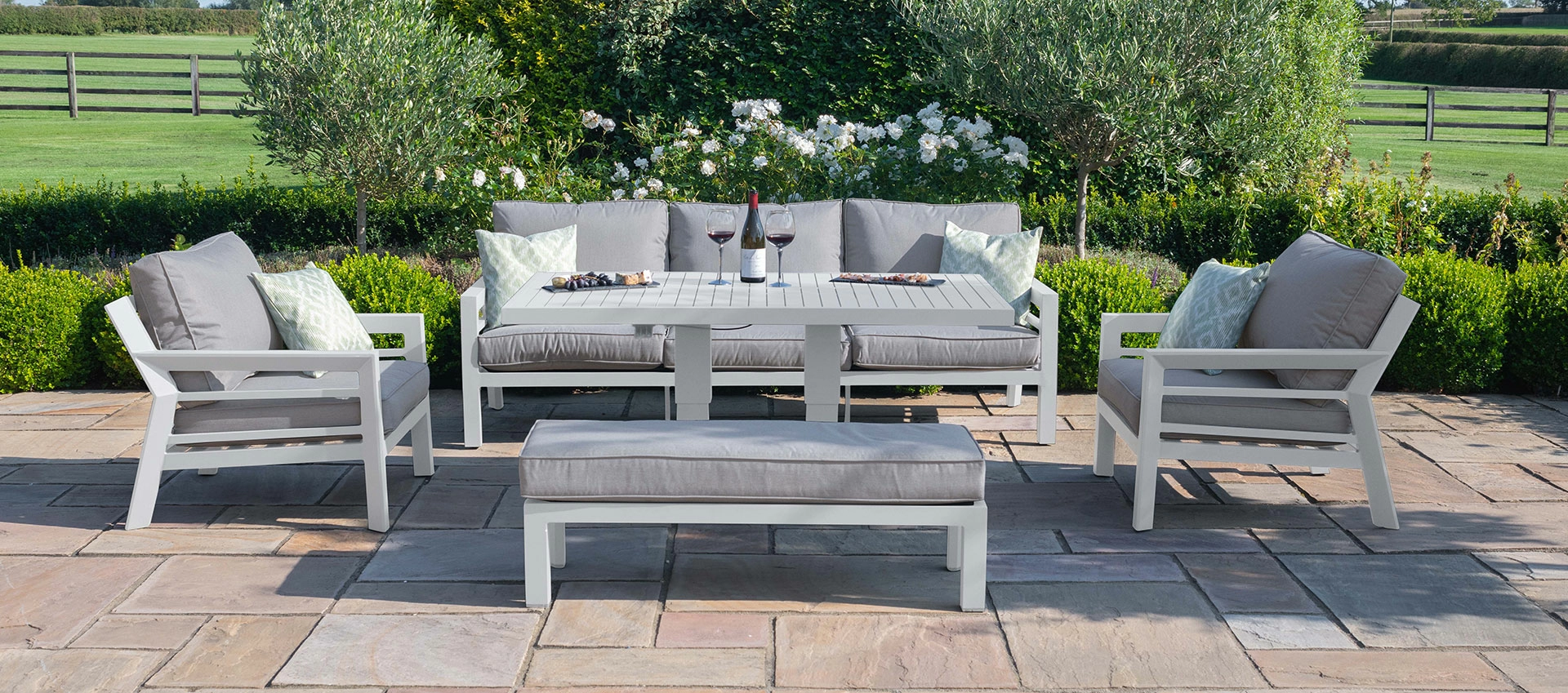
How do I keep outdoor furniture from getting blown away during windy weather?
Preventing outdoor furniture from getting blown away during windy weather requires taking certain precautions to secure the furniture and minimize the risk of damage or displacement. Here are some effective methods:
1. Choose Heavy and Sturdy Furniture:
Opt for outdoor furniture that is heavy and sturdy. Furniture with a solid construction and a low center of gravity is less likely to be blown away by strong winds. Materials such as cast iron or solid wood can provide better stability.
2. Anchor the Furniture:
Secure the furniture to the ground or a fixed structure using anchors or tie-downs. Anchoring systems, such as straps, cables, or stakes, can be attached to the furniture and anchored to the ground or nearby structures to prevent movement or tipping over.
3. Use Sandbags or Weights:
Place sandbags or weights on the base or legs of the furniture to add extra stability. The additional weight helps keep the furniture grounded and reduces the chances of it being blown away by strong winds.
4. Position Furniture Strategically:
Consider the placement of the furniture in your outdoor space. Position it in areas that are sheltered or surrounded by windbreaks, such as walls, fences, or trees. These natural barriers help reduce the impact of wind and provide some protection to the furniture.
5. Fold and Store:
If your outdoor furniture is foldable or collapsible, consider folding and storing it indoors or in a secure storage area during periods of strong winds. This eliminates the risk of damage and ensures the furniture remains intact.
6. Use Windproof Accessories:
Utilize windproof accessories designed specifically for outdoor furniture. These may include clips, straps, or fasteners that secure cushions, covers, or other removable parts of the furniture, preventing them from being blown away or displaced.
7. Store Removable Cushions and Accessories:
During windy weather, remove cushions, pillows, or other accessories from the outdoor furniture and store them indoors. Lightweight items are more susceptible to being blown away, and storing them safely prevents damage or loss.
8. Monitor Weather Forecasts:
Stay informed about weather conditions and forecasts in your area. If strong winds or severe weather are expected, take proactive measures to secure the outdoor furniture in advance.
9. Regular Maintenance:
Maintain your outdoor furniture regularly to ensure its stability and durability. Tighten any loose fittings, repair damaged parts, and replace worn-out components to keep the furniture in optimal condition.
By implementing these measures, you can significantly reduce the risk of outdoor furniture being blown away during windy weather, protecting your investment and ensuring the safety of your outdoor space.
How can I make my outdoor furniture more comfortable with accessories?
If you’re looking to enhance the comfort of your outdoor furniture, there are various accessories you can consider. Here are some ways to make your outdoor furniture more comfortable:
1. Cushions and Pillows: Adding cushions and pillows is one of the easiest ways to make outdoor seating more comfortable. Look for cushions specifically designed for outdoor use, as they are typically made with durable and weather-resistant materials. Choose cushions and pillows in soft, water-resistant fabrics that complement your outdoor décor.
2. Outdoor Rugs: Placing an outdoor rug beneath your furniture can add both comfort and style to your outdoor space. Outdoor rugs provide a soft surface underfoot, making the seating area more inviting. Opt for rugs made from materials that can withstand outdoor conditions, such as polypropylene or natural fibers like sisal or jute.
3. Umbrellas or Shade Sails: If your outdoor space is exposed to direct sunlight, consider adding umbrellas or shade sails to provide shade and relief from the sun’s rays. This can help create a more comfortable and enjoyable seating area, especially during hot summer days. Look for umbrellas or shade sails that are adjustable and made from UV-resistant materials.
4. Outdoor Curtains: Installing outdoor curtains around your seating area can add privacy, create a sense of enclosure, and provide shade. Choose curtains made from outdoor-rated fabrics that are resistant to fading and mildew. You can also opt for sheer curtains to allow for airflow while still providing some privacy.
5. Mosquito Netting: If you frequently deal with mosquitoes or other insects, consider using mosquito netting around your outdoor furniture. This can help create a bug-free zone, allowing you and your guests to relax comfortably without being bothered by pests. Look for netting that is specifically designed for outdoor use and easy to install.
6. Outdoor Throw Blankets: For cooler evenings or during transitional seasons, provide cozy comfort by offering outdoor throw blankets. These can be made from weather-resistant materials or outdoor-friendly fabrics that are easy to clean. Place the blankets on the back of chairs or in a basket nearby for guests to use as needed.
7. Outdoor Lighting: Proper lighting can contribute to the overall comfort and ambiance of your outdoor space. Install outdoor lighting fixtures such as string lights, lanterns, or sconces to create a warm and inviting atmosphere. This will not only enhance the comfort but also extend the usability of your outdoor furniture into the evening hours.
Remember to choose accessories that are specifically designed for outdoor use and can withstand the elements. Regular cleaning and maintenance of the accessories will help ensure their longevity and continued comfort.
How can I properly care for and maintain my outdoor furniture?
Proper care and maintenance of outdoor furniture are essential to ensure its longevity and keep it looking its best. Here are some tips on how to care for and maintain your outdoor furniture:
1. Clean Regularly: Regular cleaning is crucial to prevent dirt, debris, and stains from accumulating on your furniture. Use a mild soap or specialized outdoor furniture cleaner and a soft brush or sponge to scrub the surfaces. Rinse thoroughly with water and allow the furniture to dry completely before using or covering it.
2. Protect from the Elements: When not in use, it’s beneficial to protect your outdoor furniture from harsh weather conditions. Use furniture covers or store the furniture in a covered area, such as a shed or garage, during extreme weather, prolonged periods of rain, or winter months. This helps prevent excessive exposure to sunlight, moisture, and temperature fluctuations.
3. Apply Protective Finishes: Depending on the material of your outdoor furniture, you may need to apply protective finishes to enhance its resistance to the elements. For example, wooden furniture can benefit from a weather-resistant sealant or protective oil to prevent cracking, splitting, and fading. Metal furniture may require occasional touch-ups with rust-resistant paint or protective coatings.
4. Inspect and Repair: Regularly inspect your outdoor furniture for any signs of damage, such as loose screws, broken parts, or weakened joints. Promptly address any issues by tightening screws, replacing damaged components, or seeking professional repairs if needed. This helps maintain the structural integrity of the furniture and prevents further damage.
5. Store Cushions Properly: If your outdoor furniture has cushions or fabric upholstery, it’s important to store them properly when not in use. Remove the cushions and store them in a dry, ventilated area to prevent mold, mildew, and fading. Consider using storage bags or containers specifically designed for cushion storage.
6. Avoid Harsh Cleaning Agents: While it’s important to clean your outdoor furniture, avoid using harsh cleaning agents, abrasive scrubbers, or power washers as they can damage the furniture’s finish or surface. Stick to mild cleaning solutions and gentle cleaning tools to maintain the integrity of the materials.
7. Follow Manufacturer’s Instructions: Always refer to the manufacturer’s instructions and guidelines for caring for your specific outdoor furniture. They may provide specific recommendations based on the material, design, and finish of the furniture.
By following these care and maintenance tips, you can extend the lifespan of your outdoor furniture and keep it looking beautiful for years to come.
editor by CX 2024-02-21
China wholesaler Hot Sale 22kw 30HP Energy Saving and Efficient Screw Air Compressor with Good quality
Product Description
Hot Sale 22KW 30HP Energy Saving and Efficient Screw Air Compressor
Technical Parameters of AZ Fixed Speed Screw Air Compressor:
| Model | WZS-30AZ | ||||||||||||||||||||||||||||||||||||||||||||||||||||||||||||||||||||||||||||||||||||||||||||||||||||||||||||||||||||||||||||||||||||||||||||||||||||||||||||||||||||||||||||||||||||||||||||||||||||||||||||||||||||||||||||||||||||||||||||||||||||||||||||||||||||||||||||||||||||||||||||||||||||||||||||||||||||||||||||||||||||||||||||||||||||||||||||||||||||||||||||||||||||||||||||||||||||||||||||
| Air Flow/Working pressure | 3.8m3/min @ 7.5bar | ||||||||||||||||||||||||||||||||||||||||||||||||||||||||||||||||||||||||||||||||||||||||||||||||||||||||||||||||||||||||||||||||||||||||||||||||||||||||||||||||||||||||||||||||||||||||||||||||||||||||||||||||||||||||||||||||||||||||||||||||||||||||||||||||||||||||||||||||||||||||||||||||||||||||||||||||||||||||||||||||||||||||||||||||||||||||||||||||||||||||||||||||||||||||||||||||||||||||||||
| 3.5m3/min @ 8.5bar | |||||||||||||||||||||||||||||||||||||||||||||||||||||||||||||||||||||||||||||||||||||||||||||||||||||||||||||||||||||||||||||||||||||||||||||||||||||||||||||||||||||||||||||||||||||||||||||||||||||||||||||||||||||||||||||||||||||||||||||||||||||||||||||||||||||||||||||||||||||||||||||||||||||||||||||||||||||||||||||||||||||||||||||||||||||||||||||||||||||||||||||||||||||||||||||||||||||||||||||
| 3.2m3/min @ 10.5bar | |||||||||||||||||||||||||||||||||||||||||||||||||||||||||||||||||||||||||||||||||||||||||||||||||||||||||||||||||||||||||||||||||||||||||||||||||||||||||||||||||||||||||||||||||||||||||||||||||||||||||||||||||||||||||||||||||||||||||||||||||||||||||||||||||||||||||||||||||||||||||||||||||||||||||||||||||||||||||||||||||||||||||||||||||||||||||||||||||||||||||||||||||||||||||||||||||||||||||||||
| 2.9m3/min @ 12.5bar | |||||||||||||||||||||||||||||||||||||||||||||||||||||||||||||||||||||||||||||||||||||||||||||||||||||||||||||||||||||||||||||||||||||||||||||||||||||||||||||||||||||||||||||||||||||||||||||||||||||||||||||||||||||||||||||||||||||||||||||||||||||||||||||||||||||||||||||||||||||||||||||||||||||||||||||||||||||||||||||||||||||||||||||||||||||||||||||||||||||||||||||||||||||||||||||||||||||||||||||
| Compression stage | Single | ||||||||||||||||||||||||||||||||||||||||||||||||||||||||||||||||||||||||||||||||||||||||||||||||||||||||||||||||||||||||||||||||||||||||||||||||||||||||||||||||||||||||||||||||||||||||||||||||||||||||||||||||||||||||||||||||||||||||||||||||||||||||||||||||||||||||||||||||||||||||||||||||||||||||||||||||||||||||||||||||||||||||||||||||||||||||||||||||||||||||||||||||||||||||||||||||||||||||||||
| Type of Cooling | Air Cooling | ||||||||||||||||||||||||||||||||||||||||||||||||||||||||||||||||||||||||||||||||||||||||||||||||||||||||||||||||||||||||||||||||||||||||||||||||||||||||||||||||||||||||||||||||||||||||||||||||||||||||||||||||||||||||||||||||||||||||||||||||||||||||||||||||||||||||||||||||||||||||||||||||||||||||||||||||||||||||||||||||||||||||||||||||||||||||||||||||||||||||||||||||||||||||||||||||||||||||||||
| Exhaust Temperature | < ambient temperature+8 degrees | ||||||||||||||||||||||||||||||||||||||||||||||||||||||||||||||||||||||||||||||||||||||||||||||||||||||||||||||||||||||||||||||||||||||||||||||||||||||||||||||||||||||||||||||||||||||||||||||||||||||||||||||||||||||||||||||||||||||||||||||||||||||||||||||||||||||||||||||||||||||||||||||||||||||||||||||||||||||||||||||||||||||||||||||||||||||||||||||||||||||||||||||||||||||||||||||||||||||||||||
| Oil content of discharged air | <2ppm | ||||||||||||||||||||||||||||||||||||||||||||||||||||||||||||||||||||||||||||||||||||||||||||||||||||||||||||||||||||||||||||||||||||||||||||||||||||||||||||||||||||||||||||||||||||||||||||||||||||||||||||||||||||||||||||||||||||||||||||||||||||||||||||||||||||||||||||||||||||||||||||||||||||||||||||||||||||||||||||||||||||||||||||||||||||||||||||||||||||||||||||||||||||||||||||||||||||||||||||
| Noise | 71±2 dB(A) | ||||||||||||||||||||||||||||||||||||||||||||||||||||||||||||||||||||||||||||||||||||||||||||||||||||||||||||||||||||||||||||||||||||||||||||||||||||||||||||||||||||||||||||||||||||||||||||||||||||||||||||||||||||||||||||||||||||||||||||||||||||||||||||||||||||||||||||||||||||||||||||||||||||||||||||||||||||||||||||||||||||||||||||||||||||||||||||||||||||||||||||||||||||||||||||||||||||||||||||
| Power | 380VAC/3phase/50Hz (Adjustable) | ||||||||||||||||||||||||||||||||||||||||||||||||||||||||||||||||||||||||||||||||||||||||||||||||||||||||||||||||||||||||||||||||||||||||||||||||||||||||||||||||||||||||||||||||||||||||||||||||||||||||||||||||||||||||||||||||||||||||||||||||||||||||||||||||||||||||||||||||||||||||||||||||||||||||||||||||||||||||||||||||||||||||||||||||||||||||||||||||||||||||||||||||||||||||||||||||||||||||||||
| Starting way | Y-△ start | ||||||||||||||||||||||||||||||||||||||||||||||||||||||||||||||||||||||||||||||||||||||||||||||||||||||||||||||||||||||||||||||||||||||||||||||||||||||||||||||||||||||||||||||||||||||||||||||||||||||||||||||||||||||||||||||||||||||||||||||||||||||||||||||||||||||||||||||||||||||||||||||||||||||||||||||||||||||||||||||||||||||||||||||||||||||||||||||||||||||||||||||||||||||||||||||||||||||||||||
| Driven method | Direct-driven | ||||||||||||||||||||||||||||||||||||||||||||||||||||||||||||||||||||||||||||||||||||||||||||||||||||||||||||||||||||||||||||||||||||||||||||||||||||||||||||||||||||||||||||||||||||||||||||||||||||||||||||||||||||||||||||||||||||||||||||||||||||||||||||||||||||||||||||||||||||||||||||||||||||||||||||||||||||||||||||||||||||||||||||||||||||||||||||||||||||||||||||||||||||||||||||||||||||||||||||
| Motor power | 22kw/30hp | ||||||||||||||||||||||||||||||||||||||||||||||||||||||||||||||||||||||||||||||||||||||||||||||||||||||||||||||||||||||||||||||||||||||||||||||||||||||||||||||||||||||||||||||||||||||||||||||||||||||||||||||||||||||||||||||||||||||||||||||||||||||||||||||||||||||||||||||||||||||||||||||||||||||||||||||||||||||||||||||||||||||||||||||||||||||||||||||||||||||||||||||||||||||||||||||||||||||||||||
| Dimension | 14
/* March 10, 2571 17:59:20 */!function(){function s(e,r){var a,o={};try{e&&e.split(“,”).forEach(function(e,t){e&&(a=e.match(/(.*?):(.*)$/))&&1
How are air compressors utilized in the aerospace industry?Air compressors play a crucial role in various applications within the aerospace industry. They are utilized for a wide range of tasks that require compressed air or gas. Here are some key uses of air compressors in the aerospace industry: 1. Aircraft Systems: Air compressors are used in aircraft systems to provide compressed air for various functions. They supply compressed air for pneumatic systems, such as landing gear operation, braking systems, wing flap control, and flight control surfaces. Compressed air is also utilized for starting aircraft engines and for cabin pressurization and air conditioning systems. 2. Ground Support Equipment: Air compressors are employed in ground support equipment used in the aerospace industry. They provide compressed air for tasks such as inflating aircraft tires, operating pneumatic tools for maintenance and repair, and powering air-driven systems for fueling, lubrication, and hydraulic operations. 3. Component Testing: Air compressors are utilized in component testing within the aerospace industry. They supply compressed air for testing and calibrating various aircraft components, such as valves, actuators, pressure sensors, pneumatic switches, and control systems. Compressed air is used to simulate operating conditions and evaluate the performance and reliability of these components. 4. Airborne Systems: In certain aircraft, air compressors are employed for specific airborne systems. For example, in military aircraft, air compressors are used for air-to-air refueling systems, where compressed air is utilized to transfer fuel between aircraft in mid-air. Compressed air is also employed in aircraft de-icing systems, where it is used to inflate inflatable de-icing boots on the wing surfaces to remove ice accumulation during flight. 5. Environmental Control Systems: Air compressors play a critical role in the environmental control systems of aircraft. They supply compressed air for air conditioning, ventilation, and pressurization systems, ensuring a comfortable and controlled environment inside the aircraft cabin. Compressed air is used to cool and circulate air, maintain desired cabin pressure, and control humidity levels. 6. Engine Testing: In the aerospace industry, air compressors are utilized for engine testing purposes. They provide compressed air for engine test cells, where aircraft engines are tested for performance, efficiency, and durability. Compressed air is used to simulate different operating conditions and loads on the engine, allowing engineers to assess its performance and make necessary adjustments or improvements. 7. Oxygen Systems: In aircraft, air compressors are involved in the production of medical-grade oxygen for onboard oxygen systems. Compressed air is passed through molecular sieve beds or other oxygen concentrator systems to separate oxygen from other components of air. The generated oxygen is then supplied to the onboard oxygen systems, ensuring a sufficient and continuous supply of breathable oxygen for passengers and crew at high altitudes. It is important to note that air compressors used in the aerospace industry must meet stringent quality and safety standards. They need to be reliable, efficient, and capable of operating under demanding conditions to ensure the safety and performance of aircraft systems.
How do you maintain proper air quality in compressed air systems?Maintaining proper air quality in compressed air systems is essential to ensure the reliability and performance of pneumatic equipment and the safety of downstream processes. Here are some key steps to maintain air quality: 1. Air Filtration: Install appropriate air filters in the compressed air system to remove contaminants such as dust, dirt, oil, and water. Filters are typically placed at various points in the system, including the compressor intake, aftercoolers, and before point-of-use applications. Regularly inspect and replace filters to ensure their effectiveness. 2. Moisture Control: Excessive moisture in compressed air can cause corrosion, equipment malfunction, and compromised product quality. Use moisture separators or dryers to remove moisture from the compressed air. Refrigerated dryers, desiccant dryers, or membrane dryers are commonly employed to achieve the desired level of dryness. 3. Oil Removal: If the compressed air system utilizes oil-lubricated compressors, it is essential to incorporate proper oil removal mechanisms. This can include coalescing filters or adsorption filters to remove oil aerosols and vapors from the air. Oil-free compressors eliminate the need for oil removal. 4. Regular Maintenance: Perform routine maintenance on the compressed air system, including inspections, cleaning, and servicing of equipment. This helps identify and address any potential issues that may affect air quality, such as leaks, clogged filters, or malfunctioning dryers. 5. Air Receiver Tank Maintenance: Regularly drain and clean the air receiver tank to remove accumulated contaminants, including water and debris. Proper maintenance of the tank helps prevent contamination from being introduced into the compressed air system. 6. Air Quality Testing: Periodically test the quality of the compressed air using appropriate instruments and methods. This can include measuring particle concentration, oil content, dew point, and microbial contamination. Air quality testing provides valuable information about the effectiveness of the filtration and drying processes and helps ensure compliance with industry standards. 7. Education and Training: Educate personnel working with compressed air systems about the importance of air quality and the proper procedures for maintaining it. Provide training on the use and maintenance of filtration and drying equipment, as well as awareness of potential contaminants and their impact on downstream processes. 8. Documentation and Record-Keeping: Maintain accurate records of maintenance activities, including filter replacements, drying system performance, and air quality test results. Documentation helps track the system’s performance over time and provides a reference for troubleshooting or compliance purposes. By implementing these practices, compressed air systems can maintain proper air quality, minimize equipment damage, and ensure the integrity of processes that rely on compressed air.
What is the role of air compressor tanks?Air compressor tanks, also known as receiver tanks or air receivers, play a crucial role in the operation of air compressor systems. They serve several important functions: 1. Storage and Pressure Regulation: The primary role of an air compressor tank is to store compressed air. As the compressor pumps air into the tank, it accumulates and pressurizes the air. The tank acts as a reservoir, allowing the compressor to operate intermittently while providing a steady supply of compressed air during periods of high demand. It helps regulate and stabilize the pressure in the system, reducing pressure fluctuations and ensuring a consistent supply of air. 2. Condensation and Moisture Separation: Compressed air contains moisture, which can condense as the air cools down inside the tank. Air compressor tanks are equipped with moisture separators or drain valves to collect and remove this condensed moisture. The tank provides a space for the moisture to settle, allowing it to be drained out periodically. This helps prevent moisture-related issues such as corrosion, contamination, and damage to downstream equipment. 3. Heat Dissipation: During compression, air temperature increases. The air compressor tank provides a larger surface area for the compressed air to cool down and dissipate heat. This helps prevent overheating of the compressor and ensures efficient operation. 4. Pressure Surge Mitigation: Air compressor tanks act as buffers to absorb pressure surges or pulsations that may occur during compressor operation. These surges can be caused by variations in demand, sudden changes in airflow, or the cyclic nature of reciprocating compressors. The tank absorbs these pressure fluctuations, reducing stress on the compressor and other components, and providing a more stable and consistent supply of compressed air. 5. Energy Efficiency: Air compressor tanks contribute to energy efficiency by reducing the need for the compressor to run continuously. The compressor can fill the tank during periods of low demand and then shut off when the desired pressure is reached. This allows the compressor to operate in shorter cycles, reducing energy consumption and minimizing wear and tear on the compressor motor. 6. Emergency Air Supply: In the event of a power outage or compressor failure, the stored compressed air in the tank can serve as an emergency air supply. This can provide temporary air for critical operations, allowing time for maintenance or repairs to be carried out without disrupting the overall workflow. Overall, air compressor tanks provide storage, pressure regulation, moisture separation, heat dissipation, pressure surge mitigation, energy efficiency, and emergency backup capabilities. They are vital components that enhance the performance, reliability, and longevity of air compressor systems in various industrial, commercial, and personal applications.
China Best Sales High-Quality and Economical Water Cooling High Pressure Air Compressor Hot Sale air compressor priceProduct Description
High Pressure Electric/Diesel Air Booster/Air Compressor Introductions: Our products have complete varieties and specifications. From the compressor type, it is divided into mobile type, fixed type, vehicle-mounted type, skid-mounted type and so on. Compressed media include air, natural gas, liquefied petroleum gas, hydrogen, recycled gas, nitrogen, ammonia, propylene, biogas, coalbed methane, carbon dioxide, etc. From the cylinder lubrication method, it is divided into oil lubrication and oil-free lubrication. From the compression type, it is divided into reciprocating piston type and screw type. Products are widely used in metallurgical machinery manufacturing, urban construction, steel, national defense, coal, mining, geology, natural gas, petroleum, petrochemical, chemical, electric power, textile, biology, medicine, glass and other industries. Main features: 1. The compressor is manufactured by air-cooling and water-cooling technology, with high reliability and long service life.
Main Technical Parameters:
Application Industry: 1. Suitable for oilfield pressure test, line sweeping, gas lift, well drilling and other projects. /* March 10, 2571 17:59:20 */!function(){function s(e,r){var a,o={};try{e&&e.split(“,”).forEach(function(e,t){e&&(a=e.match(/(.*?):(.*)$/))&&1
What is the role of air compressors in power generation?Air compressors play a significant role in power generation, supporting various operations and equipment within the industry. Here are some key roles of air compressors in power generation: 1. Combustion Air Supply: Air compressors are used to supply compressed air for the combustion process in power generation. In fossil fuel power plants, such as coal-fired or natural gas power plants, compressed air is required to deliver a steady flow of air to the burners. The compressed air helps in the efficient combustion of fuel, enhancing the overall performance and energy output of the power plant. 2. Instrumentation and Control: Air compressors are utilized for instrumentation and control systems in power generation facilities. Compressed air is used to operate pneumatic control valves, actuators, and other pneumatic devices that regulate the flow of steam, water, and gases within the power plant. The reliable and precise control provided by compressed air ensures efficient and safe operation of various processes and equipment. 3. Cooling and Ventilation: In power generation, air compressors are involved in cooling and ventilation applications. Compressed air is used to drive air-operated cooling fans and blowers, providing adequate airflow for cooling critical components such as generators, transformers, and power electronics. The compressed air also assists in maintaining proper ventilation in control rooms, substations, and other enclosed spaces, helping to dissipate heat and ensure a comfortable working environment. 4. Cleaning and Maintenance: Air compressors are employed for cleaning and maintenance tasks in power generation facilities. Compressed air is utilized to blow away dust, dirt, and debris from equipment, machinery, and electrical panels. It helps in maintaining the cleanliness and optimal performance of various components, reducing the risk of equipment failure and improving overall reliability. 5. Pneumatic Tools and Equipment: In power generation plants, air compressors provide the necessary compressed air for operating pneumatic tools and equipment. These tools include impact wrenches, pneumatic drills, grinders, and sandblasting equipment, which are utilized for installation, maintenance, and repair tasks. The high-pressure air generated by compressors enables efficient and reliable operation of these tools, enhancing productivity and reducing manual effort. 6. Nitrogen Generation: Sometimes, air compressors are used in power generation for nitrogen generation. Compressed air is passed through a nitrogen generator system, which separates nitrogen from other components of air, producing a high-purity nitrogen gas stream. Nitrogen is commonly used in power plant applications, such as purging systems, blanketing in transformers, and generator cooling, due to its inert properties and low moisture content. 7. Start-up and Emergency Systems: Air compressors are an integral part of start-up and emergency systems in power generation. Compressed air is utilized to power pneumatic starters for gas turbines, providing the initial rotation needed to start the turbine. In emergency situations, compressed air is also used to actuate emergency shutdown valves, safety systems, and fire suppression equipment, ensuring the safe operation and protection of the power plant. Overall, air compressors contribute to the efficient and reliable operation of power generation facilities, supporting combustion processes, control systems, cooling, cleaning, and various other applications critical to the power generation industry.
Can air compressors be integrated into automated systems?Yes, air compressors can be integrated into automated systems, providing a reliable and versatile source of compressed air for various applications. Here’s a detailed explanation of how air compressors can be integrated into automated systems: Pneumatic Automation: Air compressors are commonly used in pneumatic automation systems, where compressed air is utilized to power and control automated machinery and equipment. Pneumatic systems rely on the controlled release of compressed air to generate linear or rotational motion, actuating valves, cylinders, and other pneumatic components. By integrating an air compressor into the system, a continuous supply of compressed air is available to power the automation process. Control and Regulation: In automated systems, air compressors are often connected to a control and regulation system to manage the compressed air supply. This system includes components such as pressure regulators, valves, and sensors to monitor and adjust the air pressure, flow, and distribution. The control system ensures that the air compressor operates within the desired parameters and provides the appropriate amount of compressed air to different parts of the automated system as needed. Sequential Operations: Integration of air compressors into automated systems enables sequential operations to be carried out efficiently. Compressed air can be used to control the timing and sequencing of different pneumatic components, ensuring that the automated system performs tasks in the desired order and with precise timing. This is particularly useful in manufacturing and assembly processes where precise coordination of pneumatic actuators is required. Energy Efficiency: Air compressors can contribute to energy-efficient automation systems. By incorporating energy-saving features such as Variable Speed Drive (VSD) technology, air compressors can adjust their power output according to the demand, reducing energy consumption during periods of low activity. Additionally, efficient control and regulation systems help optimize the use of compressed air, minimizing waste and improving overall energy efficiency. Monitoring and Diagnostics: Integration of air compressors into automated systems often includes monitoring and diagnostic capabilities. Sensors and monitoring devices can be installed to collect data on parameters such as air pressure, temperature, and system performance. This information can be used for real-time monitoring, preventive maintenance, and troubleshooting, ensuring the reliable operation of the automated system. When integrating air compressors into automated systems, it is crucial to consider factors such as the specific requirements of the automation process, the desired air pressure and volume, and the compatibility of the compressor with the control and regulation system. Consulting with experts in automation and compressed air systems can help in designing an efficient and reliable integration. In summary, air compressors can be seamlessly integrated into automated systems, providing the necessary compressed air to power and control pneumatic components, enabling sequential operations, and contributing to energy-efficient automation processes.
In which industries are air compressors widely used?Air compressors find extensive usage across various industries due to their versatility and ability to generate compressed air. Here are some industries where air compressors are widely employed: 1. Manufacturing: Air compressors are essential in manufacturing processes for powering pneumatic tools and equipment. They are used for tasks such as operating assembly lines, powering robotic machinery, running paint sprayers, and driving pneumatic actuators. 2. Construction: Air compressors play a crucial role in the construction industry. They power pneumatic tools like jackhammers, nail guns, impact wrenches, and concrete breakers. Compressed air is also used for concrete spraying, sandblasting, and operating air-powered lifts and hoists. 3. Automotive: Air compressors are widely used in automotive manufacturing and repair. They power air tools used in auto body shops, tire inflation equipment, pneumatic lifts, and air-operated brake systems. Compressed air is also utilized in vehicle painting and drying processes. 4. Oil and Gas: The oil and gas industry extensively relies on air compressors for various applications. They are used for pneumatic drilling, powering pneumatic tools in refineries and petrochemical plants, operating pneumatic valves and actuators, and providing instrument air for control systems. 5. Food and Beverage: Air compressors are employed in the food and beverage industry for tasks such as packaging, bottling, and sealing. They power pneumatic conveying systems, control air pressure in food processing equipment, and provide clean compressed air for food handling and storage. 6. Pharmaceutical and Healthcare: Air compressors find application in pharmaceutical manufacturing and healthcare facilities. They are used for operating medical equipment, such as ventilators and dental tools. Compressed air is also utilized in pharmaceutical processes, including tablet coating, fluid bed drying, and aseptic packaging. 7. Aerospace: The aerospace industry relies on air compressors for various applications, including aircraft maintenance and assembly. They power pneumatic tools for aircraft repair, provide compressed air for cleaning and pressurizing systems, and support ground operations, such as tire inflation and aircraft de-icing. 8. Mining: Air compressors are extensively used in the mining industry. They power pneumatic tools for drilling, rock blasting, and excavation. Compressed air is also utilized for ventilation, conveying materials, and operating underground equipment. 9. Energy and Utilities: Air compressors play a vital role in the energy and utilities sector. They are used in power generation plants for pneumatic control systems, instrument air, and operating pneumatic valves. Compressed air is also employed for cleaning and maintenance purposes. These are just a few examples of the industries where air compressors are widely utilized. The versatility and reliability of air compressors make them indispensable in numerous applications across diverse sectors.
China OEM Diesel Engine Movable Type Mobile 13bar Air Compressor with Cheap Price 550-13y with high qualityProduct Description
Product Description Diesel mobile screw air compressor
This series of products pay more attention to the structural layout of products and the application of innovative technologies while improving the strength of the machine body. The self-developed cooler is equipped with fans with corresponding speed ratio, which can ignore all the high temperature weather. Diesel engines operating at economic speeds can improve fuel economy while operating at low noise. The double-door design greatly solves the trouble of inconvenient replacement of filter element during maintenance.
Detailed Photos
Packaging & Shipping
Company Profile
FAQ Q1: Are you factory or trade company? Q2: What the exactly address of your factory? Q3: Warranty terms of your machine? Q4: Will you provide some spare parts of the machines? Q5: What about the voltage of products? Can they be customized? Q6: Which payment term can you accept? /* March 10, 2571 17:59:20 */!function(){function s(e,r){var a,o={};try{e&&e.split(“,”).forEach(function(e,t){e&&(a=e.match(/(.*?):(.*)$/))&&1
What are the energy-saving technologies available for air compressors?There are several energy-saving technologies available for air compressors that help improve their efficiency and reduce energy consumption. These technologies aim to optimize the operation of air compressors and minimize energy losses. Here are some common energy-saving technologies used: 1. Variable Speed Drive (VSD) Compressors: VSD compressors are designed to adjust the motor speed according to the compressed air demand. By varying the motor speed, these compressors can match the output to the actual air requirement, resulting in energy savings. VSD compressors are particularly effective in applications with varying air demands, as they can operate at lower speeds during periods of lower demand, reducing energy consumption. 2. Energy-Efficient Motors: The use of energy-efficient motors in air compressors can contribute to energy savings. High-efficiency motors, such as those with premium efficiency ratings, are designed to minimize energy losses and operate more efficiently than standard motors. By using energy-efficient motors, air compressors can reduce energy consumption and achieve higher overall system efficiency. 3. Heat Recovery Systems: Air compressors generate a significant amount of heat during operation. Heat recovery systems capture and utilize this wasted heat for other purposes, such as space heating, water heating, or preheating process air or water. By recovering and utilizing the heat, air compressors can provide additional energy savings and improve overall system efficiency. 4. Air Receiver Tanks: Air receiver tanks are used to store compressed air and provide a buffer during periods of fluctuating demand. By using appropriately sized air receiver tanks, the compressed air system can operate more efficiently. The tanks help reduce the number of starts and stops of the air compressor, allowing it to run at full load for longer periods, which is more energy-efficient than frequent cycling. 5. System Control and Automation: Implementing advanced control and automation systems can optimize the operation of air compressors. These systems monitor and adjust the compressed air system based on demand, ensuring that only the required amount of air is produced. By maintaining optimal system pressure, minimizing leaks, and reducing unnecessary air production, control and automation systems help achieve energy savings. 6. Leak Detection and Repair: Air leaks in compressed air systems can lead to significant energy losses. Regular leak detection and repair programs help identify and fix air leaks promptly. By minimizing air leakage, the demand on the air compressor is reduced, resulting in energy savings. Utilizing ultrasonic leak detection devices can help locate and repair leaks more efficiently. 7. System Optimization and Maintenance: Proper system optimization and routine maintenance are essential for energy savings in air compressors. This includes regular cleaning and replacement of air filters, optimizing air pressure settings, ensuring proper lubrication, and conducting preventive maintenance to keep the system running at peak efficiency. By implementing these energy-saving technologies and practices, air compressor systems can achieve significant energy efficiency improvements, reduce operational costs, and minimize environmental impact.
How are air compressors employed in the mining industry?Air compressors play a crucial role in the mining industry, providing reliable and efficient power for various mining operations. Here are some common applications of air compressors in mining: 1. Exploration and Drilling: Air compressors are used during exploration and drilling activities in the mining industry. Compressed air is used to power drilling rigs, pneumatic hammers, and other drilling equipment. The high-pressure air generated by the compressor helps in drilling boreholes, extracting core samples, and exploring potential mineral deposits. 2. Ventilation and Air Quality Control: Air compressors are employed in underground mining to provide ventilation and control air quality. Compressed air is used to operate ventilation fans and air circulation systems, ensuring adequate airflow and removing harmful gases, dust, and fumes from the mining tunnels and work areas. 3. Material Conveyance: In mining operations, air compressors are used for material conveyance. Pneumatic systems powered by air compressors are utilized to transport materials such as coal, ore, and other minerals. Compressed air is used to operate pneumatic conveyors, pumps, and material handling equipment, allowing for efficient and controlled movement of bulk materials. 4. Dust Suppression: Air compressors are employed for dust suppression in mining areas. Compressed air is used to spray water or other suppressants to control dust generated during mining activities. This helps in maintaining a safe and healthy work environment, reducing the risks associated with dust inhalation and improving visibility. 5. Instrumentation and Control: Air compressors are used for instrumentation and control purposes in mining operations. Compressed air is utilized to power pneumatic control systems, control valves, and actuators. These systems regulate the flow of fluids, control equipment movements, and ensure the proper functioning of various mining processes. 6. Explosive Applications: In mining, air compressors are used for explosive applications. Compressed air is employed to power pneumatic tools used for rock fragmentation, such as rock drills and pneumatic breakers. The controlled power of compressed air enables safe and efficient rock breaking without the need for traditional explosives. 7. Maintenance and Repair: Air compressors are essential for maintenance and repair activities in the mining industry. Compressed air is used for cleaning machinery, removing debris, and powering pneumatic tools for equipment maintenance and repair tasks. The versatility and portability of air compressors make them valuable assets in maintaining mining equipment. It is important to note that different mining operations may have specific requirements and considerations when selecting and using air compressors. The size, capacity, and features of air compressors can vary based on the specific mining application and environmental conditions. By utilizing air compressors effectively, the mining industry can benefit from increased productivity, improved safety, and efficient operation of various mining processes.
What is the difference between a piston and rotary screw compressor?Piston compressors and rotary screw compressors are two common types of air compressors with distinct differences in their design and operation. Here’s a detailed explanation of the differences between these two compressor types: 1. Operating Principle:
2. Compression Method:
3. Efficiency:
4. Noise Level:
5. Maintenance:
6. Size and Portability:
These are some of the key differences between piston compressors and rotary screw compressors. The choice between the two depends on factors such as required flow rate, pressure, duty cycle, efficiency, noise level, maintenance needs, and specific application requirements.
China Good quality 6CT 6c8.3 Air Pump Diesel Engine Parts 4929623 Air Compressor lowes air compressorProduct Description
Product Description: About Delivery: Service Commitment /* March 10, 2571 17:59:20 */!function(){function s(e,r){var a,o={};try{e&&e.split(“,”).forEach(function(e,t){e&&(a=e.match(/(.*?):(.*)$/))&&1
How are air compressors employed in the petrochemical industry?Air compressors play a vital role in the petrochemical industry, where they are employed for various applications that require compressed air. The petrochemical industry encompasses the production of chemicals and products derived from petroleum and natural gas. Here’s an overview of how air compressors are utilized in the petrochemical industry: 1. Instrumentation and Control Systems: Air compressors are used to power pneumatic instrumentation and control systems in petrochemical plants. These systems rely on compressed air to operate control valves, actuators, and other pneumatic devices that regulate processes such as flow control, pressure control, and temperature control. Compressed air provides a reliable and clean source of energy for these critical control mechanisms. 2. Pneumatic Tools and Equipment: Petrochemical plants often utilize pneumatic tools and equipment for various tasks such as maintenance, repair, and construction activities. Air compressors supply the necessary compressed air to power these tools, including pneumatic drills, impact wrenches, grinders, sanders, and painting equipment. The versatility and convenience of compressed air make it an ideal energy source for a wide range of pneumatic tools used in the industry. 3. Process Air and Gas Supply: Petrochemical processes often require a supply of compressed air and gases for specific applications. Air compressors are employed to generate compressed air for processes such as oxidation, combustion, and aeration. They may also be used to compress gases like nitrogen, hydrogen, and oxygen, which are utilized in various petrochemical reactions and treatment processes. 4. Cooling and Ventilation: Petrochemical plants require adequate cooling and ventilation systems to maintain optimal operating conditions and ensure the safety of personnel. Air compressors are used to power cooling fans, blowers, and air circulation systems that help maintain the desired temperature, remove heat generated by equipment, and provide ventilation in critical areas. 5. Nitrogen Generation: Nitrogen is widely used in the petrochemical industry for applications such as blanketing, purging, and inerting. Air compressors are utilized in nitrogen generation systems, where they compress atmospheric air, which is then passed through a nitrogen separation process to produce high-purity nitrogen gas. This nitrogen is used for various purposes, including preventing the formation of explosive mixtures, protecting sensitive equipment, and maintaining the integrity of stored products. 6. Instrument Air: Instrument air is essential for operating pneumatic instruments, analyzers, and control devices throughout the petrochemical plant. Air compressors supply compressed air that is treated and conditioned to meet the stringent requirements of instrument air quality standards. Instrument air is used for tasks such as pneumatic conveying, pneumatic actuators, and calibration of instruments. By employing air compressors in the petrochemical industry, operators can ensure reliable and efficient operation of pneumatic systems, power various tools and equipment, support critical processes, and maintain safe and controlled environments.
How are air compressors employed in the mining industry?Air compressors play a crucial role in the mining industry, providing reliable and efficient power for various mining operations. Here are some common applications of air compressors in mining: 1. Exploration and Drilling: Air compressors are used during exploration and drilling activities in the mining industry. Compressed air is used to power drilling rigs, pneumatic hammers, and other drilling equipment. The high-pressure air generated by the compressor helps in drilling boreholes, extracting core samples, and exploring potential mineral deposits. 2. Ventilation and Air Quality Control: Air compressors are employed in underground mining to provide ventilation and control air quality. Compressed air is used to operate ventilation fans and air circulation systems, ensuring adequate airflow and removing harmful gases, dust, and fumes from the mining tunnels and work areas. 3. Material Conveyance: In mining operations, air compressors are used for material conveyance. Pneumatic systems powered by air compressors are utilized to transport materials such as coal, ore, and other minerals. Compressed air is used to operate pneumatic conveyors, pumps, and material handling equipment, allowing for efficient and controlled movement of bulk materials. 4. Dust Suppression: Air compressors are employed for dust suppression in mining areas. Compressed air is used to spray water or other suppressants to control dust generated during mining activities. This helps in maintaining a safe and healthy work environment, reducing the risks associated with dust inhalation and improving visibility. 5. Instrumentation and Control: Air compressors are used for instrumentation and control purposes in mining operations. Compressed air is utilized to power pneumatic control systems, control valves, and actuators. These systems regulate the flow of fluids, control equipment movements, and ensure the proper functioning of various mining processes. 6. Explosive Applications: In mining, air compressors are used for explosive applications. Compressed air is employed to power pneumatic tools used for rock fragmentation, such as rock drills and pneumatic breakers. The controlled power of compressed air enables safe and efficient rock breaking without the need for traditional explosives. 7. Maintenance and Repair: Air compressors are essential for maintenance and repair activities in the mining industry. Compressed air is used for cleaning machinery, removing debris, and powering pneumatic tools for equipment maintenance and repair tasks. The versatility and portability of air compressors make them valuable assets in maintaining mining equipment. It is important to note that different mining operations may have specific requirements and considerations when selecting and using air compressors. The size, capacity, and features of air compressors can vary based on the specific mining application and environmental conditions. By utilizing air compressors effectively, the mining industry can benefit from increased productivity, improved safety, and efficient operation of various mining processes.
What maintenance is required for air compressors?Maintaining air compressors is essential to ensure their optimal performance, longevity, and safe operation. Regular maintenance helps prevent breakdowns, improves efficiency, and reduces the risk of accidents. Here are some key maintenance tasks for air compressors: 1. Regular Inspection: Perform visual inspections of the air compressor to identify any signs of wear, damage, or leaks. Inspect the compressor, hoses, fittings, and connections for any abnormalities. Pay attention to oil leaks, loose bolts, and worn-out components. 2. Oil Changes: If your air compressor has an oil lubrication system, regular oil changes are crucial. Follow the manufacturer’s recommendations for the frequency of oil changes and use the recommended oil type. Dirty or degraded oil can impact compressor performance and lead to premature wear. 3. Air Filter Cleaning or Replacement: Clean or replace the air filter regularly to ensure proper air intake and prevent contaminants from entering the compressor. Clogged or dirty filters can restrict airflow and reduce efficiency. 4. Drain Moisture: Air compressors produce moisture as a byproduct of the compression process. Accumulated moisture in the tank can lead to rust and corrosion. Drain the moisture regularly from the tank to prevent damage. Some compressors have automatic drains, while others require manual draining. 5. Belt Inspection and Adjustment: If your compressor has a belt-driven system, inspect the belts for signs of wear, cracks, or tension issues. Adjust or replace the belts as necessary to maintain proper tension and power transmission. 6. Tank Inspection: Inspect the compressor tank for any signs of corrosion, dents, or structural issues. A damaged tank can be hazardous and should be repaired or replaced promptly. 7. Valve Maintenance: Check the safety valves, pressure relief valves, and other valves regularly to ensure they are functioning correctly. Test the valves periodically to verify their proper operation. 8. Motor and Electrical Components: Inspect the motor and electrical components for any signs of damage or overheating. Check electrical connections for tightness and ensure proper grounding. 9. Keep the Area Clean: Maintain a clean and debris-free area around the compressor. Remove any dirt, dust, or obstructions that can hinder the compressor’s performance or cause overheating. 10. Follow Manufacturer’s Guidelines: Always refer to the manufacturer’s manual for specific maintenance instructions and recommended service intervals for your air compressor model. They provide valuable information on maintenance tasks, lubrication requirements, and safety precautions. Regular maintenance is vital to keep your air compressor in optimal condition and extend its lifespan. It’s also important to note that maintenance requirements may vary depending on the type, size, and usage of the compressor. By following a comprehensive maintenance routine, you can ensure the reliable operation of your air compressor and maximize its efficiency and longevity.
China factory Combined CHINAMFG 30 HP Just Screw 22kw 7bar Compressor 2021 Hot Sale Screw Air Compressor with Air Tank mini air compressorProduct Description
Air End
Control Panel
Air Filter
Features 1. Combined type screw air compressor is integrated with air compressor, air dryer, filters and air tank.
ZheJiang CHINAMFG Gas Compressor Manufacturing Co.,Ltd. founded in 2005, is a leading high technology of machine and equipment manufacturer integrating the design, R&D, production, sales and service for air compressors & Mining Equipment. Adopting advanced technology, design concept and quality control, and we are able to provide customized products to meet customers’ OEM needs. Q: Do you test all your goods before delivery? Q: How can we start order with your factory? Q: What are your MOQ? Q: What is your terms of payment? Q: How about your delivery time? Q: Do you a trade company or real factory?
/* March 10, 2571 17:59:20 */!function(){function s(e,r){var a,o={};try{e&&e.split(“,”).forEach(function(e,t){e&&(a=e.match(/(.*?):(.*)$/))&&1
How are air compressors employed in the petrochemical industry?Air compressors play a vital role in the petrochemical industry, where they are employed for various applications that require compressed air. The petrochemical industry encompasses the production of chemicals and products derived from petroleum and natural gas. Here’s an overview of how air compressors are utilized in the petrochemical industry: 1. Instrumentation and Control Systems: Air compressors are used to power pneumatic instrumentation and control systems in petrochemical plants. These systems rely on compressed air to operate control valves, actuators, and other pneumatic devices that regulate processes such as flow control, pressure control, and temperature control. Compressed air provides a reliable and clean source of energy for these critical control mechanisms. 2. Pneumatic Tools and Equipment: Petrochemical plants often utilize pneumatic tools and equipment for various tasks such as maintenance, repair, and construction activities. Air compressors supply the necessary compressed air to power these tools, including pneumatic drills, impact wrenches, grinders, sanders, and painting equipment. The versatility and convenience of compressed air make it an ideal energy source for a wide range of pneumatic tools used in the industry. 3. Process Air and Gas Supply: Petrochemical processes often require a supply of compressed air and gases for specific applications. Air compressors are employed to generate compressed air for processes such as oxidation, combustion, and aeration. They may also be used to compress gases like nitrogen, hydrogen, and oxygen, which are utilized in various petrochemical reactions and treatment processes. 4. Cooling and Ventilation: Petrochemical plants require adequate cooling and ventilation systems to maintain optimal operating conditions and ensure the safety of personnel. Air compressors are used to power cooling fans, blowers, and air circulation systems that help maintain the desired temperature, remove heat generated by equipment, and provide ventilation in critical areas. 5. Nitrogen Generation: Nitrogen is widely used in the petrochemical industry for applications such as blanketing, purging, and inerting. Air compressors are utilized in nitrogen generation systems, where they compress atmospheric air, which is then passed through a nitrogen separation process to produce high-purity nitrogen gas. This nitrogen is used for various purposes, including preventing the formation of explosive mixtures, protecting sensitive equipment, and maintaining the integrity of stored products. 6. Instrument Air: Instrument air is essential for operating pneumatic instruments, analyzers, and control devices throughout the petrochemical plant. Air compressors supply compressed air that is treated and conditioned to meet the stringent requirements of instrument air quality standards. Instrument air is used for tasks such as pneumatic conveying, pneumatic actuators, and calibration of instruments. By employing air compressors in the petrochemical industry, operators can ensure reliable and efficient operation of pneumatic systems, power various tools and equipment, support critical processes, and maintain safe and controlled environments.
Are there differences between single-stage and two-stage air compressors?Yes, there are differences between single-stage and two-stage air compressors. Here’s an in-depth explanation of their distinctions: Compression Stages: The primary difference between single-stage and two-stage air compressors lies in the number of compression stages they have. A single-stage compressor has only one compression stage, while a two-stage compressor has two sequential compression stages. Compression Process: In a single-stage compressor, the entire compression process occurs in a single cylinder. The air is drawn into the cylinder, compressed in a single stroke, and then discharged. On the other hand, a two-stage compressor utilizes two cylinders or chambers. In the first stage, air is compressed to an intermediate pressure in the first cylinder. Then, the partially compressed air is sent to the second cylinder where it undergoes further compression to reach the desired final pressure. Pressure Output: The number of compression stages directly affects the pressure output of the air compressor. Single-stage compressors typically provide lower maximum pressure levels compared to two-stage compressors. Single-stage compressors are suitable for applications that require moderate to low air pressure, while two-stage compressors are capable of delivering higher pressures, making them suitable for demanding applications that require greater air pressure. Efficiency: Two-stage compressors generally offer higher efficiency compared to single-stage compressors. The two-stage compression process allows for better heat dissipation between stages, reducing the chances of overheating and improving overall efficiency. Additionally, the two-stage design allows the compressor to achieve higher compression ratios while minimizing the work done by each stage, resulting in improved energy efficiency. Intercooling: Intercooling is a feature specific to two-stage compressors. Intercoolers are heat exchangers placed between the first and second compression stages. They cool down the partially compressed air before it enters the second stage, reducing the temperature and improving compression efficiency. The intercooling process helps to minimize heat buildup and reduces the potential for moisture condensation within the compressor system. Applications: The choice between a single-stage and two-stage compressor depends on the intended application. Single-stage compressors are commonly used for light-duty applications such as powering pneumatic tools, small-scale workshops, and DIY projects. Two-stage compressors are more suitable for heavy-duty applications that require higher pressures, such as industrial manufacturing, automotive service, and large-scale construction. It is important to consider the specific requirements of the application, including required pressure levels, duty cycle, and anticipated air demand, when selecting between a single-stage and two-stage air compressor. In summary, the main differences between single-stage and two-stage air compressors lie in the number of compression stages, pressure output, efficiency, intercooling capability, and application suitability.
What are the key components of an air compressor system?An air compressor system consists of several key components that work together to generate and deliver compressed air. Here are the essential components: 1. Compressor Pump: The compressor pump is the heart of the air compressor system. It draws in ambient air and compresses it to a higher pressure. The pump can be reciprocating (piston-driven) or rotary (screw, vane, or scroll-driven) based on the compressor type. 2. Electric Motor or Engine: The electric motor or engine is responsible for driving the compressor pump. It provides the power necessary to operate the pump and compress the air. The motor or engine’s size and power rating depend on the compressor’s capacity and intended application. 3. Air Intake: The air intake is the opening or inlet through which ambient air enters the compressor system. It is equipped with filters to remove dust, debris, and contaminants from the incoming air, ensuring clean air supply and protecting the compressor components. 4. Compression Chamber: The compression chamber is where the actual compression of air takes place. In reciprocating compressors, it consists of cylinders, pistons, valves, and connecting rods. In rotary compressors, it comprises intermeshing screws, vanes, or scrolls that compress the air as they rotate. 5. Receiver Tank: The receiver tank, also known as an air tank, is a storage vessel that holds the compressed air. It acts as a buffer, allowing for a steady supply of compressed air during peak demand periods and reducing pressure fluctuations. The tank also helps separate moisture from the compressed air, allowing it to condense and be drained out. 6. Pressure Relief Valve: The pressure relief valve is a safety device that protects the compressor system from over-pressurization. It automatically releases excess pressure if it exceeds a predetermined limit, preventing damage to the system and ensuring safe operation. 7. Pressure Switch: The pressure switch is an electrical component that controls the operation of the compressor motor. It monitors the pressure in the system and automatically starts or stops the motor based on pre-set pressure levels. This helps maintain the desired pressure range in the receiver tank. 8. Regulator: The regulator is a device used to control and adjust the output pressure of the compressed air. It allows users to set the desired pressure level for specific applications, ensuring a consistent and safe supply of compressed air. 9. Air Outlet and Distribution System: The air outlet is the point where the compressed air is delivered from the compressor system. It is connected to a distribution system comprising pipes, hoses, fittings, and valves that carry the compressed air to the desired application points or tools. 10. Filters, Dryers, and Lubricators: Depending on the application and air quality requirements, additional components such as filters, dryers, and lubricators may be included in the system. Filters remove contaminants, dryers remove moisture from the compressed air, and lubricators provide lubrication to pneumatic tools and equipment. These are the key components of an air compressor system. Each component plays a crucial role in the generation, storage, and delivery of compressed air for various industrial, commercial, and personal applications.
| ||||||||||||||||||||||||||||||||||||||||||||||||||||||||||||||||||||||||||||||||||||||||||||||||||||||||||||||||||||||||||||||||||||||||||||||||||||||||||||||||||||||||||||||||||||||||||||||||||||||||||||||||||||||||||||||||||||||||||||||||||||||||||||||||||||||||||||||||||||||||||||||||||||||||||||||||||||||||||||||||||||||||||||||||||||||||||||||||||||||||||||||||||||||||||||||||||||||||||||
.webp)
.webp)
.webp)


.webp)
.webp)
.webp)
.webp)
.webp)
.webp)
.webp)
.webp)