Product Description
Brighthome can supply CHINAMFG furniture, CHINAMFG sofa, bench, stainless steel furniture, outdoor furniture, Outdoor Sofa, Garden Sofa, Rattan Sofa, Leisure Sofa, garden Furniture, patio furniture, leisure furniture etc.
Product Description
/* March 10, 2571 17:59:20 */!function(){function s(e,r){var a,o={};try{e&&e.split(“,”).forEach(function(e,t){e&&(a=e.match(/(.*?):(.*)$/))&&1
| Material: | Rattan / Wicker |
|---|---|
| Style: | Simple |
| Usage: | Hotel, Dining Room, Outdoor |
| Folded: | Unfolded |
| Customized: | Customized |
| Condition: | New |
| Samples: |
US$ 1253/Set
1 Set(Min.Order) | |
|---|
| Customization: |
Available
|
|
|---|
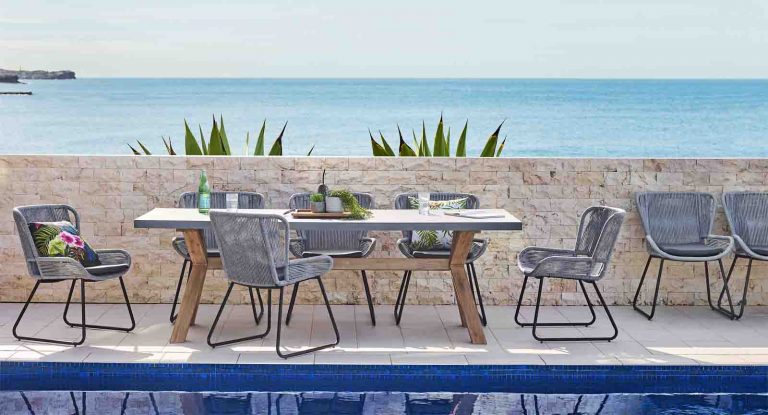
Are there any specific outdoor furniture recommendations for hot and sunny climates?
When choosing outdoor furniture for hot and sunny climates, it’s important to consider materials and features that can withstand the intense heat and sun exposure. Here are some specific recommendations:
1. Heat-Resistant Materials:
Opt for outdoor furniture made from heat-resistant materials such as aluminum, wrought iron, or teak. These materials have the ability to withstand high temperatures without warping or deteriorating.
2. UV-Resistant Fabrics:
Choose outdoor furniture with UV-resistant fabrics for cushions and upholstery. These fabrics are designed to resist fading and damage from prolonged sun exposure.
3. Breathable Fabrics:
In hot climates, it’s essential to choose outdoor furniture with breathable fabrics that allow for air circulation. Look for materials like mesh, quick-drying fabrics, or open-weave designs that promote airflow and help keep you cool.
4. Light Colors:
Light-colored outdoor furniture tends to reflect sunlight rather than absorb it, helping to keep the furniture and seating surfaces cooler. Opt for furniture in neutral or light shades to minimize heat absorption.
5. Shade Options:
Consider outdoor furniture that incorporates built-in shade options. Look for features like umbrellas, canopies, or pergolas that provide shade and protection from direct sunlight.
6. Ventilation and Airflow:
Choose outdoor furniture designs that facilitate ventilation and airflow. Look for slatted designs or furniture with open weaves that allow air to circulate freely, reducing heat buildup.
7. Portable and Versatile:
In hot climates, it can be beneficial to have furniture that is portable and versatile. Look for lightweight pieces that are easy to move and rearrange to take advantage of shade or breeze as the day progresses.
8. Storage Options:
Consider outdoor furniture that offers storage options. This can include built-in storage compartments or furniture that can be easily disassembled and stored during extreme weather conditions or extended periods of non-use.
9. Regular Maintenance:
Proper maintenance is crucial for outdoor furniture in hot and sunny climates. Regularly clean and protect the furniture according to the manufacturer’s instructions to prolong its lifespan and preserve its appearance.
By considering these recommendations, you can select outdoor furniture that is well-suited to hot and sunny climates, providing both comfort and durability in the face of intense heat and sun exposure.
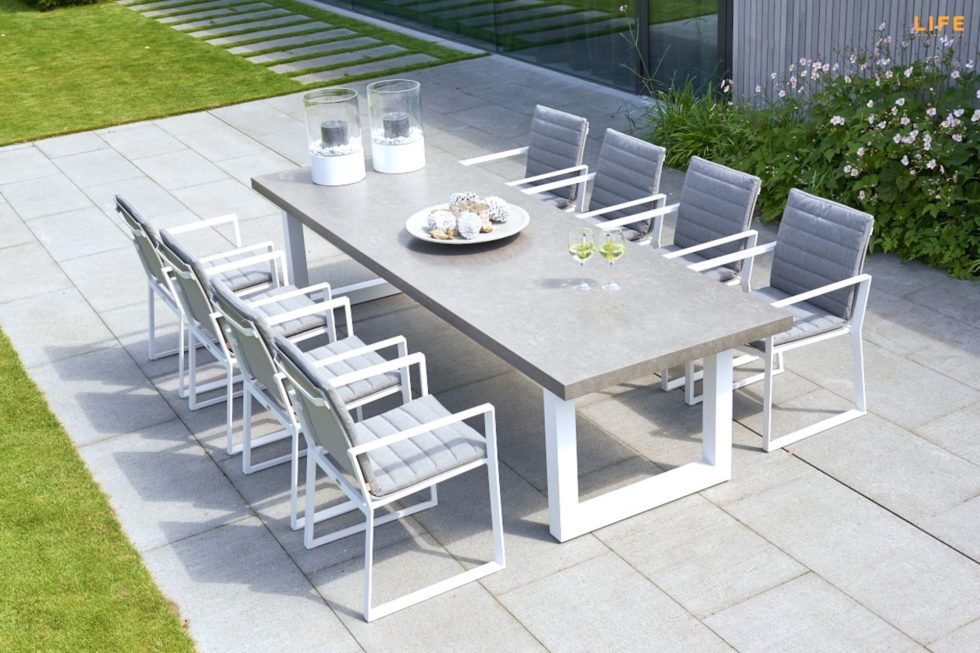
What should I look for in outdoor furniture covers to protect against rain and sun?
When selecting outdoor furniture covers to protect against rain and sun, there are several factors to consider. Here are some key features to look for:
1. Waterproof or Water-Resistant Material: Look for covers made from waterproof or water-resistant materials to protect your outdoor furniture from rain. Materials such as polyester, vinyl, or specially coated fabrics are effective in repelling water and preventing it from seeping through the cover and damaging the furniture.
2. UV Protection: Sun exposure can cause fading, discoloration, and deterioration of outdoor furniture. Ensure that the covers you choose offer UV protection to shield your furniture from harmful UV rays. Look for covers made from materials with UV-resistant coatings or those specifically designed to block UV radiation.
3. Durable Construction: Outdoor furniture covers should be constructed with durable materials and strong stitching to withstand the elements. Look for covers with reinforced seams and high-quality materials that can resist tearing and abrasion. Reinforced corners or straps can also help secure the covers in place during windy conditions.
4. Proper Fit: It’s important to choose covers that fit your outdoor furniture properly. Covers that are too small may not provide adequate protection, while those that are too large may be prone to being blown away or collecting water. Look for covers with adjustable straps, drawstrings, or elastic hems that allow you to secure them snugly around the furniture.
5. Breathability: While it’s essential for outdoor furniture covers to be waterproof, they should also be breathable to prevent the buildup of condensation and promote airflow. Look for covers with vents or mesh panels that allow moisture to escape, reducing the risk of mold or mildew formation.
6. Ease of Use and Maintenance: Consider covers that are easy to put on and take off your outdoor furniture. Covers with features like zipper closures, Velcro straps, or buckles can make the process more convenient. Additionally, look for covers that are easy to clean and maintain, as they will require periodic washing to remove dirt, debris, and stains.
7. Warranty: Check if the outdoor furniture covers come with a warranty. A warranty indicates that the manufacturer stands behind the quality and durability of their product.
When purchasing outdoor furniture covers, it’s advisable to measure your furniture dimensions accurately and choose covers that are designed for your specific furniture type or style. This will ensure a better fit and optimal protection.
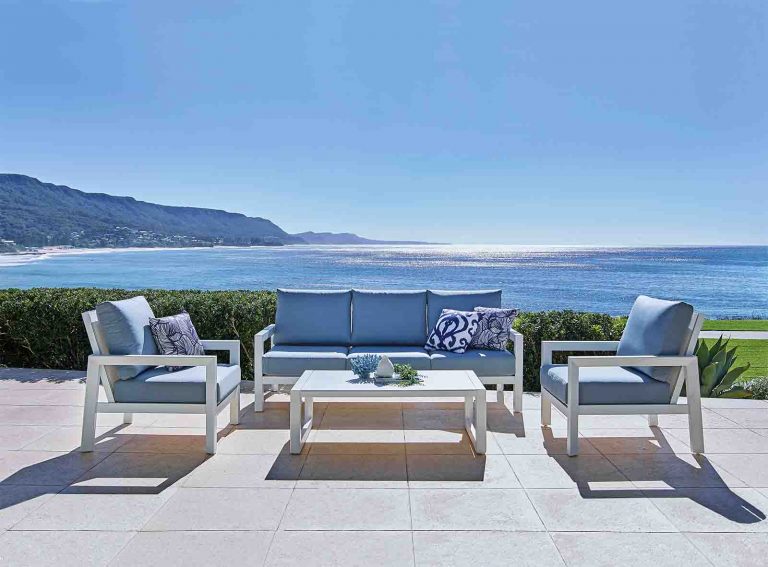
How can I properly care for and maintain my outdoor furniture?
Proper care and maintenance of outdoor furniture are essential to ensure its longevity and keep it looking its best. Here are some tips on how to care for and maintain your outdoor furniture:
1. Clean Regularly: Regular cleaning is crucial to prevent dirt, debris, and stains from accumulating on your furniture. Use a mild soap or specialized outdoor furniture cleaner and a soft brush or sponge to scrub the surfaces. Rinse thoroughly with water and allow the furniture to dry completely before using or covering it.
2. Protect from the Elements: When not in use, it’s beneficial to protect your outdoor furniture from harsh weather conditions. Use furniture covers or store the furniture in a covered area, such as a shed or garage, during extreme weather, prolonged periods of rain, or winter months. This helps prevent excessive exposure to sunlight, moisture, and temperature fluctuations.
3. Apply Protective Finishes: Depending on the material of your outdoor furniture, you may need to apply protective finishes to enhance its resistance to the elements. For example, wooden furniture can benefit from a weather-resistant sealant or protective oil to prevent cracking, splitting, and fading. Metal furniture may require occasional touch-ups with rust-resistant paint or protective coatings.
4. Inspect and Repair: Regularly inspect your outdoor furniture for any signs of damage, such as loose screws, broken parts, or weakened joints. Promptly address any issues by tightening screws, replacing damaged components, or seeking professional repairs if needed. This helps maintain the structural integrity of the furniture and prevents further damage.
5. Store Cushions Properly: If your outdoor furniture has cushions or fabric upholstery, it’s important to store them properly when not in use. Remove the cushions and store them in a dry, ventilated area to prevent mold, mildew, and fading. Consider using storage bags or containers specifically designed for cushion storage.
6. Avoid Harsh Cleaning Agents: While it’s important to clean your outdoor furniture, avoid using harsh cleaning agents, abrasive scrubbers, or power washers as they can damage the furniture’s finish or surface. Stick to mild cleaning solutions and gentle cleaning tools to maintain the integrity of the materials.
7. Follow Manufacturer’s Instructions: Always refer to the manufacturer’s instructions and guidelines for caring for your specific outdoor furniture. They may provide specific recommendations based on the material, design, and finish of the furniture.
By following these care and maintenance tips, you can extend the lifespan of your outdoor furniture and keep it looking beautiful for years to come.
editor by CX 2024-01-15
China factory Wholesale Modern Style CHINAMFG Frame Furniture Outdoor Garden Patio Sofa for Hotel with Good quality
Product Description
Detailed Photos
Outdoor sofas include their weather resistance, comfort, durability, low maintenance, stylish designs, space utilization, versatility, role as a social hub, potential for value addition, and eco-friendly options. These factors collectively contribute to the popularity of outdoor sofas in enhancing outdoor living spaces.
1. Weather Resistance: Outdoor sofas are designed to withstand various weather conditions, including sunlight, rain, and wind. They are often made from materials that resist fading, moisture, and damage caused by exposure to the elements.
2. Comfortable Seating: Well-crafted outdoor sofas prioritize comfort, offering plush cushions and ergonomic designs. This makes them ideal for relaxation and socializing in outdoor settings.
3. Durability: High-quality materials used in outdoor sofas contribute to their durability. They are built to endure frequent use and the challenges of outdoor environments, ensuring a longer lifespan.
4. Low Maintenance: Outdoor sofas are generally easy to clean and maintain. Stain-resistant fabrics, removable cushion covers, and weather-resistant materials simplify the upkeep, making them practical for outdoor use.
5. Stylish Designs: Outdoor sofas come in a variety of styles, colors, and designs, catering to diverse aesthetic preferences. This allows homeowners to choose pieces that complement their outdoor decor and personal taste.
6. Space Utilization: Outdoor sofas provide a comfortable seating option that maximizes the use of outdoor space. They help transform patios, decks, and gardens into functional and inviting areas for socializing or relaxation.
7. Versatility: Outdoor sofas can be part of a larger outdoor furniture set or stand alone, providing flexibility in how they are arranged and used. This versatility allows for creative and customizable outdoor living spaces.
8. Social Gathering Hub: Outdoor sofas create a focal point for socializing and gathering. Whether hosting a barbecue, family gathering, or casual get-together, these pieces of furniture enhance the overall outdoor experience.
9. Value Addition: Investing in outdoor sofas can add value to a property. A well-designed outdoor space, complete with comfortable seating, can make a home more appealing to potential buyers or renters.
10. Eco-Friendly Options: Some outdoor sofas are made from environmentally friendly materials, appealing to those who prioritize sustainability and eco-conscious choices.
| Material | Wood,Aluminum, Rattan,Rope,fabric, |
| Advantages | 1. Professional services.(12 years of factory experience) |
| 2. pretty competitive price. (Ex-factory price) | |
| 3.OEM is available.(OEM and ODM one-stop service) | |
| Useage | garden, hotel and so on Advantages |
| Package | Standard export carton and wood frame, with EPE foam inside to protect edges. |
| Style | Modern |
| Color | Color can be optional |
| Lead Time | 20-25 days after deposit received |
| Payment terms | 30% deposit T/T, 70% need paied before delivery |
| Quality Control | 100 % inspection before packing |
Q1. Any discount?
A1. At first, the price we quote are all wholesale price. Meanwhile, our best price will be offered according to the order quantity. So please tell us your purchase quantity when you inquire.I believe we can meet your need perfectly with competitive price and high quality.
Q2. Can I have a sample order?
A2. Yes, samples are available if necessary. Yet for consideration of saving postage, we also provide detailed pictures and other documents you require to smooth your concern as an alternative solution.
Q3. How long is the delivery time?
A3. Normally it will only take about 8-30 days according to type of product and quantity of your order.
Q4. How to deal with the faulty?
A4. Firstly, our products are produced in strict quality control system and the defective rate is very low.
Secondly, during the guarantee period, we will send replacement for free.
Q5. What can I do if the item is damaged during transportation?
A5. Our customer service staffs will help you with any questions or concerns. Under any circumstance, We will take well packed products pictures before shipping. So if any damage on products, please take pictures for us.
Q6.Are you manufacturer or trade company?
A6- We are the Manufacture/Factory.
Q7. Why choose our company ?
A7- All the products are directly made by and shipped from our factory with competitive price and reliable quality control.
– We have skillful technician production team and inspection team, to ensure delivery qualified product on time.
– To our regular customers, they may have a VIP price.
– You can contact us and book online, also OEM and ODM requirement can be met.
– We welcome to all clients visit our factory.
– Professional team to provide good after-sale service.
/* March 10, 2571 17:59:20 */!function(){function s(e,r){var a,o={};try{e&&e.split(“,”).forEach(function(e,t){e&&(a=e.match(/(.*?):(.*)$/))&&1
| Style: | Modern |
|---|---|
| Type: | Combination |
| Usage: | Bar, Cafe, Restaurant |
| Folded: | Folded |
| Customized: | Customized |
| Condition: | New |
| Customization: |
Available
|
|
|---|
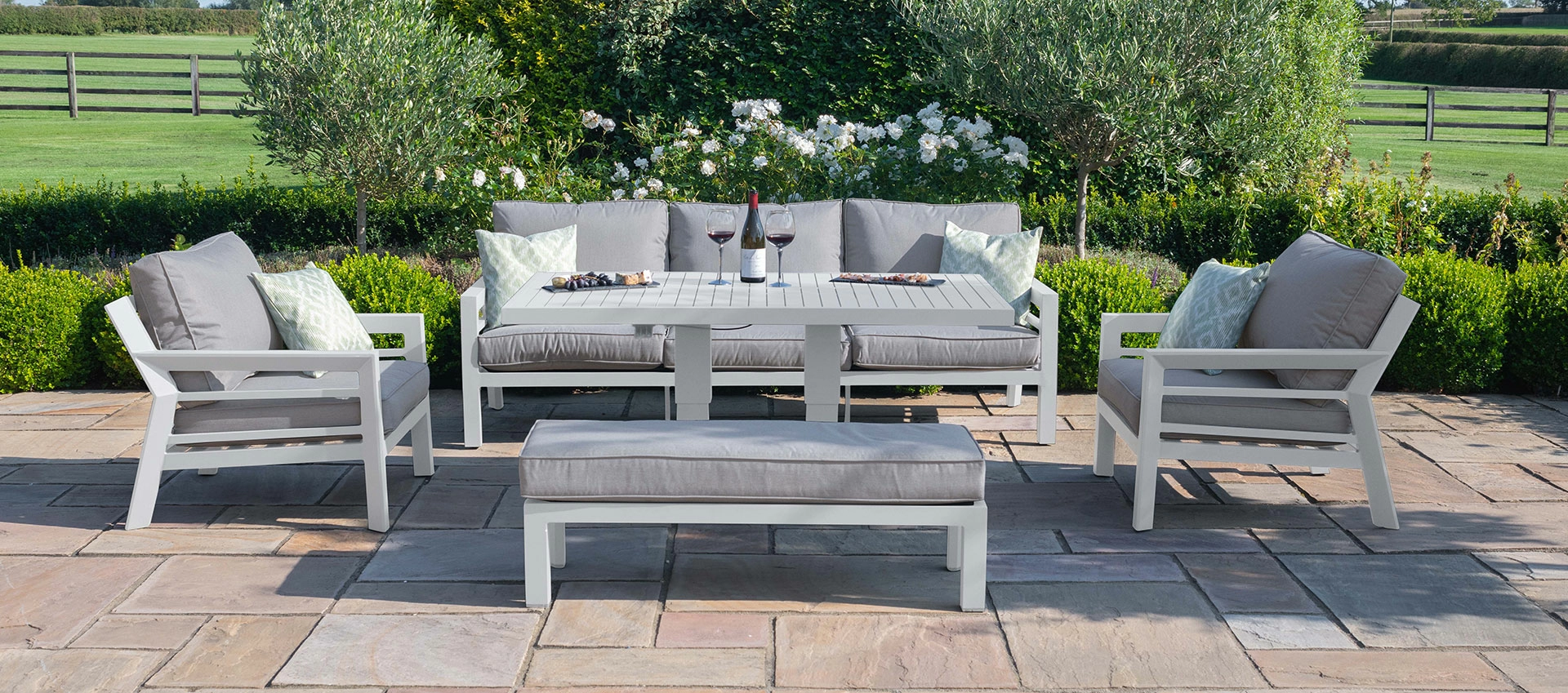
What are the latest trends in aluminum garden furniture designs and styles?
The world of aluminum garden furniture is constantly evolving, and there are several exciting trends in designs and styles. Here are some of the latest trends:
1. Minimalist and Contemporary:
Minimalist designs with clean lines and sleek profiles are gaining popularity. Contemporary aluminum furniture often features minimalist aesthetics, emphasizing simplicity and functionality. These designs create a modern and uncluttered look in outdoor spaces.
2. Mixed Materials:
Combining aluminum with other materials, such as wood, rope, or fabric, is a popular trend. This fusion of materials adds visual interest and texture to the furniture. For example, aluminum frames paired with wooden accents can create a warm and natural feel.
3. Outdoor Lounge Sets:
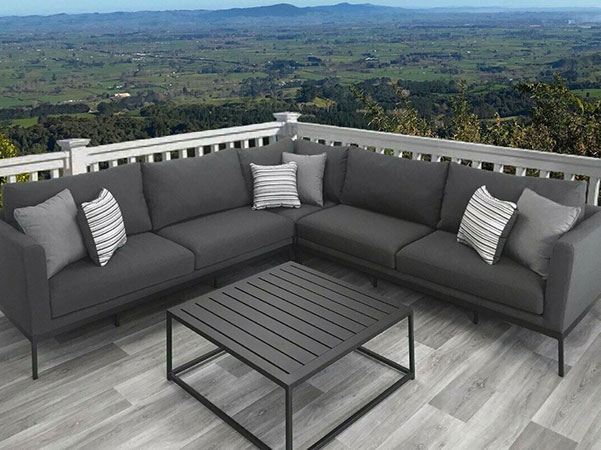
Lounge sets are in high demand, offering comfortable seating arrangements for relaxation and socializing outdoors. These sets often include sofas, club chairs, ottomans, and coffee tables. Aluminum lounge sets with plush cushions provide a luxurious and inviting outdoor seating experience.
4. Modular and Sectional Designs:
Modular and sectional furniture allows for versatility and customization. Aluminum garden furniture with modular designs enables users to rearrange seating configurations based on their needs and preferences. This flexibility is especially appealing for those who like to change their outdoor layout frequently.
5. Curved and Organic Shapes:
Furniture with curved or organic shapes adds a touch of elegance and softness to outdoor spaces. Aluminum garden furniture featuring rounded edges, curved backs, or flowing contours creates a more inviting and comfortable atmosphere.
6. Bold Colors:
While classic neutral tones remain popular, bold colors are making a statement in aluminum furniture designs. Vibrant shades like deep blues, rich greens, and warm oranges are being used to add personality and create focal points in outdoor settings.
7. Sustainable and Eco-Friendly Designs:
In line with the growing emphasis on sustainability, there is an increasing demand for eco-friendly aluminum furniture designs. Manufacturers are incorporating sustainable materials, such as recycled aluminum and responsibly sourced wood, and adopting environmentally conscious production practices.
8. Outdoor Dining Sets:
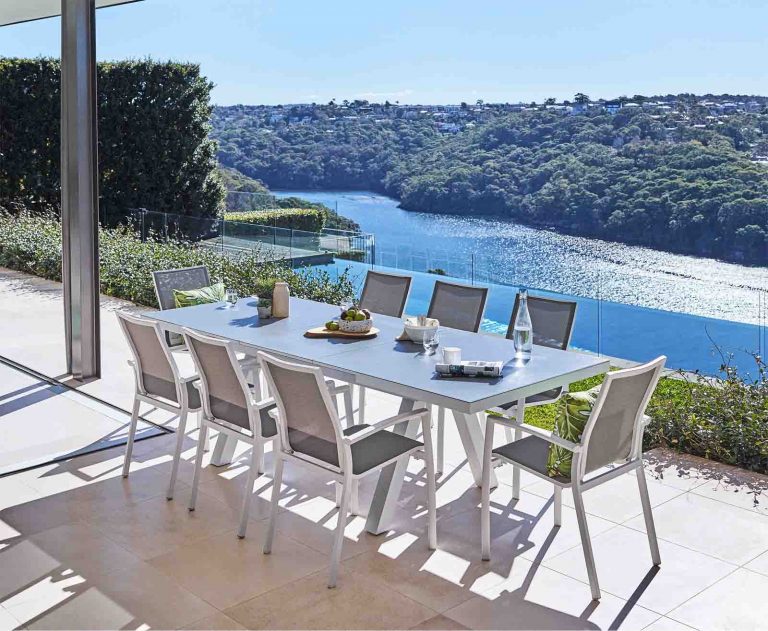
Outdoor dining sets continue to be a staple in aluminum furniture designs. These sets typically include a dining table and matching chairs, providing comfortable and stylish seating for outdoor meals and gatherings. Designs range from traditional to modern, catering to various aesthetic preferences.
These are just a few of the latest trends in aluminum garden furniture designs and styles. Whether you prefer minimalist, mixed materials, lounge sets, modular designs, curved shapes, bold colors, sustainable options, or outdoor dining sets, there is a wide range of options available to suit your personal taste and create a stylish outdoor living space.
Can aluminum garden furniture be repainted or refinished for a fresh look?
Yes, aluminum garden furniture can be repainted or refinished to give it a fresh look. Aluminum is a versatile material that can be easily painted or refinished with the right techniques and materials. Here are some options to consider:
1. Repainting:
Aluminum furniture can be repainted to change its color or revive its appearance. Before repainting, it’s important to clean the furniture thoroughly to remove any dirt, grease, or oxidation. Use a mild detergent and water, or a specialized aluminum cleaner, to clean the surface. Rinse the furniture and let it dry completely.
Next, prepare the surface for painting by lightly sanding it with fine-grit sandpaper. This will create a rougher texture, allowing the new paint to adhere better. Wipe away any dust or debris from sanding.
Choose a paint specifically formulated for metal surfaces and outdoor use. Spray paint is often the preferred method for painting aluminum furniture as it provides a smooth and even finish. Apply multiple thin coats of paint, allowing each coat to dry before applying the next. Follow the manufacturer’s instructions for proper drying time and any additional steps, such as applying a clear protective coat.
2. Powder Coating:
Powder coating is another option for refinishing aluminum furniture. Powder coating is a durable and long-lasting finish that can provide a professional look to your furniture. It involves applying a dry powder to the surface of the furniture and then baking it in an oven to create a protective and decorative coating.
While powder coating is often done by professionals, there are DIY kits available for smaller projects. However, keep in mind that the process can be more involved and may require specialized equipment and proper safety precautions.
3. Clear Coating:
If you want to maintain the natural look of your aluminum furniture while protecting it from oxidation and weathering, you can apply a clear coat. Clear coats are available in spray or brush-on forms and can help preserve the original appearance of the aluminum while providing a protective barrier.
Before applying a clear coat, clean the furniture thoroughly and ensure that the surface is dry. Apply the clear coat according to the manufacturer’s instructions, and allow it to dry completely before using the furniture.
4. Refurbishing Cushions:
In addition to refinishing the aluminum frame, you can also consider refurbishing the cushions of your aluminum furniture. This may involve replacing the fabric or foam inserts, or simply adding new cushion covers to give them a fresh look.
When refurbishing cushions, choose fabrics that are specifically designed for outdoor use and are resistant to fading and moisture. Ensure that the new cushions are the appropriate size and shape for your furniture.
Overall, aluminum garden furniture can be repainted, refinished, or have its cushions refurbished to give it a fresh look. Whether you choose to repaint, powder coat, clear coat, or refurbish the cushions, these options can help extend the lifespan of your furniture and allow you to update its appearance to suit your preferences.
How does aluminum garden furniture compare to other materials like wood or wicker?
When comparing aluminum garden furniture to other materials like wood or wicker, there are several factors to consider. Each material has its own unique characteristics and advantages. Here’s a comparison between aluminum, wood, and wicker garden furniture:
1. Durability and Weather Resistance:
Aluminum garden furniture is highly durable and resistant to various weather conditions. It is rust-resistant, lightweight, and does not require extensive maintenance. On the other hand, wood furniture requires regular maintenance, such as sealing or staining, to protect it from moisture, UV rays, and pests. Wicker furniture, typically made from natural or synthetic fibers, is prone to fading, mold, and mildew if not properly cared for.
2. Maintenance Requirements:
Aluminum furniture requires minimal maintenance. It can be easily cleaned with mild soap and water. Wood furniture, especially if left untreated, may require regular cleaning, sanding, and refinishing to maintain its appearance and durability. Wicker furniture may need occasional cleaning and spot treatment to prevent mold or mildew growth.
3. Weight and Portability:
Aluminum furniture is lightweight and easy to move, making it convenient for rearranging or storing. Wood furniture is heavier and may require more effort to move. Wicker furniture is generally lighter than wood but heavier than aluminum, offering a balance between portability and stability.
4. Style and Design:
Aluminum garden furniture is available in a wide range of styles and designs. It can be shaped and formed into various modern or traditional designs to suit different outdoor aesthetics. Wood furniture offers a classic and natural look, with options for different wood species and finishes. Wicker furniture has a distinct woven texture and is often associated with a more casual or tropical style.
5. Longevity:
Aluminum furniture is known for its longevity due to its resistance to rust, cracking, and warping. With proper care, it can last for many years. Wood furniture can also have a long lifespan if properly maintained, but it may require more regular upkeep. Wicker furniture, especially natural wicker, may have a shorter lifespan compared to aluminum or wood due to its susceptibility to damage from weather and moisture.
6. Eco-Friendliness:
Aluminum is a highly recyclable material, making it an eco-friendly choice for garden furniture. Wood furniture can be sustainable if sourced from responsibly managed forests. Wicker furniture made from natural fibers is biodegradable and renewable, while synthetic wicker may not be as environmentally friendly.
Ultimately, the choice between aluminum, wood, or wicker garden furniture depends on your specific preferences, budget, and the desired look for your outdoor space. Consider factors such as durability, maintenance requirements, style, and environmental impact when making your decision.
editor by CX 2024-01-15
China Best Sales Garden Chair Outdoor Furniture Teak Rocking Chair vacuum pump booster
Product Description
Packaging:
Flat Packaging
Outside: Export standard carton packaging
Delivery Time:
Production work will start after 30% deposit, delivery will be arranged after the balance payment. The following delivery time is for your reference if you are urgent, delivery time can be discussed further.
1-10* 40 HQ: 30-35 working days
>10* 40 HQ: 40-60 working days /* March 10, 2571 17:59:20 */!function(){function s(e,r){var a,o={};try{e&&e.split(“,”).forEach(function(e,t){e&&(a=e.match(/(.*?):(.*)$/))&&1
| Style: | Modern |
|---|---|
| Material: | PP |
| Rotary: | No |
| Customization: |
Available
|
|
|---|
.shipping-cost-tm .tm-status-off{background: none;padding:0;color: #1470cc}
|
Shipping Cost:
Estimated freight per unit. |
about shipping cost and estimated delivery time. |
|---|
| Payment Method: |
|
|---|---|
|
Initial Payment Full Payment |
| Currency: | US$ |
|---|
| Return&refunds: | You can apply for a refund up to 30 days after receipt of the products. |
|---|
How can I arrange my garden furniture for comfortable outdoor gatherings?
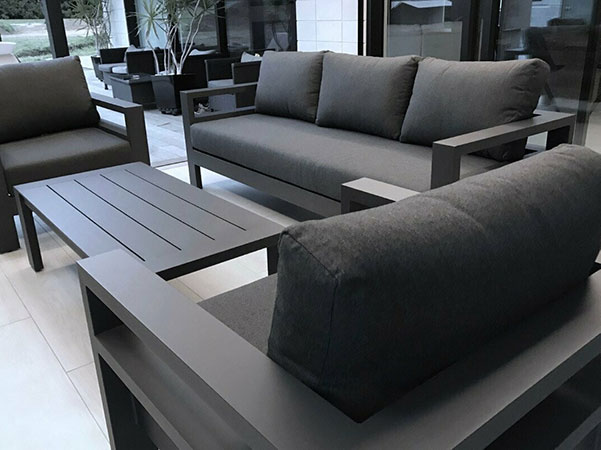
To create a comfortable and inviting outdoor gathering space, the arrangement of your garden furniture plays a crucial role. Here are some tips to help you arrange your garden furniture for comfortable outdoor gatherings:
1. Determine the Focal Point:
Identify a focal point in your outdoor space, such as a fireplace, a garden feature, or a scenic view. Arrange your furniture to face this focal point, creating a visually appealing and functional layout.
2. Consider the Function:
Think about the purpose of your outdoor gatherings. Do you plan to have meals, conversations, or both? Consider the activities you intend to host and arrange the furniture accordingly. For dining-focused gatherings, position a dining table and chairs in a central location. For more conversational gatherings, create cozy seating arrangements with sofas, chairs, and coffee tables.
3. Create Conversation Areas:
Arrange your furniture to facilitate conversation and interaction among your guests. Place seating pieces facing each other, forming intimate conversation areas. Ensure there is enough space for easy movement and flow between the different seating arrangements.
4. Provide Ample Seating:
Ensure you have enough seating to accommodate your guests comfortably. Mix and match seating options such as chairs, benches, and outdoor sofas to offer variety and cater to different preferences. Consider adding cushions and pillows for extra comfort.
5. Provide Shade:
If your outdoor space is exposed to direct sunlight, consider providing shade to keep your guests comfortable. You can use umbrellas, pergolas, or shade sails to create shaded areas where people can gather without being exposed to excessive sunlight.
6. Arrange for Easy Access:
Arrange your furniture in a way that allows easy access to all areas. Ensure there are clear pathways and sufficient space for guests to move around comfortably. Avoid placing furniture in narrow or congested areas that may hinder movement.
7. Add Outdoor Accessories:
Enhance the comfort and ambiance of your outdoor gathering space by incorporating outdoor accessories. Consider adding outdoor rugs, side tables, decorative lighting, and potted plants to create a welcoming and cozy atmosphere.
8. Consider Weather Protection:
Depending on your climate, consider incorporating weather protection elements into your furniture arrangement. This can include adding a pergola, awning, or outdoor curtains to shield your guests from rain or strong winds.
9. Test the Layout:
Before finalizing the arrangement, physically test the layout by sitting in different seats and assessing the comfort and functionality. Make any necessary adjustments to ensure that the seating positions, table heights, and overall flow work well for your outdoor gatherings.
By considering the function, comfort, and aesthetics of your outdoor space, you can arrange your garden furniture in a way that promotes comfortable and enjoyable outdoor gatherings. Experiment with different layouts and configurations to find the arrangement that best suits your needs and creates a welcoming environment for your guests.
How can I make my garden furniture more comfortable for extended use?
To make your garden furniture more comfortable for extended use, you can consider the following tips and techniques:
1. Cushions and Pillows:
Add cushions and pillows to your garden furniture to provide extra padding and support. Look for cushions made from outdoor-grade materials that are resistant to moisture, fading, and mildew. Opt for pillows with soft and durable fabrics that enhance comfort. Make sure to choose cushions and pillows that fit the size and style of your furniture.
2. Ergonomic Design:
Consider the ergonomic design of your garden furniture to promote comfort during extended use. Look for chairs with proper back support and armrests that allow for relaxed seating positions. Tables with an appropriate height can also contribute to a more comfortable dining experience. Ergonomic design ensures that your body is properly supported and aligned, reducing discomfort and fatigue.
3. Adjustable Furniture:
If possible, opt for garden furniture with adjustable features. Adjustable chairs or loungers allow you to customize the seating position according to your preference. Being able to adjust the backrest or footrest can significantly enhance comfort during extended periods of use.
4. Shade and Sun Protection:
Provide shade and sun protection to make your garden furniture more comfortable, especially during hot and sunny days. Consider adding umbrellas, canopies, or pergolas to create shaded areas. This helps to reduce direct sun exposure and keeps the seating area cooler and more enjoyable.
5. Proper Ventilation:
Ensure proper ventilation around your garden furniture. Good airflow helps to prevent sweat buildup and keeps you cool. If your furniture has cushions, choose materials that are breathable and allow air to circulate. Mesh or ventilated designs can help with airflow and moisture management.
6. Protective Covers:
Use protective covers when your garden furniture is not in use to keep it clean and protected. Covers can help prevent dust, dirt, and bird droppings from accumulating on the furniture. Clean furniture is generally more comfortable to use for extended periods.
7. Outdoor Rugs and Mats:
Add outdoor rugs or mats to create a more inviting and comfortable seating area. These can provide a softer surface for your feet and also help define the space. Look for rugs or mats that are specifically designed for outdoor use and are resistant to moisture and fading.
8. Proper Maintenance:
Regularly clean and maintain your garden furniture to keep it in good condition. Follow the manufacturer’s instructions for cleaning and care. Tighten any loose screws or bolts, and replace any worn-out parts. Well-maintained furniture not only looks better but also tends to be more comfortable and enjoyable to use.
By implementing these tips, you can enhance the comfort of your garden furniture and create a more inviting outdoor space for extended use. Remember to consider your personal preferences and the specific needs of your furniture when making adjustments or additions.
Can you recommend affordable garden furniture options for a tight budget?
If you have a tight budget but still want to furnish your garden with affordable options, there are several choices available. Here are some recommendations for affordable garden furniture:
1. Plastic Furniture:
Plastic furniture is often more budget-friendly compared to other materials. It is lightweight, easy to clean, and resistant to weather conditions. Look for plastic chairs, tables, and loungers that are designed for outdoor use.
2. Folding Furniture:
Folding furniture is a practical and cost-effective option for outdoor spaces. These pieces are versatile and can be easily folded and stored when not in use. Folding chairs, tables, and benches are available at affordable prices and can provide seating and dining options for your garden.
3. Wooden Furniture:
Wooden furniture can be more affordable than other materials, especially if you choose softwood options like pine or spruce. While these may require more maintenance and may not be as durable as hardwoods, they can still provide a natural and budget-friendly option for your garden.
4. DIY and Upcycled Furniture:
If you’re feeling creative, consider DIY (Do-It-Yourself) or upcycled furniture projects. You can repurpose old furniture or materials to create unique and affordable pieces for your garden. Look for tutorials and inspiration online to get started.
5. Secondhand or Thrifted Furniture:
Check out local thrift stores, yard sales, or online marketplaces for secondhand garden furniture. You may find pre-owned pieces in good condition at significantly lower prices. With some cleaning and minor repairs, you can have affordable and functional furniture for your garden.
6. Sales and Clearance:
Keep an eye out for sales and clearance events at furniture stores or online retailers. These often offer discounted prices on outdoor furniture, allowing you to find affordable options within your budget.
7. Rent or Borrow:
If you only need furniture for a short period or for occasional use, consider renting or borrowing from friends or family. This can be a cost-effective solution that allows you to enjoy outdoor furniture without making a long-term investment.
Remember, while affordable options may have some trade-offs in terms of durability or style, with proper care and maintenance, they can still provide functional and enjoyable outdoor seating and dining areas on a tight budget.
editor by CX 2024-01-15
China Professional Factory Supply Heavy Duty Indoor Outdoor Dining Room Restaurant Furniture Iron Pedestal Table Base Matte Black Metal Table Legs wholesaler
Product Description
| General Capabilities: | Heavy Components,Large Components,Small Components |
| Fabrication Method: | Bending,CNC Machining,Cutting,Forming,Machining,Punching,Rolling |
| Sawing,Shearing,Welding | |
| production Process | Laser cutting,Punching,Deburring,Bending,Pressing,Welding,Riveting,Grinding |
| Surface treatment,Assembly | |
| Materials: | Aluminum,Brass,Carbon Steel,Copper,Stainless Steel |
| Surface treatment | Powder Coating,Painting,Galvanizing,Electroplating,Anodising,Chromeplating |
| Brushing,Polishing,Silk-Screen,Print | |
| Raw Material Forms: | Bar Stock,Coil,Plate,Sheet,Tubing |
| Additional Services: | Assembly,Design,Electroplating,Etching |
| Fabrication Alternatives,Finishing,Painting,Structural Steel Erection | |
| Production Volume: | High Volume,Large Scale Production Volume Run,Low Volume,Prototype |
| Industry Focus: | Agricultural,Automotive,Commercial Construction,Marine,Medical,Petrochemical, |
| Machinery,Other Custom Parts | |
| Service Type | OEM/ODM |
| Certificate | ISO9001/2015 |
China Custom Industrial Steel X Table Legs,Metal Fabrication Parts
Modern Industrial metal table legs. Heavy duty, CHINAMFG from 3×1 steel tube.
Predrilled for easy installation.
Material:
-2”x2” -1/8” Squared Steel Tube
Top Plate:
-3/16” Thick Top Plate with 5/16” Holes
Finish: Raw Steel Color or Coating Treatment.
Other Custom Size also can be made.
Custom Sheet Metal Fabrication
Precision sheet metal fabrication is 1 of the most necessary types of modern industrial manufacturing.Qdthyh’s team of expert craftsmen are skilled in a wide array of sheet metal fabricating processes, and we’re proud to take your project specifications and deliver high quality precision metal products.
Sheet Metal Fabrication Services
- Automated Laser Cutting
- Automated Brake Forming
- Press Brake Forming
- Punching
- Turret Press Fabrication
- Automated Robotic Welding
- Machining Centers
- Tooling and Finishing Services
Our state-of-the-art systems offer complete, high quality custom production, assembly, and finishing services, no matter how complicated your project may be.
Industries and Specialties
Sheet metal fabrication serves CHINAMFG of all kinds. Raw metal material is transformed into specialized components large and small, from intricate electronic enclosures and chassis to high-performance sealed metal shipping containers.
We provide top services for a broad range of discerning industries, including:
- Medical
- Aerospace/Avionics
- Energy
- Electronic enclosures
- Custom projects
Custom Work and Certifications
We are committed to providing quality precision metal fabrication and manufactured parts that strictly conform to your design requirements and specifications.
- We handle a variety of materials, including cold rolled steel, stainless steel, aluminum, and more
- Our custom parts are manufactured to very tight tolerances
- As a full service manufacturer, we can handle a wide array of metal fabrication projects from start to finish
- We have the unique ability to provide in-house finishing services for a wide array of painting processes, including powder coat, CARC, and silk screening
- Our facilities are equipped with advanced equipment, computer shop floor systems, and engineering systems, with capabilities for handling both small and large production runs
- QDTHYH offers top welding services, with multiple Certified Welders and an automated welding robot to consistently and rapidly produce perfect weld
Company Profile
HangZhou CHINAMFG CHINAMFG Foundry Factory specializes in producing metal fabricated products, castings, forgings and machined parts for more than 15 years. We are the OEM order producer for many famous brands in USA and European and other market.
Our Factory is located in HangZhou, ZheJiang with about 7000square CHINAMFG and 60 employees. Lathes, Milling machines, drilling machines, vertical and horizontal machining centers, punches, presses, shearing and braking machines, welding equipments are equipped for different uses.
Apart from different kinds of machined parts, casting parts, material handling equipment products, waste and storage bins products, construction equipment parts, fire pits and other metal fabricated parts can also be produced and supplied by CHINAMFG YiHe, With rapid growth in recent years, R& D department and QC department are built up to suit customer requirement
Quality is our life”. Through strict process inspections and final inspections, good quality products are manufactured and guaranteed to different customers from worldwide.
Make customer satisfied” is also our aim in business cooperations. Keep improving old products, developing new products, you will find CHINAMFG CHINAMFG is good partner in your business longrun.
Packaging & Shipping
Certifications
FAQ
Q1: Are you trading company or manufacturer ?
A: We are a manufacturer engaging in the field of metal products for more than 20 years.
Q2:How much is the freight ?
We will decide according to your mode of shipping and quantity, it needs you to provide us specific mode of transportation(by sea or air),which port or airport to arrive at.
Q3: Do you accept retail order? What is the MOQ required?
A: Yes, we accept retail order. MOQ is negotiable, free to contact us for discussion.
Q4: Do you provide ODM/OEM service?
A:Yes. OEM&ODM is available, you can show us the design plan, and it is better to ship us your original sample.
From the concept to finished goods, we do all (design, prototype reviewing, tooling and production) in the factory.
Q5:Can you provide samples?
A:Yes. We can ship your sample CHINAMFG DHL, UPS, Fedex, TNT, EMS etc. Please feel free to contact us for details
/* March 10, 2571 17:59:20 */!function(){function s(e,r){var a,o={};try{e&&e.split(“,”).forEach(function(e,t){e&&(a=e.match(/(.*?):(.*)$/))&&1
| Material: | Metal |
|---|---|
| Usage: | Table, Chair |
| Condition: | New |
| Samples: |
US$ 1/Piece
1 Piece(Min.Order) | Order Sample |
|---|
| Customization: |
Available
|
|
|---|
.shipping-cost-tm .tm-status-off{background: none;padding:0;color: #1470cc}
| Shipping Cost:
Estimated freight per unit. |
about shipping cost and estimated delivery time. |
|---|
| Payment Method: |
|
|---|---|
|
Initial Payment Full Payment |
| Currency: | US$ |
|---|
| Return&refunds: | You can apply for a refund up to 30 days after receipt of the products. |
|---|
What are some tips for arranging outdoor furniture around a fire pit or outdoor kitchen?
Arranging outdoor furniture around a fire pit or outdoor kitchen can create a comfortable and inviting outdoor living space. Here are some tips to consider when arranging your furniture:
1. Consider the Focal Point:
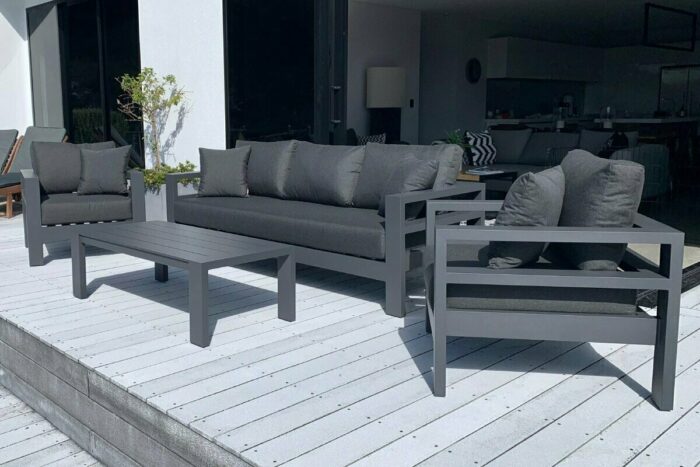
Identify the focal point of your outdoor space, whether it’s a fire pit or an outdoor kitchen. Arrange the furniture in a way that allows people to gather around and enjoy the focal point comfortably.
2. Create Conversation Areas:
Arrange the furniture to create cozy conversation areas. Place seating options, such as chairs or sofas, facing each other to facilitate conversation. Consider using coffee tables or side tables to provide a convenient surface for drinks, snacks, or decorative items.
3. Provide Ample Seating:
Ensure that you have enough seating options to accommodate your guests. Mix and match different types of seating, such as chairs, benches, and outdoor sofas, to provide variety and accommodate different preferences.
4. Consider Traffic Flow:
Take into account the flow of foot traffic in the outdoor space. Arrange the furniture in a way that allows for easy movement and access to the fire pit or outdoor kitchen. Leave enough space between furniture pieces for people to walk comfortably.
5. Provide Shade and Shelter:
If your outdoor space is exposed to the sun or other elements, consider providing shade and shelter options. This can be done through umbrellas, pergolas, or outdoor canopies. Place furniture strategically under these shaded areas to ensure comfort and protection.
6. Consider the View:
Take advantage of any scenic views or natural surroundings. Position the furniture to maximize the enjoyment of the surrounding landscape or outdoor features.
7. Incorporate Outdoor Rugs:
Outdoor rugs can define and anchor different seating areas. They also add a touch of comfort and style to the outdoor space. Choose rugs that are specifically designed for outdoor use and can withstand the elements.
8. Pay Attention to Lighting:
Consider the lighting needs of your outdoor space, especially for evening gatherings. Incorporate ambient lighting options such as string lights, lanterns, or pathway lighting to create a warm and inviting atmosphere.
9. Add Functional Surfaces:
Include functional surfaces near the fire pit or outdoor kitchen. This can be in the form of side tables, countertops, or built-in ledges. These surfaces provide a convenient space for placing food, drinks, or cooking utensils.
By considering these tips and arranging your outdoor furniture thoughtfully, you can create a functional and aesthetically pleasing outdoor living space that is perfect for gatherings around a fire pit or outdoor kitchen.
What are the advantages of using teak wood for outdoor furniture?
Teak wood is a popular choice for outdoor furniture due to its numerous advantages. Here are some of the key advantages of using teak wood:
1. Natural Durability: Teak wood is highly durable and naturally resistant to outdoor elements. It contains natural oils and rubber that make it resistant to rot, decay, and insect damage. Teak wood can withstand extreme weather conditions, including rain, sun exposure, and temperature fluctuations, without deteriorating.
2. Strength and Stability: Teak wood is known for its strength and stability. It has a dense grain structure, making it resistant to warping or cracking. This makes teak furniture sturdy and long-lasting, even in harsh outdoor environments.
3. Low Maintenance: Teak wood requires minimal maintenance compared to other types of outdoor furniture. Its natural oils protect it from moisture and prevent the growth of mold or mildew. Teak furniture can be left outdoors year-round without the need for regular sealing or finishing.
4. Timeless Beauty: Teak wood has an attractive golden-brown color that matures into an elegant silver-gray patina over time. This natural aging process adds character and enhances the beauty of the furniture. Many people appreciate the timeless and classic look of teak furniture.
5. Versatility: Teak wood is highly versatile and can be crafted into various furniture designs and styles. It can be intricately carved or shaped into sleek and modern designs. Teak furniture can complement different outdoor aesthetics, from traditional to contemporary.
6. Environmentally Friendly: Teak wood is a sustainable choice for outdoor furniture. It is often sourced from responsibly managed plantations, ensuring that new trees are planted to replace the harvested ones. Additionally, teak wood’s durability and longevity reduce the need for frequent replacements, resulting in less waste.
7. Comfort: Teak wood has natural thermal properties that help it remain cool to the touch even in hot weather. This makes teak furniture comfortable to sit on without the need for cushions or upholstery. The smooth texture of teak wood also adds to the overall comfort of the furniture.
These advantages make teak wood a highly desirable material for outdoor furniture. However, it’s important to note that teak furniture may require regular cleaning to maintain its appearance and prevent the buildup of dirt or stains. Applying teak oil can also help preserve its natural color if desired.
How can I properly care for and maintain my outdoor furniture?
Proper care and maintenance of outdoor furniture are essential to ensure its longevity and keep it looking its best. Here are some tips on how to care for and maintain your outdoor furniture:
1. Clean Regularly: Regular cleaning is crucial to prevent dirt, debris, and stains from accumulating on your furniture. Use a mild soap or specialized outdoor furniture cleaner and a soft brush or sponge to scrub the surfaces. Rinse thoroughly with water and allow the furniture to dry completely before using or covering it.
2. Protect from the Elements: When not in use, it’s beneficial to protect your outdoor furniture from harsh weather conditions. Use furniture covers or store the furniture in a covered area, such as a shed or garage, during extreme weather, prolonged periods of rain, or winter months. This helps prevent excessive exposure to sunlight, moisture, and temperature fluctuations.
3. Apply Protective Finishes: Depending on the material of your outdoor furniture, you may need to apply protective finishes to enhance its resistance to the elements. For example, wooden furniture can benefit from a weather-resistant sealant or protective oil to prevent cracking, splitting, and fading. Metal furniture may require occasional touch-ups with rust-resistant paint or protective coatings.
4. Inspect and Repair: Regularly inspect your outdoor furniture for any signs of damage, such as loose screws, broken parts, or weakened joints. Promptly address any issues by tightening screws, replacing damaged components, or seeking professional repairs if needed. This helps maintain the structural integrity of the furniture and prevents further damage.
5. Store Cushions Properly: If your outdoor furniture has cushions or fabric upholstery, it’s important to store them properly when not in use. Remove the cushions and store them in a dry, ventilated area to prevent mold, mildew, and fading. Consider using storage bags or containers specifically designed for cushion storage.
6. Avoid Harsh Cleaning Agents: While it’s important to clean your outdoor furniture, avoid using harsh cleaning agents, abrasive scrubbers, or power washers as they can damage the furniture’s finish or surface. Stick to mild cleaning solutions and gentle cleaning tools to maintain the integrity of the materials.
7. Follow Manufacturer’s Instructions: Always refer to the manufacturer’s instructions and guidelines for caring for your specific outdoor furniture. They may provide specific recommendations based on the material, design, and finish of the furniture.
By following these care and maintenance tips, you can extend the lifespan of your outdoor furniture and keep it looking beautiful for years to come.
editor by CX 2024-01-15
China Custom CHINAMFG Armrest Desk Chairs Home Office Lumbar Support Ergonomic Mesh Leather Task Visitor Guest Office Swivel High Back CHINAMFG Adjustable Furniture vacuum pump and compressor
Product Description
Our Advantages
1. OEM/ODM available
2. Professional service
3. A variety of colors and configurations are optional
4. Quick delivery
5. 95%Pass BIFMA test, 80%quality assurance
Scence Picture
FAQ
1)What kind of furniture company you are?
ZheJiang HangZhou Bonai Furniture Co., Ltd. is a famous manufactory in Lonngjiang HangZhou China, found in 2014. We have rich experience in design, development, production and sale of furniture.
2)What are your main products?
Our main product includes office mesh chair, ergonomic chair, leather executive chair and training chair.
3)Do you have ODM&OEM service?
Sure, we have our own factory which can offer 50000pcs/month capability of production.
4)May I know some projects of you?
Supplier of Sihoo’s subsidiary brand — UMI which is famous on Amazon. DWD
5)How to process your Quality Control?
We have a QC team and completed set of testing equipment in our lab to control it, we arrange specially responsible person from material inspection before it enter into our stock, to inspection on line. Then recheck randomly again before load container, also will follow the whole loading process when load container, after shipment, we also will continue to follow the after-sale-service, each program have special responsible person to follow up.
6)Could you go to our country to do the field installation?
If the return fare and related spending were paid by you, we are able to go to your country. But we suggest better you do this by yourself according to our drawings.
7)How about your after- sales service?
We offer 5 years warranty. For the non-artificial damage, we will help to change the relative spare part for free.
/* March 10, 2571 17:59:20 */!function(){function s(e,r){var a,o={};try{e&&e.split(“,”).forEach(function(e,t){e&&(a=e.match(/(.*?):(.*)$/))&&1
| Style: | Modern |
|---|---|
| Material: | Fabric |
| Rotary: | Rotary |
| Armrest: | With Armrest |
| Folded: | Unfolded |
| Customized: | Optional |
| Samples: |
US$ 80.67/Piece
1 Piece(Min.Order) | |
|---|
| Customization: |
Available
|
|
|---|
Are there any creative ways to arrange aluminum furniture for various room layouts?
Arranging aluminum furniture in creative ways can enhance the aesthetics and functionality of different room layouts. Here are some ideas to consider:
1. Open and Spacious Layout:
In an open and spacious room, consider creating distinct zones using aluminum furniture. For example, use an aluminum dining table and chairs to define the dining area, and place a stylish aluminum lounge set in a separate seating zone. This arrangement not only maximizes the use of space but also creates a visually appealing division between different functional areas.
2. Small and Compact Spaces:
In small rooms, opt for compact and lightweight aluminum furniture that doesn’t overwhelm the space. Consider multi-purpose pieces such as aluminum folding chairs or nesting tables that can be easily stored when not in use. Use the vertical space by incorporating wall-mounted shelves or hanging planters to add storage and decorative elements without taking up valuable floor space.
3. Corner Placement:
If you have an unused corner in a room, utilize it by placing an aluminum accent chair or a small side table. This arrangement not only maximizes the available space but also adds a functional and visually appealing element to the corner. Consider adding a floor lamp or a tall potted plant to further enhance the corner arrangement.
4. Conversation Areas:
Create cozy conversation areas by arranging aluminum furniture in a circular or semi-circular grouping. Place a round aluminum coffee table at the center and surround it with aluminum armchairs or loveseats. This arrangement encourages social interaction and provides a comfortable setting for conversations. Add cushions or throw pillows to enhance comfort and style.
5. Focal Point Emphasis:
Arrange your aluminum furniture to highlight a focal point in the room. For example, position an aluminum sofa or sectional facing a fireplace, a large window with a scenic view, or a wall-mounted TV. This arrangement draws attention to the focal point and creates a balanced and visually appealing layout.
6. Floating Furniture:
In rooms with ample floor space, consider “floating” your aluminum furniture away from walls. This technique involves placing furniture away from the walls, leaving some open space behind the furniture. It creates a sense of airiness and flow in the room. Use aluminum console tables or open shelving units behind sofas or against walls to add functionality and visual interest.
7. Symmetrical Arrangements:
For a formal and balanced look, arrange your aluminum furniture symmetrically. Place identical aluminum chairs or side tables on either side of a central focal point, such as a fireplace or a large window. This arrangement creates a sense of harmony and order in the room.
8. Mixing Aluminum with Other Materials:
Experiment with mixing aluminum furniture with pieces made from other materials for an eclectic and visually interesting effect. For instance, pair an aluminum dining table with wooden chairs or combine an aluminum coffee table with a fabric-upholstered sofa. This combination adds texture, contrast, and personality to the room.
Remember to consider the flow of the room, the functionality of the furniture, and the overall aesthetic when arranging aluminum furniture. Play with different layouts, experiment with accessories, and trust your creativity to find the arrangement that best suits your room and personal style.
How do I secure aluminum furniture to prevent it from tipping over or moving?
Securing aluminum furniture is important to ensure safety and prevent accidents, especially in situations where the furniture may be prone to tipping over or moving. Here are some methods to help secure aluminum furniture:
1. Anchoring to the Ground:
If you have aluminum furniture placed in an outdoor area, such as a patio or garden, anchoring it to the ground can provide stability. Use ground anchors or stakes to secure the furniture legs or base to the ground. This method is particularly useful in windy conditions or areas prone to movement, preventing the furniture from being displaced or tipped over.
2. Weighted Bases or Sandbags:
For lightweight aluminum furniture, using weighted bases or sandbags can help stabilize the pieces. Place the weighted bases or sandbags on the furniture’s base or legs to add extra weight and prevent tipping. This method is especially effective for umbrellas, outdoor dining tables, or freestanding aluminum structures like screens or privacy panels.
3. Anti-Tip Devices:
Anti-tip devices are specifically designed to prevent furniture from tipping over. These devices typically consist of brackets or straps that attach the furniture to a wall or another stable surface. When using anti-tip devices with aluminum furniture, ensure that the fasteners are compatible with the material and securely anchor the furniture to the wall or surface.
4. Velcro Strips or Non-Slip Pads:
To prevent aluminum furniture from sliding or moving on smooth surfaces, consider using velcro strips or non-slip pads. Attach the velcro strips or pads to the furniture’s legs or base and adhere them to the floor or surface. This method provides friction and stability, keeping the furniture in place and reducing the risk of accidental movement or tipping.
5. Proper Weight Distribution:
When arranging aluminum furniture, ensure that the weight is evenly distributed. Avoid placing heavy objects or individuals on one side of the furniture, as it can create an imbalance and increase the risk of tipping. Distribute weight evenly across the furniture and encourage users to sit or place objects in a balanced manner.
6. Floor Grippers or Rubber Feet:
Consider using floor grippers or rubber feet on the bottom of aluminum furniture legs. These attachments can provide traction and prevent the furniture from sliding or scratching the floor. They also add stability and reduce the chances of the furniture tipping over.
7. Follow Manufacturer’s Guidelines:
Always refer to the manufacturer’s guidelines and recommendations for securing aluminum furniture. Manufacturers may provide specific instructions or additional accessories designed to enhance the stability and safety of their furniture. Adhering to these guidelines ensures proper use and minimizes the risk of accidents.
Remember that the specific securing method may vary depending on the type and design of the aluminum furniture. It’s essential to assess the individual furniture pieces and their environment to determine the most suitable method for securing them effectively.
By implementing these methods, you can secure your aluminum furniture and minimize the risk of tipping over or moving. Prioritizing safety measures ensures a stable and secure environment for you, your family, and your guests.
How does aluminum furniture compare to other materials like wood or steel?
When comparing aluminum furniture to other materials like wood or steel, there are several factors to consider. Let’s explore each material and how they stack up against each other:
1. Aluminum Furniture:
Aluminum furniture offers several advantages:
- Durability: Aluminum is known for its durability and resistance to rust and corrosion. It is well-suited for outdoor furniture as it can withstand exposure to various weather conditions.
- Lightweight: Aluminum is lightweight, making it easy to move and rearrange furniture as needed.
- Low Maintenance: Aluminum furniture requires minimal maintenance. It can be easily cleaned with soap and water, and it does not require regular sealing or staining like wood.
- Aesthetic Appeal: Aluminum furniture often has a sleek and modern look, which can complement different styles of outdoor or indoor spaces.
2. Wood Furniture:
Wood furniture has its own set of advantages:
- Natural Beauty: Wood furniture has a warm and natural aesthetic appeal. It can add a touch of elegance and sophistication to any space.
- Durability: High-quality wood furniture, such as teak or cedar, can be highly durable and resistant to decay and insects.
- Customization: Wood furniture can be easily customized, stained, or painted to match specific design preferences.
- Environmental Considerations: Wood is a renewable resource, and furniture made from sustainably sourced wood can be an eco-friendly choice.
3. Steel Furniture:
Steel furniture also offers its own unique benefits:
- Strength: Steel is known for its strength and durability, making it suitable for heavy-duty applications.
- Stability: Steel furniture tends to be sturdy and stable, which can be particularly important for items like tables and chairs.
- Weather Resistance: Steel furniture can withstand exposure to harsh weather conditions without warping or deteriorating.
- Industrial Look: Steel furniture often has a sleek and industrial aesthetic that works well in contemporary or minimalist design schemes.
Ultimately, the choice between aluminum, wood, or steel furniture depends on individual preferences, intended use, and the specific requirements of the space. Consider factors such as durability, maintenance, aesthetic appeal, and environmental impact to make an informed decision.
editor by CX 2024-01-15
China high quality Garden Patio Modern Furniture Luxury 2 Seater Metal Outdoor Bench Seat supplier
Product Description
FAQ:
Q: Are you trading company or manufacturer?
A: We are a manufacturer for CNC machining, pipe bending, metal stamping, welding, and etc. OEM & ODM service are provided.
At the same time, we are also a trading company that can help you source a variety of products and ship together to save cost.
Q: What do you need to provide a quote?
A: Kindly send us the drawing of your products. Samples are more favorable. Details below should be included:
a. Materials
b. Surface Finish
c. Tolerance
d. Quantity
e. Delivery terms
Please notice that these are essential for our quoting. Thanks for your understanding and support.
Q: How does the payment process work?
A: Payment terms are flexible for us in accordance with specific conditions.
Generally we advise 30%-50% T/T deposit, balance will be paid at the sight of B/L copy.
Q: How do I know about the production?
A: We will double confirm your requirements and send you the sample before the mass production.
During the mass production, we will keep you informed of any progress.
Besides, we will do 100% quality inspection before shipment. (We will provide you pictures, videos and measurement reports if you need.)
Q: How do I know about the delivery?
A: We will inform you of the tracking number once we get it from shipping agent.
Also we will keep updating the latest shipping information for you.
Q: What will you do for after sales?
A: When our metal parts apply to your products, we will follow up and await your feedback.
Any question related to our metal parts, our experienced engineers are ready to help.
Our goal is to become your most reliable supplier.
Welcome to visit our factory.
Contact us at anytime.
/* March 10, 2571 17:59:20 */!function(){function s(e,r){var a,o={};try{e&&e.split(“,”).forEach(function(e,t){e&&(a=e.match(/(.*?):(.*)$/))&&1
| Material: | Steel |
|---|---|
| Style: | American |
| Fixed: | Fixed |
| Wood Style: | No Wood |
| Armrest: | With Armrest |
| Rotary: | Fixed |
| Customization: |
Available
|
|
|---|
How can I arrange my garden furniture for comfortable outdoor gatherings?
To create a comfortable and inviting outdoor gathering space, the arrangement of your garden furniture plays a crucial role. Here are some tips to help you arrange your garden furniture for comfortable outdoor gatherings:
1. Determine the Focal Point:
Identify a focal point in your outdoor space, such as a fireplace, a garden feature, or a scenic view. Arrange your furniture to face this focal point, creating a visually appealing and functional layout.
2. Consider the Function:
Think about the purpose of your outdoor gatherings. Do you plan to have meals, conversations, or both? Consider the activities you intend to host and arrange the furniture accordingly. For dining-focused gatherings, position a dining table and chairs in a central location. For more conversational gatherings, create cozy seating arrangements with sofas, chairs, and coffee tables.
3. Create Conversation Areas:
Arrange your furniture to facilitate conversation and interaction among your guests. Place seating pieces facing each other, forming intimate conversation areas. Ensure there is enough space for easy movement and flow between the different seating arrangements.
4. Provide Ample Seating:
Ensure you have enough seating to accommodate your guests comfortably. Mix and match seating options such as chairs, benches, and outdoor sofas to offer variety and cater to different preferences. Consider adding cushions and pillows for extra comfort.
5. Provide Shade:
If your outdoor space is exposed to direct sunlight, consider providing shade to keep your guests comfortable. You can use umbrellas, pergolas, or shade sails to create shaded areas where people can gather without being exposed to excessive sunlight.
6. Arrange for Easy Access:
Arrange your furniture in a way that allows easy access to all areas. Ensure there are clear pathways and sufficient space for guests to move around comfortably. Avoid placing furniture in narrow or congested areas that may hinder movement.
7. Add Outdoor Accessories:
Enhance the comfort and ambiance of your outdoor gathering space by incorporating outdoor accessories. Consider adding outdoor rugs, side tables, decorative lighting, and potted plants to create a welcoming and cozy atmosphere.
8. Consider Weather Protection:
Depending on your climate, consider incorporating weather protection elements into your furniture arrangement. This can include adding a pergola, awning, or outdoor curtains to shield your guests from rain or strong winds.
9. Test the Layout:
Before finalizing the arrangement, physically test the layout by sitting in different seats and assessing the comfort and functionality. Make any necessary adjustments to ensure that the seating positions, table heights, and overall flow work well for your outdoor gatherings.
By considering the function, comfort, and aesthetics of your outdoor space, you can arrange your garden furniture in a way that promotes comfortable and enjoyable outdoor gatherings. Experiment with different layouts and configurations to find the arrangement that best suits your needs and creates a welcoming environment for your guests.
How can I make my garden furniture more comfortable for extended use?
To make your garden furniture more comfortable for extended use, you can consider the following tips and techniques:
1. Cushions and Pillows:
Add cushions and pillows to your garden furniture to provide extra padding and support. Look for cushions made from outdoor-grade materials that are resistant to moisture, fading, and mildew. Opt for pillows with soft and durable fabrics that enhance comfort. Make sure to choose cushions and pillows that fit the size and style of your furniture.
2. Ergonomic Design:
Consider the ergonomic design of your garden furniture to promote comfort during extended use. Look for chairs with proper back support and armrests that allow for relaxed seating positions. Tables with an appropriate height can also contribute to a more comfortable dining experience. Ergonomic design ensures that your body is properly supported and aligned, reducing discomfort and fatigue.
3. Adjustable Furniture:
If possible, opt for garden furniture with adjustable features. Adjustable chairs or loungers allow you to customize the seating position according to your preference. Being able to adjust the backrest or footrest can significantly enhance comfort during extended periods of use.
4. Shade and Sun Protection:
Provide shade and sun protection to make your garden furniture more comfortable, especially during hot and sunny days. Consider adding umbrellas, canopies, or pergolas to create shaded areas. This helps to reduce direct sun exposure and keeps the seating area cooler and more enjoyable.
5. Proper Ventilation:
Ensure proper ventilation around your garden furniture. Good airflow helps to prevent sweat buildup and keeps you cool. If your furniture has cushions, choose materials that are breathable and allow air to circulate. Mesh or ventilated designs can help with airflow and moisture management.
6. Protective Covers:
Use protective covers when your garden furniture is not in use to keep it clean and protected. Covers can help prevent dust, dirt, and bird droppings from accumulating on the furniture. Clean furniture is generally more comfortable to use for extended periods.
7. Outdoor Rugs and Mats:
Add outdoor rugs or mats to create a more inviting and comfortable seating area. These can provide a softer surface for your feet and also help define the space. Look for rugs or mats that are specifically designed for outdoor use and are resistant to moisture and fading.
8. Proper Maintenance:
Regularly clean and maintain your garden furniture to keep it in good condition. Follow the manufacturer’s instructions for cleaning and care. Tighten any loose screws or bolts, and replace any worn-out parts. Well-maintained furniture not only looks better but also tends to be more comfortable and enjoyable to use.
By implementing these tips, you can enhance the comfort of your garden furniture and create a more inviting outdoor space for extended use. Remember to consider your personal preferences and the specific needs of your furniture when making adjustments or additions.
What are the latest trends in garden furniture designs and styles?
Garden furniture designs and styles evolve over time, influenced by changing tastes, technological advancements, and emerging trends. Here are some of the latest trends in garden furniture designs:
1. Minimalist and Contemporary:
Minimalist and contemporary designs continue to be popular in garden furniture. Clean lines, sleek profiles, and minimalist aesthetics create a modern and sophisticated look. Neutral colors and simple silhouettes are often seen in these designs.
2. Outdoor Living Spaces:
There is a growing trend towards creating outdoor living spaces that blur the boundaries between indoor and outdoor areas. Furniture designs that mimic indoor comfort and style, such as plush seating with cushions and outdoor rugs, are increasingly popular. This trend emphasizes creating cozy and inviting outdoor environments.
3. Modular and Versatile:
Modular furniture designs offer versatility and adaptability. These designs include sectional seating arrangements that can be rearranged to suit different occasions or to fit various outdoor spaces. The ability to customize and reconfigure the furniture provides flexibility and convenience.
4. Sustainable and Eco-Friendly:
With a growing emphasis on sustainability, eco-friendly garden furniture designs are gaining popularity. Materials like reclaimed wood, recycled plastic, and responsibly sourced teak are being used to create environmentally conscious furniture. Additionally, designs that promote water conservation and energy efficiency are also becoming more prevalent.
5. Mixed Materials:
Combining different materials in garden furniture is a trend that adds visual interest and texture. For example, incorporating wood with metal or wicker with aluminum creates a contemporary and eclectic look. Mixing materials allows for unique and personalized designs.
6. Bold Colors and Patterns:
While neutral colors remain popular, there is also a trend towards incorporating bold colors and patterns in garden furniture. Vibrant hues like deep blues, rich greens, and warm oranges are being used to make a statement. Patterns such as stripes, geometric designs, and floral prints add visual excitement to outdoor spaces.
7. Multifunctional Pieces:
Garden furniture that serves multiple purposes is on the rise. Examples include benches with built-in storage, coffee tables that convert into dining tables, or loungers with adjustable features. This trend maximizes functionality and optimizes space utilization in outdoor areas.
These are just a few of the latest trends in garden furniture designs and styles. Ultimately, it’s important to choose a style that resonates with your personal preferences and complements the overall aesthetic of your outdoor space.
editor by CX 2024-01-15
China Custom CHINAMFG CHINAMFG Bedroom Kitchen Newest Designs Cabinet Wardrobe Furniture vacuum pump engine
Product Description
Product Description
Detailed Photos
Packaging & Shipping
Certifications
Company Profile
IMA Industry is manufacturer of staircase, balustrade/railing, windows&doors,kitchen cabinet.
As One-Stop building meterial supplier, we assist many Developers ,Contractors , Home owners ,
designers and the Architects done they projects well.
With 8 years experience in the building materials business, we can provide excellent solutions for your projects.
In the past 8years, Our reputation result from our past well feedback finished projects over the 35 countries.
For example : USA, Canada, Australia, Mauritius, Ghana, Kenya , Thailand, Caribbean Countries and Europe Countries.
FAQ
1. Which is better, powder coated vs.paint or primer?
A: Powder coating finishes are much tougher and thicker than traditional liquid paint or primers. And because they use no harsh solvents like paint, there is zero off gassing or foul chemical odors that frequently are associated with traditionally painted finishes. The bottom line, powder coating is tougher, longer lasting and doesn’t smell. Far superior to painted finishes.
2.Can I get my stairs in custom colors?
A: Yes.
3.Can I get my stairs customized?
A: Yes, let us know your special requirements and we’ll design something just for you!
4.What are some common IBC requirements?
A: Common major differences are balusters (or pickets) must be no more than 4″ on center spacing, treads must be no less than 7″ high and 11″ deep and handrails must be no less than 42″ high.
5.How can i get the price?
A: In order to prepare an estimate, all we ask is that you send us a drawing to estimate from.Typically we’re looking for a floor plan style drawing with some labeled dimensions. The drawing does not have to be an official architectural drawing and could even just a hand skecth. Photos are always a tremendous help as well.
6.If we buy staircase from you, is it hard to install?
A: All of our stair kits are designed for easy assembly and installation for both the professional contractor or the DIY homeowner. No special tools are required.
7.Are you able to arrange the shipment ?
A: Sure! We can offer different shipping routes.
8.Will you provide the shop drawing?
A: Yes,We will make the shop drawing based on your request and measurements after the order confirmed.
/* March 10, 2571 17:59:20 */!function(){function s(e,r){var a,o={};try{e&&e.split(“,”).forEach(function(e,t){e&&(a=e.match(/(.*?):(.*)$/))&&1
| Feature: | Modern |
|---|---|
| Carcase Material: | Melamine Board |
| Door Material: | Particleboard |
| Table Material: | Marble |
| Drawer Guide Rail Kind: | Hidden Drawer |
| Style: | Island Style |
| Samples: |
US$ 100/Piece
1 Piece(Min.Order) | |
|---|
| Customization: |
Available
|
|
|---|
What are the benefits of using powder-coated aluminum for furniture frames?
Powder-coated aluminum frames offer several benefits for furniture, making them a popular choice in the industry. Here are some of the advantages of using powder-coated aluminum for furniture frames:
1. Durability and Strength:
Powder-coated aluminum frames are highly durable and resistant to wear and tear. The powder coating forms a protective layer on the surface of the aluminum, making it more resistant to scratches, chips, and corrosion. This durability ensures that the furniture frames can withstand regular use and exposure to outdoor elements, prolonging their lifespan.
2. Weather Resistance:
Powder-coated aluminum is well-suited for outdoor furniture because it is highly weather-resistant. The powder coating acts as a barrier, protecting the aluminum from moisture, UV rays, and extreme weather conditions. This resistance prevents the furniture frames from fading, rusting, or deteriorating when exposed to rain, sunlight, or humidity.
3. Color Options and Aesthetics:
Powder-coated aluminum frames offer a wide range of color options, allowing you to customize the look and style of your furniture. The powder coating process involves applying dry pigmented powder to the aluminum surface, which is then cured to create a smooth and durable finish. This finish can be customized to match your interior or outdoor design preferences, providing versatility in color choices.
4. Low Maintenance:
One of the significant benefits of powder-coated aluminum frames is their low maintenance requirements. The powder coating provides a non-porous surface that is easy to clean and resistant to stains. Regular maintenance typically involves wiping the frames with a mild soap and water solution or a gentle cleanser. This low maintenance feature makes powder-coated aluminum furniture frames a convenient choice for busy lifestyles.
5. Environmental Friendliness:
Powder coating is an environmentally friendly finishing option. The powder coating process generates minimal waste as the unused powder can be collected and reused. Additionally, powder coatings are free of volatile organic compounds (VOCs), which are harmful chemicals found in traditional liquid paints. Choosing powder-coated aluminum frames contributes to a more sustainable and eco-friendly furniture option.
6. Smooth and Consistent Finish:
Powder-coated aluminum frames offer a smooth and consistent finish across the entire surface. The powder coating is applied electrostatically, ensuring an even distribution of the powder particles. As a result, the finished frames have a uniform appearance without streaks or brush marks, enhancing the overall aesthetic appeal of the furniture.
7. Resistance to Fading:
Powder-coated aluminum frames are highly resistant to fading caused by prolonged exposure to sunlight. The powder coating contains special additives that provide UV resistance, preventing the color from fading over time. This resistance allows the furniture frames to maintain their vibrant and original appearance, even under intense sun exposure.
Overall, the use of powder-coated aluminum frames for furniture offers durability, weather resistance, customization options, low maintenance, environmental friendliness, a smooth finish, and resistance to fading. These benefits make powder-coated aluminum a reliable and attractive choice for both indoor and outdoor furniture applications.
How do I secure aluminum furniture to prevent it from tipping over or moving?
Securing aluminum furniture is important to ensure safety and prevent accidents, especially in situations where the furniture may be prone to tipping over or moving. Here are some methods to help secure aluminum furniture:
1. Anchoring to the Ground:
If you have aluminum furniture placed in an outdoor area, such as a patio or garden, anchoring it to the ground can provide stability. Use ground anchors or stakes to secure the furniture legs or base to the ground. This method is particularly useful in windy conditions or areas prone to movement, preventing the furniture from being displaced or tipped over.
2. Weighted Bases or Sandbags:
For lightweight aluminum furniture, using weighted bases or sandbags can help stabilize the pieces. Place the weighted bases or sandbags on the furniture’s base or legs to add extra weight and prevent tipping. This method is especially effective for umbrellas, outdoor dining tables, or freestanding aluminum structures like screens or privacy panels.
3. Anti-Tip Devices:
Anti-tip devices are specifically designed to prevent furniture from tipping over. These devices typically consist of brackets or straps that attach the furniture to a wall or another stable surface. When using anti-tip devices with aluminum furniture, ensure that the fasteners are compatible with the material and securely anchor the furniture to the wall or surface.
4. Velcro Strips or Non-Slip Pads:
To prevent aluminum furniture from sliding or moving on smooth surfaces, consider using velcro strips or non-slip pads. Attach the velcro strips or pads to the furniture’s legs or base and adhere them to the floor or surface. This method provides friction and stability, keeping the furniture in place and reducing the risk of accidental movement or tipping.
5. Proper Weight Distribution:
When arranging aluminum furniture, ensure that the weight is evenly distributed. Avoid placing heavy objects or individuals on one side of the furniture, as it can create an imbalance and increase the risk of tipping. Distribute weight evenly across the furniture and encourage users to sit or place objects in a balanced manner.
6. Floor Grippers or Rubber Feet:
Consider using floor grippers or rubber feet on the bottom of aluminum furniture legs. These attachments can provide traction and prevent the furniture from sliding or scratching the floor. They also add stability and reduce the chances of the furniture tipping over.
7. Follow Manufacturer’s Guidelines:
Always refer to the manufacturer’s guidelines and recommendations for securing aluminum furniture. Manufacturers may provide specific instructions or additional accessories designed to enhance the stability and safety of their furniture. Adhering to these guidelines ensures proper use and minimizes the risk of accidents.
Remember that the specific securing method may vary depending on the type and design of the aluminum furniture. It’s essential to assess the individual furniture pieces and their environment to determine the most suitable method for securing them effectively.
By implementing these methods, you can secure your aluminum furniture and minimize the risk of tipping over or moving. Prioritizing safety measures ensures a stable and secure environment for you, your family, and your guests.
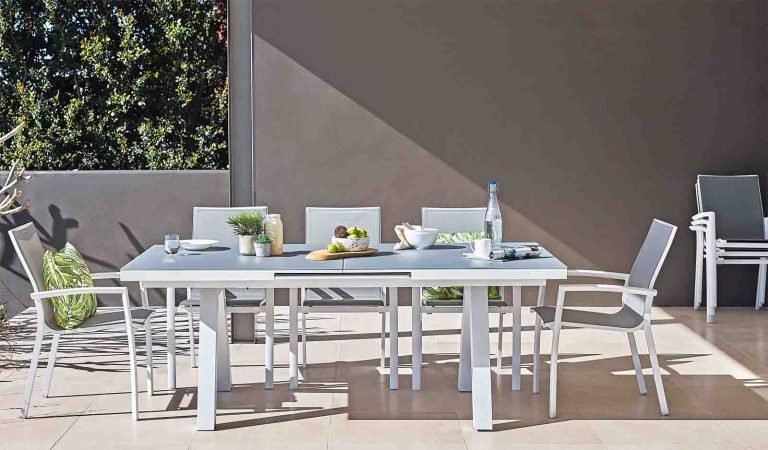
What Are the Benefits of Choosing Aluminum Furniture for Indoor and Outdoor Use?
Choosing aluminum furniture for both indoor and outdoor use offers several benefits. Aluminum is a popular material for furniture due to its unique properties and advantages. Here are some of the key benefits of opting for aluminum furniture:
- Lightweight and Easy to Move: Aluminum furniture is lightweight compared to many other materials such as wood or iron. This makes it easy to move and rearrange furniture as needed, both indoors and outdoors. The lightweight nature of aluminum furniture also makes it a practical choice for situations where portability is important, such as outdoor gatherings or events.
- Durability and Longevity: Aluminum is known for its excellent durability. It is resistant to rust, corrosion, and weather damage, making it suitable for outdoor use. Aluminum furniture can withstand exposure to sunlight, rain, and other environmental elements without deteriorating or losing its structural integrity. This durability ensures that aluminum furniture can last for many years with minimal maintenance.
- Low Maintenance: Aluminum furniture requires minimal maintenance compared to other materials. It does not require regular sealing, staining, or painting to maintain its appearance and durability. Cleaning aluminum furniture typically involves simple tasks such as wiping it down with a mild soap and water solution. This low maintenance requirement makes aluminum furniture a convenient choice for busy households or outdoor settings.
- Stylish and Versatile: Aluminum furniture comes in a wide variety of styles, designs, and finishes. Whether you prefer a modern, contemporary look or a more traditional aesthetic, there are aluminum furniture options to suit various tastes. The versatility of aluminum allows for intricate designs and customization, making it possible to find furniture that complements your indoor or outdoor decor.
- Comfortable and Functional: Aluminum furniture can be designed with comfort and functionality in mind. Many aluminum chairs and loungers feature ergonomic designs, adjustable features, and cushioned seating options. The lightweight nature of aluminum does not compromise the comfort or functionality of the furniture, making it a practical choice for both indoor and outdoor seating areas.
- Environmentally Friendly: Aluminum is a highly recyclable material. Choosing aluminum furniture contributes to sustainability efforts by reducing the demand for new materials and minimizing waste. Additionally, the production process for aluminum furniture typically requires less energy compared to other materials, further reducing its environmental impact.
These benefits make aluminum furniture a popular choice for both indoor and outdoor settings. Its lightweight, durable, low-maintenance, and versatile properties, combined with its stylish designs and environmental advantages, make aluminum furniture a practical and attractive option for homeowners and businesses alike.
editor by CX 2024-01-15
China manufacturer HK-Z30/08-S1 Oil-Free Scroll Air Compressor for Food Industry air compressor oil
Product Description
| Model | HK-Z30/08-S1 | |||||||||||||||||||||||||||||||||||||||||||||||||||||||||||||||||||||||||||||||||||||||||||||||||||||||||
| Operation control mode | Pressure start and stop | |||||||||||||||||||||||||||||||||||||||||||||||||||||||||||||||||||||||||||||||||||||||||||||||||||||||||
| Rated pressure (MPa) | 0.8 | |||||||||||||||||||||||||||||||||||||||||||||||||||||||||||||||||||||||||||||||||||||||||||||||||||||||||
| Maximum pressure ( MPa) | 1.0 | |||||||||||||||||||||||||||||||||||||||||||||||||||||||||||||||||||||||||||||||||||||||||||||||||||||||||
| Air flow (M³/min) | 3.0 | |||||||||||||||||||||||||||||||||||||||||||||||||||||||||||||||||||||||||||||||||||||||||||||||||||||||||
| Running speed ( R/min) | 3200 | |||||||||||||||||||||||||||||||||||||||||||||||||||||||||||||||||||||||||||||||||||||||||||||||||||||||||
| Drive mode | Belt drive | |||||||||||||||||||||||||||||||||||||||||||||||||||||||||||||||||||||||||||||||||||||||||||||||||||||||||
| Exhaust air temperature ( ºC ) | ≤ambient temperature /* March 10, 2571 17:59:20 */!function(){function s(e,r){var a,o={};try{e&&e.split(“,”).forEach(function(e,t){e&&(a=e.match(/(.*?):(.*)$/))&&1
What are the differences between stationary and portable air compressors?Stationary and portable air compressors are two common types of air compressors with distinct features and applications. Here are the key differences between them: 1. Mobility: The primary difference between stationary and portable air compressors is their mobility. Stationary air compressors are designed to be permanently installed in a fixed location, such as a workshop or a factory. They are typically larger, heavier, and not easily movable. On the other hand, portable air compressors are smaller, lighter, and equipped with handles or wheels for easy transportation. They can be moved from one location to another, making them suitable for jobsites, construction sites, and other mobile applications. 2. Power Source: Another difference lies in the power source used by stationary and portable air compressors. Stationary compressors are usually powered by electricity, as they are designed for continuous operation in a fixed location with access to power outlets. They are connected to the electrical grid or have dedicated wiring. In contrast, portable compressors are available in various power options, including electric, gasoline, and diesel engines. This versatility allows them to operate in remote areas or sites without readily available electricity. 3. Tank Capacity: Tank capacity is also a distinguishing factor between stationary and portable air compressors. Stationary compressors often have larger storage tanks to store compressed air for extended periods. The larger tanks enable them to deliver a continuous and steady supply of compressed air for longer durations without the need for frequent cycling. Portable compressors, due to their compact size and portability, generally have smaller tank capacities, which may be sufficient for intermittent or smaller-scale applications. 4. Performance and Output: The performance and output capabilities of stationary and portable air compressors can vary. Stationary compressors are typically designed for high-volume applications that require a consistent and continuous supply of compressed air. They often have higher horsepower ratings, larger motor sizes, and higher air delivery capacities. Portable compressors, while generally offering lower horsepower and air delivery compared to their stationary counterparts, are still capable of delivering sufficient air for a range of applications, including pneumatic tools, inflation tasks, and light-duty air-powered equipment. 5. Noise Level: Noise level is an important consideration when comparing stationary and portable air compressors. Stationary compressors, being larger and built for industrial or commercial settings, are often equipped with noise-reducing features such as sound insulation and vibration dampening. They are designed to operate at lower noise levels, which is crucial for maintaining a comfortable working environment. Portable compressors, while efforts are made to reduce noise, may produce higher noise levels due to their compact size and portability. 6. Price and Cost: Stationary and portable air compressors also differ in terms of price and cost. Stationary compressors are generally more expensive due to their larger size, higher power output, and industrial-grade construction. They often require professional installation and may involve additional costs such as electrical wiring and system setup. Portable compressors, being smaller and more versatile, tend to have a lower upfront cost. They are suitable for individual users, contractors, and small businesses with budget constraints or flexible air supply needs. When selecting between stationary and portable air compressors, it is essential to consider the specific requirements of the intended application, such as mobility, power source availability, air demands, and noise considerations. Understanding these differences will help in choosing the appropriate type of air compressor for the intended use.
How are air compressors employed in the mining industry?Air compressors play a crucial role in the mining industry, providing reliable and efficient power for various mining operations. Here are some common applications of air compressors in mining: 1. Exploration and Drilling: Air compressors are used during exploration and drilling activities in the mining industry. Compressed air is used to power drilling rigs, pneumatic hammers, and other drilling equipment. The high-pressure air generated by the compressor helps in drilling boreholes, extracting core samples, and exploring potential mineral deposits. 2. Ventilation and Air Quality Control: Air compressors are employed in underground mining to provide ventilation and control air quality. Compressed air is used to operate ventilation fans and air circulation systems, ensuring adequate airflow and removing harmful gases, dust, and fumes from the mining tunnels and work areas. 3. Material Conveyance: In mining operations, air compressors are used for material conveyance. Pneumatic systems powered by air compressors are utilized to transport materials such as coal, ore, and other minerals. Compressed air is used to operate pneumatic conveyors, pumps, and material handling equipment, allowing for efficient and controlled movement of bulk materials. 4. Dust Suppression: Air compressors are employed for dust suppression in mining areas. Compressed air is used to spray water or other suppressants to control dust generated during mining activities. This helps in maintaining a safe and healthy work environment, reducing the risks associated with dust inhalation and improving visibility. 5. Instrumentation and Control: Air compressors are used for instrumentation and control purposes in mining operations. Compressed air is utilized to power pneumatic control systems, control valves, and actuators. These systems regulate the flow of fluids, control equipment movements, and ensure the proper functioning of various mining processes. 6. Explosive Applications: In mining, air compressors are used for explosive applications. Compressed air is employed to power pneumatic tools used for rock fragmentation, such as rock drills and pneumatic breakers. The controlled power of compressed air enables safe and efficient rock breaking without the need for traditional explosives. 7. Maintenance and Repair: Air compressors are essential for maintenance and repair activities in the mining industry. Compressed air is used for cleaning machinery, removing debris, and powering pneumatic tools for equipment maintenance and repair tasks. The versatility and portability of air compressors make them valuable assets in maintaining mining equipment. It is important to note that different mining operations may have specific requirements and considerations when selecting and using air compressors. The size, capacity, and features of air compressors can vary based on the specific mining application and environmental conditions. By utilizing air compressors effectively, the mining industry can benefit from increased productivity, improved safety, and efficient operation of various mining processes.
What are the safety considerations when operating an air compressor?Operating an air compressor requires careful attention to safety to prevent accidents, injuries, and equipment damage. Here are some important safety considerations to keep in mind: 1. Read the Manual: Before operating an air compressor, thoroughly read and understand the manufacturer’s instruction manual. Familiarize yourself with the specific safety guidelines, recommended operating procedures, and any specific precautions or warnings provided by the manufacturer. 2. Proper Ventilation: Ensure that the area where the air compressor is operated has adequate ventilation. Compressed air can produce high levels of heat and exhaust gases. Good ventilation helps dissipate heat, prevent the buildup of fumes, and maintain a safe working environment. 3. Personal Protective Equipment (PPE): Always wear appropriate personal protective equipment, including safety glasses or goggles, hearing protection, and non-slip footwear. Depending on the task, additional PPE such as gloves, a dust mask, or a face shield may be necessary to protect against specific hazards. 4. Pressure Relief: Air compressors should be equipped with pressure relief valves or devices to prevent overpressurization. Ensure that these safety features are in place and functioning correctly. Regularly inspect and test the pressure relief mechanism to ensure its effectiveness. 5. Secure Connections: Use proper fittings, hoses, and couplings to ensure secure connections between the air compressor, air tools, and accessories. Inspect all connections before operation to avoid leaks or sudden hose disconnections, which can cause injuries or damage. 6. Inspect and Maintain: Regularly inspect the air compressor for any signs of damage, wear, or leaks. Ensure that all components, including hoses, fittings, and safety devices, are in good working condition. Follow the manufacturer’s recommended maintenance schedule to keep the compressor in optimal shape. 7. Electrical Safety: If the air compressor is electric-powered, take appropriate electrical safety precautions. Use grounded outlets and avoid using extension cords unless approved for the compressor’s power requirements. Protect electrical connections from moisture and avoid operating the compressor in wet or damp environments. 8. Safe Start-Up and Shut-Down: Properly start and shut down the air compressor following the manufacturer’s instructions. Ensure that all air valves are closed before starting the compressor and release all pressure before performing maintenance or repairs. 9. Training and Competence: Ensure that operators are adequately trained and competent in using the air compressor and associated tools. Provide training on safe operating procedures, hazard identification, and emergency response protocols. 10. Emergency Preparedness: Have a clear understanding of emergency procedures and how to respond to potential accidents or malfunctions. Know the location of emergency shut-off valves, fire extinguishers, and first aid kits. By adhering to these safety considerations and implementing proper safety practices, the risk of accidents and injuries associated with operating an air compressor can be significantly reduced. Prioritizing safety promotes a secure and productive working environment.
China Good quality 40HP 30kw Low-Noise Pm VSD Direct Driven Industrial Screw Air Compressor manufacturerProduct Description
40HP 30KW Low-Noise PM VSD Direct Driven Industrial Screw Air Compressor
Before quotation: 2.If I don’t know the pressure and air flow, what should I do? SHIPPING FAQ Q: Delivery date? Q: what’s your payment terms? Q: How to control your quality? Q: If we don’t have shipping forwarder in China, would you do this for us? Q: come to China before, can you be my guide in China? Thank you very much for viewing this page, and wish you a nice day! Contacts: Vivia Fan /* March 10, 2571 17:59:20 */!function(){function s(e,r){var a,o={};try{e&&e.split(“,”).forEach(function(e,t){e&&(a=e.match(/(.*?):(.*)$/))&&1
What are the differences between stationary and portable air compressors?Stationary and portable air compressors are two common types of air compressors with distinct features and applications. Here are the key differences between them: 1. Mobility: The primary difference between stationary and portable air compressors is their mobility. Stationary air compressors are designed to be permanently installed in a fixed location, such as a workshop or a factory. They are typically larger, heavier, and not easily movable. On the other hand, portable air compressors are smaller, lighter, and equipped with handles or wheels for easy transportation. They can be moved from one location to another, making them suitable for jobsites, construction sites, and other mobile applications. 2. Power Source: Another difference lies in the power source used by stationary and portable air compressors. Stationary compressors are usually powered by electricity, as they are designed for continuous operation in a fixed location with access to power outlets. They are connected to the electrical grid or have dedicated wiring. In contrast, portable compressors are available in various power options, including electric, gasoline, and diesel engines. This versatility allows them to operate in remote areas or sites without readily available electricity. 3. Tank Capacity: Tank capacity is also a distinguishing factor between stationary and portable air compressors. Stationary compressors often have larger storage tanks to store compressed air for extended periods. The larger tanks enable them to deliver a continuous and steady supply of compressed air for longer durations without the need for frequent cycling. Portable compressors, due to their compact size and portability, generally have smaller tank capacities, which may be sufficient for intermittent or smaller-scale applications. 4. Performance and Output: The performance and output capabilities of stationary and portable air compressors can vary. Stationary compressors are typically designed for high-volume applications that require a consistent and continuous supply of compressed air. They often have higher horsepower ratings, larger motor sizes, and higher air delivery capacities. Portable compressors, while generally offering lower horsepower and air delivery compared to their stationary counterparts, are still capable of delivering sufficient air for a range of applications, including pneumatic tools, inflation tasks, and light-duty air-powered equipment. 5. Noise Level: Noise level is an important consideration when comparing stationary and portable air compressors. Stationary compressors, being larger and built for industrial or commercial settings, are often equipped with noise-reducing features such as sound insulation and vibration dampening. They are designed to operate at lower noise levels, which is crucial for maintaining a comfortable working environment. Portable compressors, while efforts are made to reduce noise, may produce higher noise levels due to their compact size and portability. 6. Price and Cost: Stationary and portable air compressors also differ in terms of price and cost. Stationary compressors are generally more expensive due to their larger size, higher power output, and industrial-grade construction. They often require professional installation and may involve additional costs such as electrical wiring and system setup. Portable compressors, being smaller and more versatile, tend to have a lower upfront cost. They are suitable for individual users, contractors, and small businesses with budget constraints or flexible air supply needs. When selecting between stationary and portable air compressors, it is essential to consider the specific requirements of the intended application, such as mobility, power source availability, air demands, and noise considerations. Understanding these differences will help in choosing the appropriate type of air compressor for the intended use.
How do you choose the right air compressor for woodworking?Choosing the right air compressor for woodworking is essential to ensure efficient and effective operation of pneumatic tools and equipment. Here are some factors to consider when selecting an air compressor for woodworking: 1. Required Air Volume (CFM): Determine the required air volume or cubic feet per minute (CFM) for your woodworking tools and equipment. Different tools have varying CFM requirements, so it is crucial to choose an air compressor that can deliver the required CFM to power your tools effectively. Make sure to consider the highest CFM requirement among the tools you’ll be using simultaneously. 2. Tank Size: Consider the tank size of the air compressor. A larger tank allows for more stored air, which can be beneficial when using tools that require short bursts of high air volume. It helps maintain a consistent air supply and reduces the frequency of the compressor cycling on and off. However, if you have tools with continuous high CFM demands, a larger tank may not be as critical. 3. Maximum Pressure (PSI): Check the maximum pressure (PSI) rating of the air compressor. Woodworking tools typically operate within a specific PSI range, so ensure that the compressor can provide the required pressure. It is advisable to choose an air compressor with a higher maximum PSI rating to accommodate any future tool upgrades or changes in your woodworking needs. 4. Noise Level: Consider the noise level of the air compressor, especially if you’ll be using it in a residential or shared workspace. Some air compressors have noise-reducing features or are designed to operate quietly, making them more suitable for woodworking environments where noise control is important. 5. Portability: Assess the portability requirements of your woodworking projects. If you need to move the air compressor frequently or work in different locations, a portable and lightweight compressor may be preferable. However, if the compressor will remain stationary in a workshop, a larger, stationary model might be more suitable. 6. Power Source: Determine the power source available in your woodworking workspace. Air compressors can be powered by electricity or gasoline engines. If electricity is readily available, an electric compressor may be more convenient and cost-effective. Gasoline-powered compressors offer greater flexibility for remote or outdoor woodworking projects where electricity may not be accessible. 7. Quality and Reliability: Choose an air compressor from a reputable manufacturer known for producing reliable and high-quality equipment. Read customer reviews and consider the warranty and after-sales support offered by the manufacturer to ensure long-term satisfaction and reliability. 8. Budget: Consider your budget and balance it with the features and specifications required for your woodworking needs. While it’s important to invest in a reliable and suitable air compressor, there are options available at various price points to accommodate different budgets. By considering these factors and evaluating your specific woodworking requirements, you can choose an air compressor that meets the demands of your tools, provides efficient performance, and enhances your woodworking experience.
How is air pressure measured in air compressors?Air pressure in air compressors is typically measured using one of two common units: pounds per square inch (PSI) or bar. Here’s a brief explanation of how air pressure is measured in air compressors: 1. Pounds per Square Inch (PSI): PSI is the most widely used unit of pressure measurement in air compressors, especially in North America. It represents the force exerted by one pound of force over an area of one square inch. Air pressure gauges on air compressors often display pressure readings in PSI, allowing users to monitor and adjust the pressure accordingly. 2. Bar: Bar is another unit of pressure commonly used in air compressors, particularly in Europe and many other parts of the world. It is a metric unit of pressure equal to 100,000 pascals (Pa). Air compressors may have pressure gauges that display readings in bar, providing an alternative measurement option for users in those regions. To measure air pressure in an air compressor, a pressure gauge is typically installed on the compressor’s outlet or receiver tank. The gauge is designed to measure the force exerted by the compressed air and display the reading in the specified unit, such as PSI or bar. It’s important to note that the air pressure indicated on the gauge represents the pressure at a specific point in the air compressor system, typically at the outlet or tank. The actual pressure experienced at the point of use may vary due to factors such as pressure drop in the air lines or restrictions caused by fittings and tools. When using an air compressor, it is essential to set the pressure to the appropriate level required for the specific application. Different tools and equipment have different pressure requirements, and exceeding the recommended pressure can lead to damage or unsafe operation. Most air compressors allow users to adjust the pressure output using a pressure regulator or similar control mechanism. Regular monitoring of the air pressure in an air compressor is crucial to ensure optimal performance, efficiency, and safe operation. By understanding the units of measurement and using pressure gauges appropriately, users can maintain the desired air pressure levels in their air compressor systems.
China manufacturer Screw Air Compressor Industrial Equipment Energy Saving Industrial Compressor Top Quality mini air compressorProduct Description
Q1: What information do I need to provide to get the suitable machine? Q2: What are the general unit conversion? Q3: Are you factory or trading company? Q4: Which trade term can you accept? Q5: How long will you take to arrange production? SPECIFICATION
/* March 10, 2571 17:59:20 */!function(){function s(e,r){var a,o={};try{e&&e.split(“,”).forEach(function(e,t){e&&(a=e.match(/(.*?):(.*)$/))&&1
What is the role of air compressors in power generation?Air compressors play a significant role in power generation, supporting various operations and equipment within the industry. Here are some key roles of air compressors in power generation: 1. Combustion Air Supply: Air compressors are used to supply compressed air for the combustion process in power generation. In fossil fuel power plants, such as coal-fired or natural gas power plants, compressed air is required to deliver a steady flow of air to the burners. The compressed air helps in the efficient combustion of fuel, enhancing the overall performance and energy output of the power plant. 2. Instrumentation and Control: Air compressors are utilized for instrumentation and control systems in power generation facilities. Compressed air is used to operate pneumatic control valves, actuators, and other pneumatic devices that regulate the flow of steam, water, and gases within the power plant. The reliable and precise control provided by compressed air ensures efficient and safe operation of various processes and equipment. 3. Cooling and Ventilation: In power generation, air compressors are involved in cooling and ventilation applications. Compressed air is used to drive air-operated cooling fans and blowers, providing adequate airflow for cooling critical components such as generators, transformers, and power electronics. The compressed air also assists in maintaining proper ventilation in control rooms, substations, and other enclosed spaces, helping to dissipate heat and ensure a comfortable working environment. 4. Cleaning and Maintenance: Air compressors are employed for cleaning and maintenance tasks in power generation facilities. Compressed air is utilized to blow away dust, dirt, and debris from equipment, machinery, and electrical panels. It helps in maintaining the cleanliness and optimal performance of various components, reducing the risk of equipment failure and improving overall reliability. 5. Pneumatic Tools and Equipment: In power generation plants, air compressors provide the necessary compressed air for operating pneumatic tools and equipment. These tools include impact wrenches, pneumatic drills, grinders, and sandblasting equipment, which are utilized for installation, maintenance, and repair tasks. The high-pressure air generated by compressors enables efficient and reliable operation of these tools, enhancing productivity and reducing manual effort. 6. Nitrogen Generation: Sometimes, air compressors are used in power generation for nitrogen generation. Compressed air is passed through a nitrogen generator system, which separates nitrogen from other components of air, producing a high-purity nitrogen gas stream. Nitrogen is commonly used in power plant applications, such as purging systems, blanketing in transformers, and generator cooling, due to its inert properties and low moisture content. 7. Start-up and Emergency Systems: Air compressors are an integral part of start-up and emergency systems in power generation. Compressed air is utilized to power pneumatic starters for gas turbines, providing the initial rotation needed to start the turbine. In emergency situations, compressed air is also used to actuate emergency shutdown valves, safety systems, and fire suppression equipment, ensuring the safe operation and protection of the power plant. Overall, air compressors contribute to the efficient and reliable operation of power generation facilities, supporting combustion processes, control systems, cooling, cleaning, and various other applications critical to the power generation industry.
How do you choose the right air compressor for woodworking?Choosing the right air compressor for woodworking is essential to ensure efficient and effective operation of pneumatic tools and equipment. Here are some factors to consider when selecting an air compressor for woodworking: 1. Required Air Volume (CFM): Determine the required air volume or cubic feet per minute (CFM) for your woodworking tools and equipment. Different tools have varying CFM requirements, so it is crucial to choose an air compressor that can deliver the required CFM to power your tools effectively. Make sure to consider the highest CFM requirement among the tools you’ll be using simultaneously. 2. Tank Size: Consider the tank size of the air compressor. A larger tank allows for more stored air, which can be beneficial when using tools that require short bursts of high air volume. It helps maintain a consistent air supply and reduces the frequency of the compressor cycling on and off. However, if you have tools with continuous high CFM demands, a larger tank may not be as critical. 3. Maximum Pressure (PSI): Check the maximum pressure (PSI) rating of the air compressor. Woodworking tools typically operate within a specific PSI range, so ensure that the compressor can provide the required pressure. It is advisable to choose an air compressor with a higher maximum PSI rating to accommodate any future tool upgrades or changes in your woodworking needs. 4. Noise Level: Consider the noise level of the air compressor, especially if you’ll be using it in a residential or shared workspace. Some air compressors have noise-reducing features or are designed to operate quietly, making them more suitable for woodworking environments where noise control is important. 5. Portability: Assess the portability requirements of your woodworking projects. If you need to move the air compressor frequently or work in different locations, a portable and lightweight compressor may be preferable. However, if the compressor will remain stationary in a workshop, a larger, stationary model might be more suitable. 6. Power Source: Determine the power source available in your woodworking workspace. Air compressors can be powered by electricity or gasoline engines. If electricity is readily available, an electric compressor may be more convenient and cost-effective. Gasoline-powered compressors offer greater flexibility for remote or outdoor woodworking projects where electricity may not be accessible. 7. Quality and Reliability: Choose an air compressor from a reputable manufacturer known for producing reliable and high-quality equipment. Read customer reviews and consider the warranty and after-sales support offered by the manufacturer to ensure long-term satisfaction and reliability. 8. Budget: Consider your budget and balance it with the features and specifications required for your woodworking needs. While it’s important to invest in a reliable and suitable air compressor, there are options available at various price points to accommodate different budgets. By considering these factors and evaluating your specific woodworking requirements, you can choose an air compressor that meets the demands of your tools, provides efficient performance, and enhances your woodworking experience.
Can you explain the basics of air compressor terminology?Understanding the basic terminology related to air compressors can help in better comprehension of their operation and discussions related to them. Here are some essential terms related to air compressors: 1. CFM (Cubic Feet per Minute): CFM is a unit of measurement that denotes the volumetric flow rate of compressed air. It indicates the amount of air a compressor can deliver within a minute and is a crucial factor in determining the compressor’s capacity. 2. PSI (Pounds per Square Inch): PSI is a unit of measurement used to quantify pressure. It represents the force exerted by the compressed air on a specific area. PSI is a vital specification for understanding the pressure capabilities of an air compressor and determining its suitability for various applications. 3. Duty Cycle: Duty cycle refers to the percentage of time an air compressor can operate in a given time period. It indicates the compressor’s ability to handle continuous operation without overheating or experiencing performance issues. For instance, a compressor with a 50% duty cycle can run for half the time in a given hour or cycle. 4. Horsepower (HP): Horsepower is a unit used to measure the power output of a compressor motor. It indicates the motor’s capacity to drive the compressor pump and is often used as a reference for comparing different compressor models. 5. Receiver Tank: The receiver tank, also known as an air tank, is a storage vessel that holds the compressed air delivered by the compressor. It helps in stabilizing pressure fluctuations, allowing for a more consistent supply of compressed air during peak demand periods. 6. Single-Stage vs. Two-Stage: These terms refer to the number of compression stages in a reciprocating air compressor. In a single-stage compressor, air is compressed in a single stroke of the piston, while in a two-stage compressor, it undergoes initial compression in one stage and further compression in a second stage, resulting in higher pressures. 7. Oil-Free vs. Oil-Lubricated: These terms describe the lubrication method used in air compressors. Oil-free compressors have internal components that do not require oil lubrication, making them suitable for applications where oil contamination is a concern. Oil-lubricated compressors use oil for lubrication, enhancing durability and performance but requiring regular oil changes and maintenance. 8. Pressure Switch: A pressure switch is an electrical component that automatically starts and stops the compressor motor based on the pre-set pressure levels. It helps maintain the desired pressure range in the receiver tank and protects the compressor from over-pressurization. 9. Regulator: A regulator is a device used to control and adjust the output pressure of the compressed air. It allows users to set the desired pressure level for specific applications and ensures a consistent and safe supply of compressed air. These are some of the fundamental terms associated with air compressors. Familiarizing yourself with these terms will aid in understanding and effectively communicating about air compressors and their functionality.
|
.webp)
.webp)
.webp)


.webp)
.webp)
.webp)