Product Description
Decorative perforated sheet metal panels for outdoor or indoor furniture stainless steel wire perforated mesh
Product Description
Material: cold rolled, hot rolled, stainless steel, Galvanized, Aluminum, etc.
Color: golden, silver, red, black, white, etc.
Application: fittings, turbines and heat exchanges use in the piping system,extremely high dirt removal capability
Sample: Free
Advantage:
1. Attractive appearance
2. Easy installation
3. Light weight
4. Durable
5. Can be readily formed
6. Uniform sound abatement
7. Largest selection of hole size patterns and configurations
|
Our Products |
Perforated metal mesh |
|
Size |
1) Thickness: 0.3mm-12mm 2) Mesh Length: 1.8m – 2.44m 3) Mesh Width: 0.8m – 1.22m 4)P erforated area percent: from 7% to 83% |
|
Hole forms |
Diamond,round, square, triangle, hexagon ect |
|
SurfaceTreatment |
Electric galvanized, Hot dipped galvanized, PVC coated, oxidation treatment etc |
|
Characteristics |
Corrosion resistance, ageing resistance, durable, etc. |
|
Packing |
1.LCL: packed with plastic film then on the pallets 2.FCL: Nude packing |
|
Payment Terms |
T/T ( 30% deposit , 70% balance against BL copy ), or L/C, Paypal, Western Unio n, MoneyGram, Credit Card ,OA |
Product Show
Produce process
Company Profile
| After-sales Service: | 1 Year |
|---|---|
| Warranty: | 1 Year |
| Surface Treatment: | Galvanized |
| Weight: | Middle-weight |
| Usage: | Protection, Aquaculture, Water Conservancy Construction, Civil Building, Railway Construction, Road Construction |
| Application: | Construction Wire Mesh, Protecting Mesh, Decorative Mesh, Filter, Sieving Diversified Pellet, Barbecue Wire Mesh |
| Samples: |
US$ 30.25/Square Meter
1 Square Meter(Min.Order) | |
|---|
| Customization: |
Available
|
|
|---|
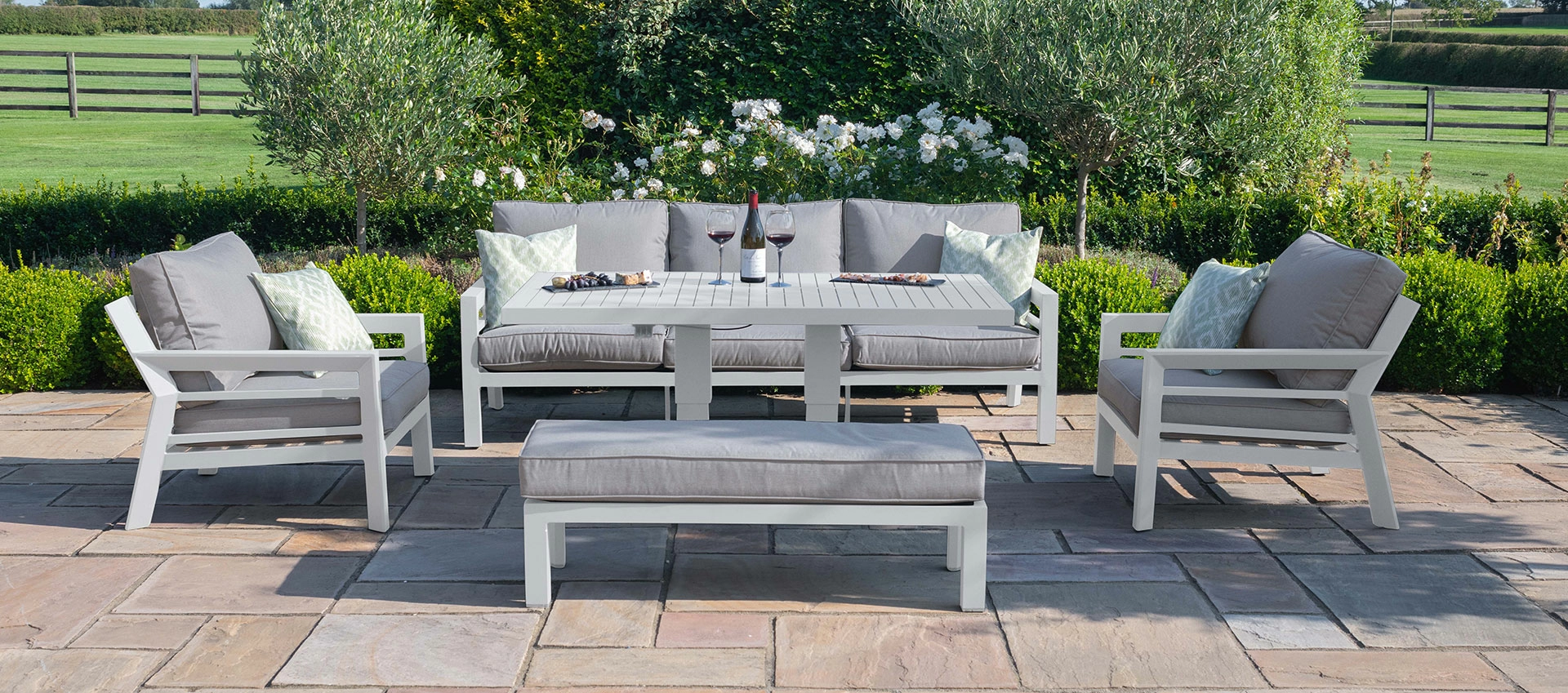
How do I keep outdoor furniture from getting blown away during windy weather?
Preventing outdoor furniture from getting blown away during windy weather requires taking certain precautions to secure the furniture and minimize the risk of damage or displacement. Here are some effective methods:
1. Choose Heavy and Sturdy Furniture:
Opt for outdoor furniture that is heavy and sturdy. Furniture with a solid construction and a low center of gravity is less likely to be blown away by strong winds. Materials such as cast iron or solid wood can provide better stability.
2. Anchor the Furniture:
Secure the furniture to the ground or a fixed structure using anchors or tie-downs. Anchoring systems, such as straps, cables, or stakes, can be attached to the furniture and anchored to the ground or nearby structures to prevent movement or tipping over.
3. Use Sandbags or Weights:
Place sandbags or weights on the base or legs of the furniture to add extra stability. The additional weight helps keep the furniture grounded and reduces the chances of it being blown away by strong winds.
4. Position Furniture Strategically:
Consider the placement of the furniture in your outdoor space. Position it in areas that are sheltered or surrounded by windbreaks, such as walls, fences, or trees. These natural barriers help reduce the impact of wind and provide some protection to the furniture.
5. Fold and Store:
If your outdoor furniture is foldable or collapsible, consider folding and storing it indoors or in a secure storage area during periods of strong winds. This eliminates the risk of damage and ensures the furniture remains intact.
6. Use Windproof Accessories:
Utilize windproof accessories designed specifically for outdoor furniture. These may include clips, straps, or fasteners that secure cushions, covers, or other removable parts of the furniture, preventing them from being blown away or displaced.
7. Store Removable Cushions and Accessories:
During windy weather, remove cushions, pillows, or other accessories from the outdoor furniture and store them indoors. Lightweight items are more susceptible to being blown away, and storing them safely prevents damage or loss.
8. Monitor Weather Forecasts:
Stay informed about weather conditions and forecasts in your area. If strong winds or severe weather are expected, take proactive measures to secure the outdoor furniture in advance.
9. Regular Maintenance:
Maintain your outdoor furniture regularly to ensure its stability and durability. Tighten any loose fittings, repair damaged parts, and replace worn-out components to keep the furniture in optimal condition.
By implementing these measures, you can significantly reduce the risk of outdoor furniture being blown away during windy weather, protecting your investment and ensuring the safety of your outdoor space.
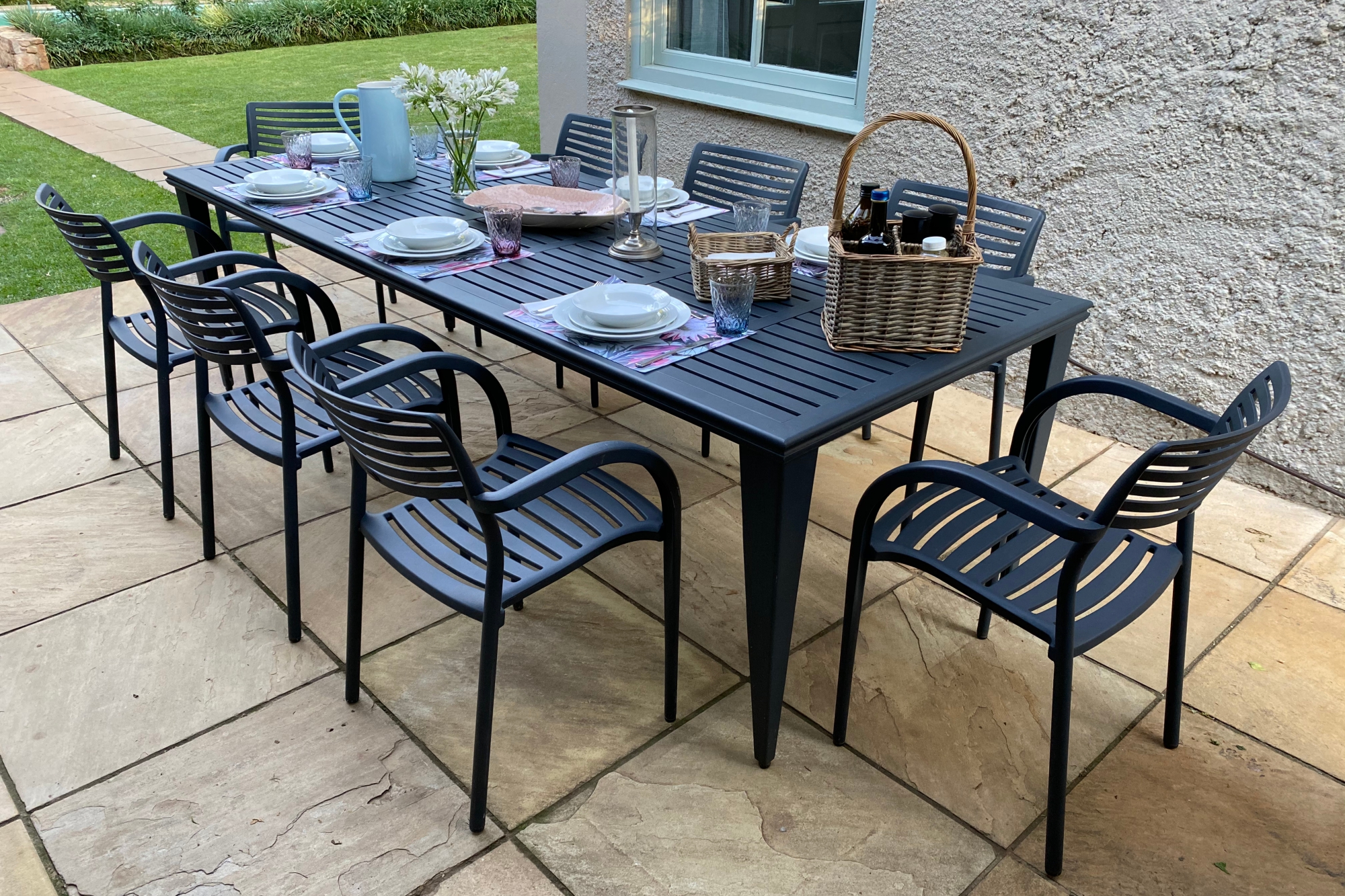
How do I choose the right size outdoor furniture for my space?
Choosing the right size outdoor furniture is crucial to ensure a comfortable and functional outdoor living space. Here are some steps to help you select the appropriate size:
1. Assess Your Space:
Measure the available space in your outdoor area to determine the dimensions you have to work with. Consider the overall layout, including any architectural features, existing structures, and natural elements like trees or slopes that may impact the placement and size of your furniture.
2. Determine the Purpose:
Decide how you plan to use your outdoor space. Will it be primarily for dining, lounging, or a combination of both? This will help determine the type and size of furniture you need.
3. Consider Traffic Flow:
Allow adequate space for people to move around and navigate comfortably. Consider pathways, entrances, and exits to ensure there is enough room for easy movement without feeling cramped.
4. Choose Appropriate Furniture Types:
Based on your space and intended use, select the types of outdoor furniture that best fit your needs. Common options include dining sets, lounge chairs, sofas, benches, and sectional seating arrangements.
5. Take Seat and Table Heights into Account:
Ensure that the seat height of chairs or sofas aligns with the table height for dining sets. This will ensure a comfortable and ergonomic seating arrangement.
6. Allow for Clearance:
Provide ample space around the furniture for easy movement and to avoid feeling cramped. Allow around 18-24 inches of clearance behind chairs for easy access and movement.
7. Consider Scale and Proportion:
Choose furniture that is proportionate to the size of your outdoor space. Oversized furniture can make a small space feel crowded, while undersized furniture may look out of place in a large area.
8. Test and Visualize:
If possible, arrange a mock layout using cardboard or tape to visualize how the furniture will fit in your space. This can help you assess the scale, proportion, and flow before making a final decision.
9. Read Product Specifications:
Pay attention to the dimensions provided by furniture manufacturers. Check the measurements of each piece to ensure it will fit comfortably in your space.
By carefully considering the size, layout, and purpose of your outdoor area, you can choose furniture that fits well and maximizes the functionality and aesthetics of your space.
What are the different types of outdoor furniture, such as dining sets and loungers?
Outdoor furniture comes in various types and styles to suit different needs and preferences. Here are some common types of outdoor furniture:
1. Dining Sets: Outdoor dining sets typically consist of a table and chairs designed for outdoor dining. They come in various sizes and materials such as wood, metal, or wicker. Dining sets are ideal for enjoying meals with family and friends in your outdoor space.
2. Loungers and Chaise Lounge: Loungers and chaise lounges are designed for relaxation and sunbathing. They often feature adjustable backrests and can be made from materials like wood, aluminum, or wicker. These pieces are perfect for sunbathing, reading, or taking a nap outdoors.
3. Outdoor Sofas and Sectionals: Outdoor sofas and sectionals provide comfortable seating for lounging and socializing in your outdoor space. They are available in various sizes and configurations, allowing you to customize your seating arrangement. Outdoor sofas and sectionals can be made from materials such as wicker, aluminum, or teak.
4. Outdoor Chairs and Benches: Outdoor chairs and benches are versatile seating options for your outdoor space. They come in different styles, including Adirondack chairs, rocking chairs, and benches. These pieces can be made from materials like wood, metal, or plastic.
5. Outdoor Tables: Outdoor tables are available in different shapes and sizes, including coffee tables, side tables, and accent tables. They can be made from materials such as wood, metal, or glass. Outdoor tables provide surfaces for placing drinks, snacks, or decor items.
6. Outdoor Umbrellas and Shade Structures: Outdoor umbrellas and shade structures offer protection from the sun and provide shade for your outdoor space. They come in various sizes and styles, including market umbrellas, cantilever umbrellas, and pergolas. These structures are often made from materials like aluminum, wood, or fabric.
7. Outdoor Storage: Outdoor storage solutions, such as storage benches or cabinets, are designed to store cushions, pillows, gardening tools, and other outdoor accessories. They provide a convenient storage option while keeping your outdoor space organized.
8. Swings and Hammocks: Swings and hammocks offer a relaxing and playful element to your outdoor space. They come in different designs, including porch swings, hanging hammock chairs, and freestanding hammocks. These pieces are perfect for unwinding and enjoying gentle rocking motions.
These are just a few examples of the different types of outdoor furniture available. When selecting outdoor furniture, consider your space, intended use, and personal preferences to choose the pieces that best suit your needs and style.
editor by CX 2023-11-07